












Why Your Tumble Dryer Takes Too Long to Dry Clothes
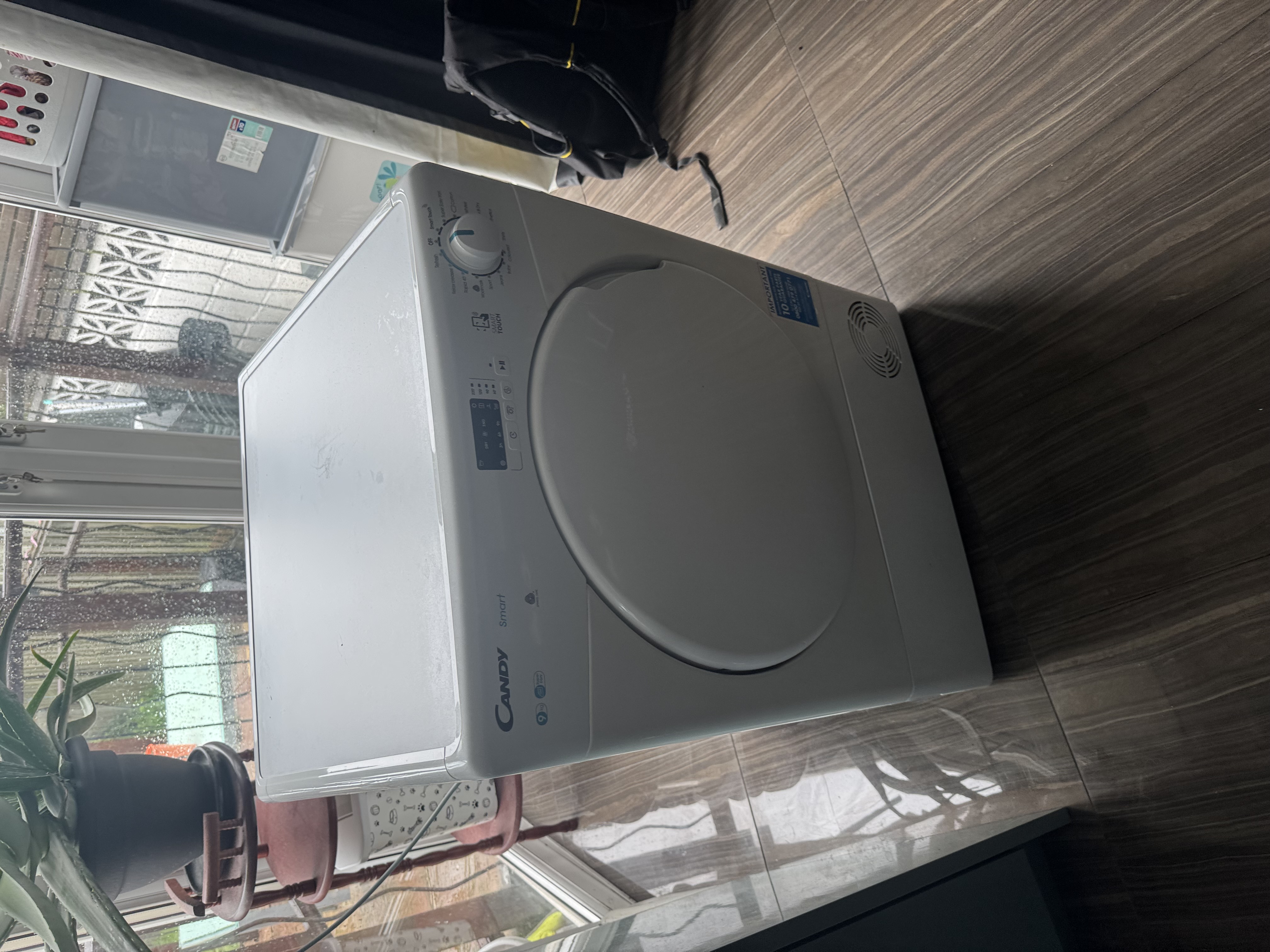
When a tumble dryer starts taking too long to dry, the load comes out warm and still damp, and you find yourself running a second cycle just to finish the job. It's frustrating, it wastes energy, and it usually points to one thing: the dryer isn't moving air the way it should. The good news is that a tumble dryer taking too long to dry is often down to maintenance you can sort out yourself in a few minutes.
Below we'll walk through the most common culprits, in the order worth checking, and explain where the problem needs an engineer rather than a screwdriver and a cloth.
How a tumble dryer actually dries
Almost everything that slows a dryer down comes back to airflow. Warm air is drawn over your clothes, picks up the moisture, and is then either vented away or condensed and collected. If anything restricts that flow of air, the machine has to work much harder and run far longer to get the same result. Lint is the usual offender, and it builds up in more than one place.
Start with the lint filter
Every tumble dryer has some form of lint filter inside it, and it's the first thing to check. Lint comes off your clothes during the cycle, and the filter catches it before it can clog up the rest of the machine.
Ideally the filter should be cleared after every single cycle. It only takes a moment, and skipping it is the single most common reason a dryer gradually gets slower and slower over time. A filter that looks fine at a glance can still be choked: the fine pores in the mesh trap a thin film of lint that you can barely see.
To check it properly:
- Remove the filter and pull away any visible layer of lint by hand.
- Hold it under running water and lightly scrub it clean. This clears the fine pores that a dry wipe leaves behind.
- Once it's dry, gently blow onto the filter. If you can feel the air coming out the other side, that's a good sign it's clear and air can pass through freely.
If air won't pass through the filter, it won't pass over the rest of the machine either, and drying times climb.
When the filter warning won't clear
Many modern dryers have a symbol on the control panel that lights up when the filter needs cleaning, and on some machines this is shown as an error code instead. Normally, clearing the filter makes it disappear. Sometimes it doesn't, and that's where people get stuck.
Most condenser dryers have a small airflow sensor towards the bottom of the filter housing. Air has to be able to pass through the filter and over this sensor for the machine to register that all is well. There are two things that trip it up:
- Blocked filter pores. If the fine pores are clogged, no air flows over the sensor, which can trigger the warning even though the filter looks clean. The running-water clean above fixes this.
- A coated sensor. Lint can work its way past the filter and start to coat the sensor itself. This causes an electronic error and leaves the machine thinking the sensor is blocked.
To check the sensor, remove the filter and look down into the filter location. The sensor will be visible. Cleaning it will often clear the warning on the front of the machine straight away. We cover this in more detail in our guide on maintaining a condenser tumble dryer.
Check the condenser
On a condenser dryer, the condenser unit is the part that turns the warm, moist air back into water so it can be collected. Over time it gathers a layer of fluff that restricts airflow in exactly the same way a blocked filter does, and the result is the same: longer cycles and damp clothes. It's well worth cleaning as part of your routine maintenance. Our condenser dryer maintenance guide explains how to keep it clear.
While you're at it, make sure the water container is emptying and seating properly. A container that isn't draining or sitting correctly can interfere with how the machine runs. We've covered this in tumble dryer water container faults and how to avoid them.
Don't overload the drum
It's tempting to cram a full wash into the dryer in one go, but an overloaded drum leaves the clothes no room to tumble. Warm air can't circulate around a packed load, so the moisture has nowhere to go and the cycle drags on. If you've been drying big or heavy loads and noticing slow results, try splitting them and see whether the time improves.
When it's time to call an engineer
If you've thoroughly cleaned the lint filter, washed out its fine pores, cleared the airflow sensor and checked the condenser, and your dryer is still taking too long to dry, the problem is likely to be electrical or mechanical rather than maintenance. Heating elements and sensors do fail, and these need testing and replacing by someone who knows what they're looking at. Before doing any work yourself, it's always worth reading how to safely isolate an appliance before a DIY repair.
That's where we come in. Our engineers repair tumble dryers of any make, and we'll quote you a service charge up front that covers all the labour, the callout and VAT where it applies. If parts are needed we'll quote those separately before any work goes ahead, with no extra labour charge on top. Every repair is guaranteed under our terms and conditions.
You can book an engineer visit using the Book A Repair button on our website, or call us on 0333 016 9622. If you'd like to check we cover you first, take a look at our service areas or get in touch. We offer same and next day repairs, with no hidden charges, from a family run business that's been fixing appliances for years.
- tumble dryer
- drying time
- troubleshooting
- airflow
- maintenance
Rather leave it to us?
- Fixed-price quote before any work starts
- Same or next-day visits where available
- UK-wide engineer coverage