












Condenser vs Vented vs Heat Pump Dryers Explained
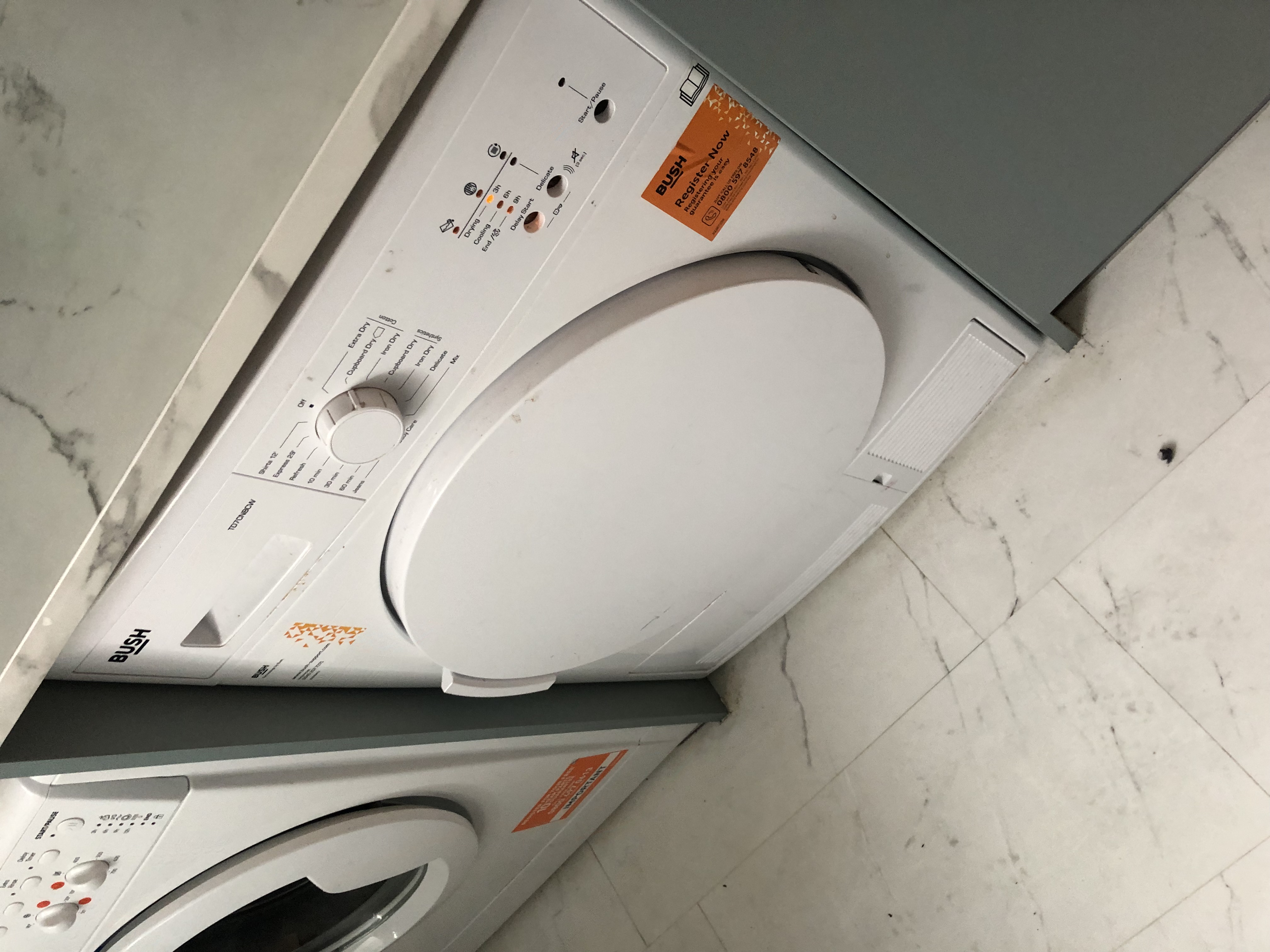
Buying a new tumble dryer, or trying to work out which type already sits in your utility room? The condenser vs vented vs heat pump tumble dryer question trips up a lot of people, mainly because all three do the same job (dry your clothes) but get rid of the moisture in very different ways. That difference matters. It changes where you can put the machine, how much maintenance you'll do, and even why your dryer might suddenly start blowing out cold air.
Here's a clear, plain-English breakdown of how each type works and what each one asks of you.
The one thing that separates all three: moisture
Drying clothes pulls a surprising amount of water out of the fabric. Every dryer has to deal with that water somehow, and the way it does it is the single biggest difference between the three designs.
- Vented dryers push the warm, damp air out of the machine and away from your home through a hose.
- Condenser dryers turn that damp air back into water and collect it in a removable tray.
- Heat pump dryers also condense the moisture into a tray, but they recycle the heat instead of throwing it away.
Once you understand that, the rest of the comparison falls into place.
Vented tumble dryers
A vented dryer is the traditional design. It heats air, blows it through the drum to lift moisture out of your washing, then expels that hot, humid air through a flexible hose. The hose usually pokes out of a window, through a wall, or into a vent kit.
What that means in practice:
- The machine needs to sit somewhere it can vent to the outside, or you'll end up pumping damp air into the room.
- There's no water tank to empty, because the moisture leaves with the air.
- The hose itself needs to stay clear and kink-free so the air can actually escape.
If you've got an outside wall to work with and don't want to think about emptying a tray, a vented dryer keeps life simple. The trade-off is flexibility: you're tied to wherever the hose can reach.
Condenser tumble dryers
A condenser dryer keeps everything inside. Instead of venting damp air outside, it cools that air down so the moisture turns back into water, then stores the water in a collection tray you empty by hand. That's why you can stand a condenser dryer almost anywhere, including a spare room or a cupboard, without worrying about a hose.
The trade-off is the bit you have to remember: the water has to go somewhere, and that somewhere is the tray.
Where the water collection tray sits
On most condenser dryers, the water collection tray lives in a similar spot to the detergent dispenser on a washing machine, usually near the top of the front panel. A few things to know about it:
- It's quite long.
- It can be heavy once it fills with water.
- There's nothing inside to stop the water sloshing about as you carry it.
When it fills up, a light or symbol normally appears on the front of the machine to tell you it needs emptying.
How to empty it safely
It sounds obvious, but the weight and the loose water catch people out, so take it steady:
- Support both ends of the tray as you lift it out, because it can be heavy when full and the water will move around inside.
- Carry it to the sink.
- Turn it upside down.
- Let the water drain out naturally.
Slot it back in and you're done. For a fuller routine, our guide on how to maintain a condenser tumble dryer walks through the rest of the care it needs, and we've covered the common tumble dryer water container faults in detail too.
The cold-air trap nobody warns you about
Here's the catch with condenser (and heat pump) dryers that confuses a lot of owners. When that full-tray indicator light appears, the heating element switches off automatically, but the rest of the machine carries on running. The drum still turns, the fan still blows, and from across the room it looks like the dryer is working perfectly normally.
It isn't. It's just pushing cold air around, so your clothes come out damp at the end of the cycle.
If your dryer seems like it isn't heating properly, or you can't work out what an indicator light is trying to tell you, empty the water collection tray first. Nine times out of ten that's all it is.
When the light is on but the tray is empty
If the full-tray warning keeps showing even though you've just emptied the tray, that points to something more involved, usually a fault in the pump area of the appliance. That's not a DIY job. Get an engineer to look at it, and our team can book you a repair and sort it out properly.
Heat pump tumble dryers
A heat pump dryer is the newer, more efficient cousin of the condenser. It works on the same principle of condensing moisture out of the air and collecting it in a tray, but instead of dumping the heat after a single pass, it recovers that warmth and reuses it to dry the next batch of air. That's where the energy savings come from.
From a day-to-day point of view, a heat pump dryer behaves a lot like a condenser:
- You still empty a water collection tray (and many models can be plumbed to drain instead).
- It doesn't need a vent hose, so placement is flexible.
- The same full-tray rule applies: ignore the indicator and you'll get cold-air, damp-washing results.
Heat pump models tend to run at lower temperatures and take their time, which is gentler on clothes but means cycles can feel longer than a fierce vented dryer.
Quick comparison
| Vented | Condenser | Heat pump | |
|---|---|---|---|
| How it removes moisture | Blows damp air outside via a hose | Condenses moisture into a removable tray | Condenses moisture into a tray and reuses the heat |
| Water tank to empty | No | Yes | Yes (or plumb to drain) |
| Needs an external vent | Yes | No | No |
| Placement | Tied to an outside route | Flexible | Flexible |
| Main maintenance | Keep the hose clear | Empty the tray, clean the filters | Empty the tray, clean the filters |
Which type is right for you?
There's no single best answer, it depends on your home:
- If you have an easy route to an outside wall and want the simplest setup, a vented dryer fits the bill.
- If you can't vent outside or want to put the dryer in a cupboard or spare room, a condenser model gives you that freedom, as long as you're happy to empty the tray.
- If running costs and efficiency are your priority and you don't mind longer cycles, a heat pump dryer is the one to look at.
Whatever you have, the golden rule for the condenser and heat pump types is the same: keep an eye on that water collection tray. An empty tray and a clean filter prevent most of the "my dryer isn't heating" calls we get.
Dryer not drying? We can help
If you've emptied the tray, checked the filter and your dryer is still leaving clothes damp, or the full-tray light won't clear, there's likely a fault worth a proper look. NAC repairs tumble dryers of any make, and we'll quote a service charge up front that covers all the labour, the callout and VAT where it applies. The only extra is parts if they're needed, and we'll always quote those separately before doing the work. Repairs come with a guarantee under our terms and conditions.
NAC (Domestic Appliances) Ltd is a husband and wife team, Adrian and Amanda, with over 40 years of experience between them. Give us a call on 0333 016 9622 or book a repair online and we'll get your dryer heating properly again.
- tumble dryer
- condenser
- heat pump
- vented
- buying guide
Rather leave it to us?
- Fixed-price quote before any work starts
- Same or next-day visits where available
- UK-wide engineer coverage