












Can You Reuse Tumble Dryer Condenser Water? Safe Disposal
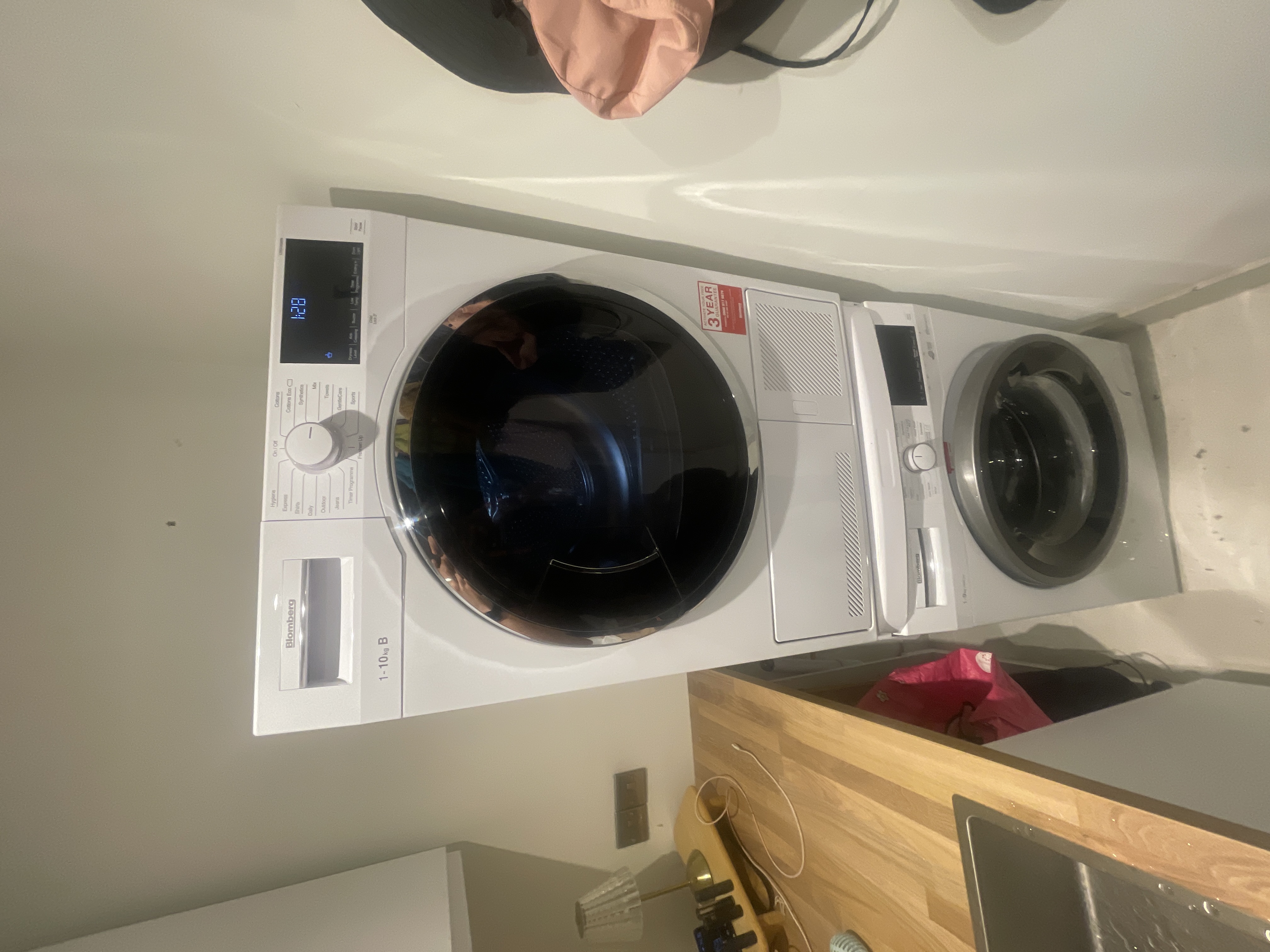
Every drying cycle pulls moisture out of your laundry and collects it in the water container, so it's natural to look at that full tank and wonder whether you can put it to good use rather than tipping it down the sink. Can you reuse tumble dryer water? The short, honest answer is that it isn't as clean as it looks, and there are a few things worth knowing before you pour it on the garden or top up the iron.
Here's a practical guide to what the water actually is, the sensible way to dispose of it, and the maintenance habits that keep a condenser dryer heating properly.
What is the water in a condenser dryer?
A condenser tumble dryer doesn't vent warm, damp air outside through a hose. Instead it cools the air, condenses the moisture back into liquid, and collects it in a removable tray. In most machines, that water collection tray sits in a similar place to the detergent dispenser on a washing machine, usually near the top of the appliance.
The tray itself is worth understanding before you handle it:
- It's quite long.
- It can be surprisingly heavy once it's full.
- There's nothing inside to stop the water sloshing about as you carry it.
That combination catches a lot of people out, which is exactly why so many spills happen on the short walk to the sink.
Can you reuse the water?
This is the question we get asked most by eco-minded households, and it deserves a straight answer. The water collected by a condenser dryer is essentially condensed moisture from your laundry, so it has picked up tiny amounts of lint, fibres and traces of whatever was left in the fabric, such as detergent or fabric softener residue. It isn't filtered or purified in any way.
With that in mind:
- Don't drink it or use it for anything food related. It is not clean, treated water.
- Be cautious with houseplants and the garden. Detergent and softener residues aren't ideal for plants, so it's not the harmless rainwater substitute it might appear to be.
- Think twice about using it in a steam iron. Lint and residue can clog the iron's vents over time, so it can cause more problems than it solves.
If you'd rather not pour clean-looking water away, the safest reuse is for jobs where purity doesn't matter, like rinsing out a mop bucket or washing down an outside drain. For most people, though, the simplest option is to dispose of it down the sink.
How to empty and dispose of it safely
Because the tray is long, heavy and full of moving water, a careful technique saves you a soaking and a wet floor:
- Support both ends of the tray as you lift it out, rather than gripping it in the middle.
- Carry it to the sink, keeping it level so the water doesn't surge to one side.
- Turn it upside down over the sink.
- Let the water drain out naturally.
Do this regularly and you'll avoid the tray overfilling, which brings us to the part that actually affects how well your dryer works.
Why the full water indicator matters
When the water collection tray fills up, most machines show a light or symbol on the front to tell you it needs emptying. It's easy to ignore, but it does more than just remind you.
When that indicator comes on, the heating element is automatically switched off while the rest of the machine keeps running. The drum turns, the fan blows, and everything sounds normal, but the dryer is simply pushing out cold air. Your laundry comes out the cycle still damp, and it's easy to assume the heater has failed.
So if your dryer suddenly seems like it isn't heating properly, or you're not sure what the indicator light is telling you, the first thing to do is empty the water collection tray. More often than not, that restores normal heating straight away.
When it's a fault for an engineer
There is one situation that points to a genuine problem. If the indicator light is on but the water collection tray is empty, the dryer thinks the tray is full when it isn't. That usually suggests a fault in the pump area of the appliance, which moves the condensed water into the tray.
That's not a job to keep guessing at. A pump fault needs diagnosing properly, and it's worth getting an engineer to look at it before the machine sits unused. Our tumble dryer water container maintenance guide goes into more detail on keeping the tray and surrounding parts in good order, and our wider guide to maintaining a condenser tumble dryer covers the other checks that keep drying times sensible.
Get your dryer fixed by NAC
If you've emptied the tray and the indicator light won't clear, or the dryer still blows cold, NAC can put it right. We repair condenser tumble dryers of every make, and we quote a service charge before an engineer attends that covers all the labour, the callout and VAT where it applies. If any parts are needed, we'll quote those separately before doing the work, and there's no extra labour charge on top. Every repair comes with a guarantee, with the length depending on the parts fitted under our terms and conditions.
We're a family run business with over 40 years of experience between us, and we aim to send an engineer the same day you report the fault, or the next day where we can.
To book, use the Book A Repair button on our website or get in touch with us here. You can also call the team on 0333 016 9622.
- tumble dryer
- condenser water
- reuse
- eco tips
Rather leave it to us?
- Fixed-price quote before any work starts
- Same or next-day visits where available
- UK-wide engineer coverage