












Tumble Dryer Water Container: Faults and Maintenance
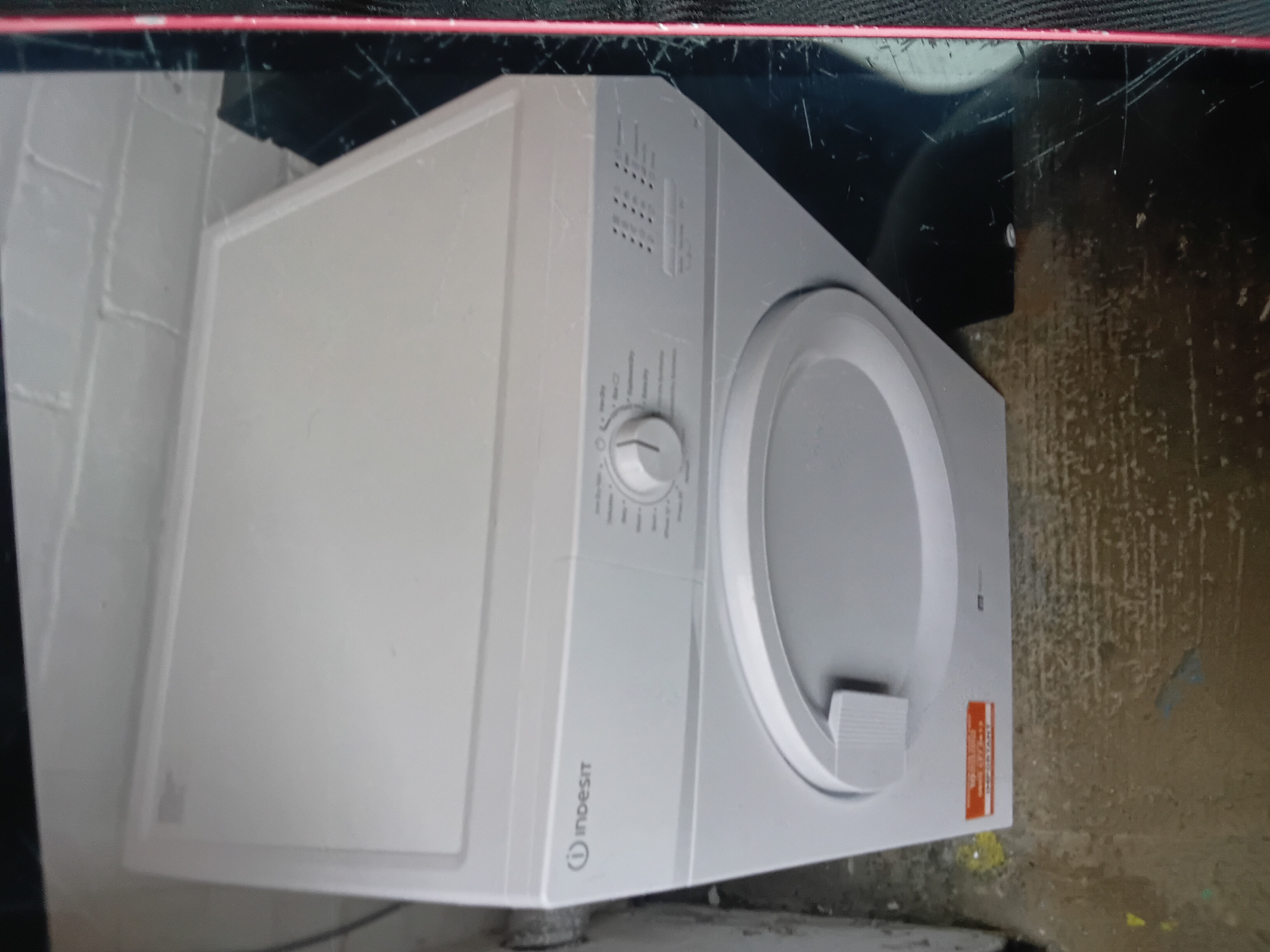
If your tumble dryer keeps stopping mid-cycle, flashes a tank warning or simply won't dry your washing properly, the water container is one of the first things worth checking. It's a small job that's easy to overlook, and a neglected container is behind a surprising number of common dryer faults.
This guide explains where the water collection tray sits, why a full or dirty container can interrupt the cycle, and how to keep it clean so your dryer keeps running as it should.
Why a condenser dryer has a water container
A condenser tumble dryer doesn't vent warm, damp air outside through a hose. Instead, it draws the moisture out of your clothes, condenses it back into water, and collects that water in a removable container inside the machine. Every load you dry adds more water to that tank, so it needs emptying regularly.
In most cases the water collection tray is located in a similar place to the detergent dispenser on a washing machine, usually a pull-out drawer or tray towards the top of the front panel. Some models position it at the base instead, so it's worth checking your machine if you're not sure where yours lives.
Why a full or dirty container stops the dryer
Most condenser dryers are designed to pause or refuse to start once the container is full. It's a deliberate safety feature: if the machine kept running with nowhere to store the condensed water, it would overflow. So when the tank reaches capacity, the dryer typically stops and shows a warning light or message telling you to empty it.
The trouble starts when the container isn't emptied often enough, or when it gets dirty. A few things can happen:
- The dryer cuts out before your clothes are dry, leaving you with a damp load.
- The cycle won't start at all until the tank is dealt with.
- Lint, fluff and residue build up in the container and around the level sensor, so the machine misreads how full it actually is.
That last point is the one people miss. Many dryers use a float or level sensor to detect when the container is full. If fluff and grime coat that sensor, it can wrongly tell the dryer the tank is full even when it isn't, stopping the cycle for no obvious reason. Keeping the container clean keeps the sensor reading accurately.
How to empty and clean the water container
Getting into a good habit here prevents most of the faults above. Here's the routine to follow.
- Empty it after every load (or at least every couple of loads). Slide the container out gently, tip the water down the sink, and slot it firmly back into place. If it isn't seated properly, the dryer may not run.
- Rinse it out regularly. Every so often, give the container a rinse with warm water to clear away the film of lint and residue that collects in the bottom over time.
- Check the sensor area. Wipe around the float or level sensor with a damp cloth so it can move freely and read the water level correctly. Don't use anything abrasive.
- Look at the inlet and outlet. Make sure the points where water enters and drains from the container aren't clogged with fluff, as a blockage here can cause water to back up.
- Dry the seal and slot. A quick wipe of the housing the container sits in keeps grime from building up where the tank meets the machine.
A clean, properly seated container that's emptied regularly is the simplest way to avoid mid-cycle stops and damp washing.
Before you do any deeper checks
If you ever need to go further than emptying and rinsing the container, switch the dryer off and unplug it at the wall first. Our guide on how to safely isolate an appliance before a DIY repair walks you through doing this properly.
When to call an engineer
If you've emptied and cleaned the container, made sure it's seated correctly and cleared away any fluff around the sensor, but the dryer still stops, shows a full-tank warning or won't dry your clothes, the fault is likely deeper than routine maintenance. A faulty level sensor, a blocked drainage route or a problem with the pump can all produce the same symptoms, and these need diagnosing properly.
That's where we come in. NAC engineers repair tumble dryers of every make, whether it's running cold, making a grinding noise, the drum isn't spinning or it keeps cutting out. Stop hanging washing on the radiators and get it sorted with a low-cost repair.
We quote a service charge before an engineer attends, which covers all labour, the callout and VAT where it applies. The only extra is for parts if any are needed, and we'll always quote those separately and get your go-ahead before any work is carried out. There's no additional labour charge on top. Every repair is guaranteed, with the length depending on the parts fitted and covered under our terms and conditions.
You can book using the Book A Repair button on our website, or call our team on 0333 016 9622. Take a look at our tumble dryer repair service or check whether we cover your area.
NAC is a family-run business (husband and wife team Adrian and Amanda, with over 40 years of experience between them), and we aim to send an engineer the same day you report the fault, or the next day wherever possible. No hidden charges, all costs made clear in advance.
- tumble dryer
- condenser
- water container
- maintenance
Rather leave it to us?
- Fixed-price quote before any work starts
- Same or next-day visits where available
- UK-wide engineer coverage