












Tumble Dryer Water Container Faults & How to Avoid Them
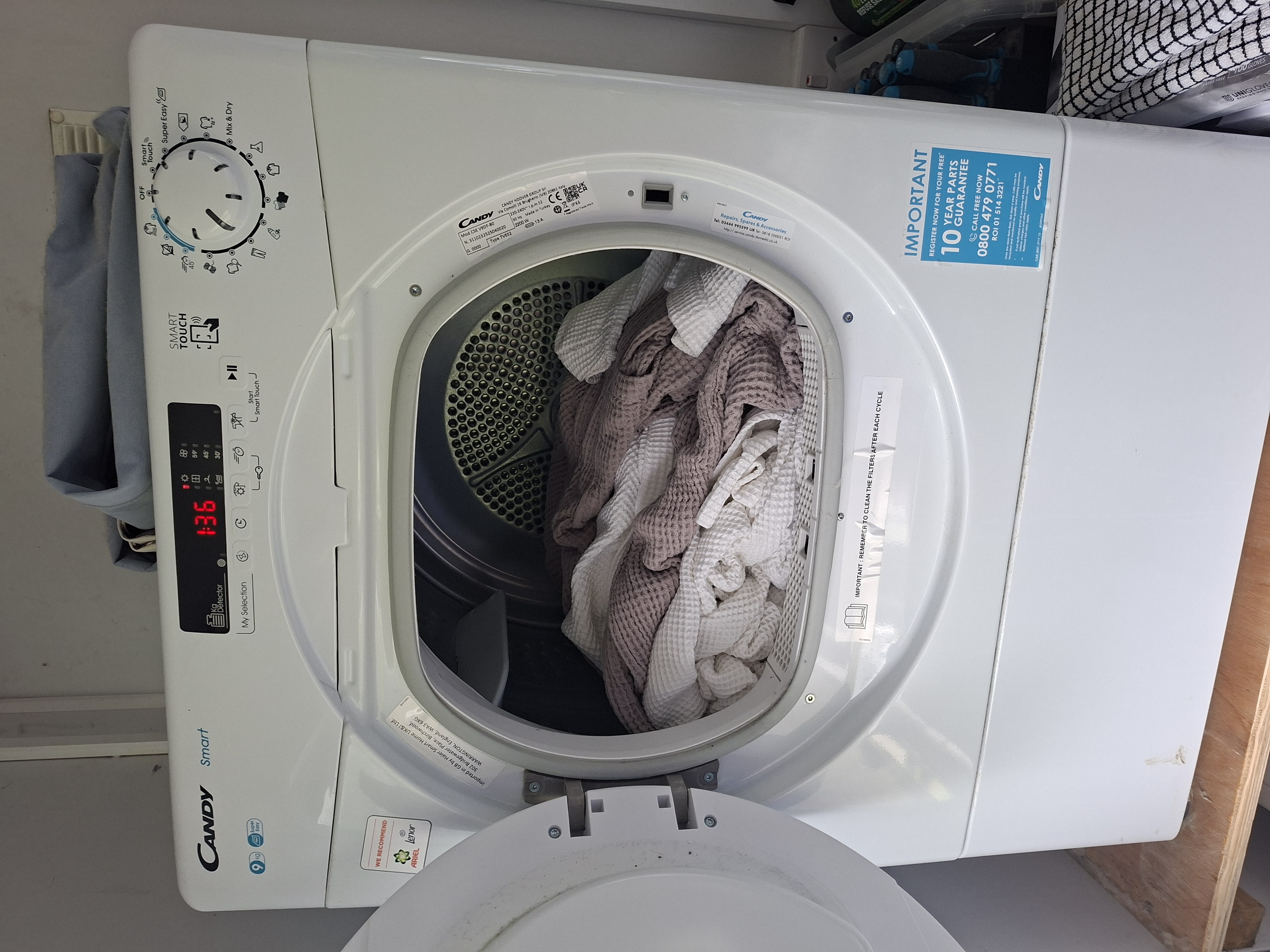
If your condenser tumble dryer keeps flashing an "empty water" message or stops part way through a cycle, the tumble dryer water container is usually the first thing to check. It's one of the most common reasons a perfectly good machine grinds to a halt, and the good news is that a lot of it comes down to simple maintenance you can do yourself.
Here's how the water container works, where to find it, how to keep it clean, and when a fault really does need an engineer.
Why a condenser dryer has a water container
Unlike a vented dryer, which pushes warm, damp air out through a hose, a condenser dryer pulls moisture out of your clothes and turns it back into water. That water has to go somewhere. On most machines it collects in a removable container (sometimes called the water tank, reservoir or collection tray) that you empty by hand.
If your dryer is plumbed in to a drain you may never touch the tank, but the majority of homes rely on emptying it manually. When it fills up and isn't emptied, the dryer stops to protect itself and warns you it needs attention.
Where the water container sits
The water collection tray is usually located in a similar place to the detergent dispenser drawer in a washing machine. On a lot of models that means a slim drawer or pull-out unit near the top of the appliance, often behind the control panel or just below it. Some manufacturers put it at the bottom instead, so if you can't find it near the top, check around the base.
If you're not sure on your particular model, your user manual will show the exact spot. The container slides out, much like a drawer, ready to be emptied at the sink.
How to empty and clean the water container
Getting into a good habit here prevents most of the faults people call us about. A quick routine looks like this:
- Empty it after every cycle. Don't wait for the warning light. A full tank during a long drying load is the single most common reason a cycle cuts out early.
- Pull the container out gently and tip the water away at a sink or down a drain.
- Give it a rinse now and then. Over time you can get a film, residue or even a slightly stale smell building up inside. Warm water and a little washing-up liquid sorts it out. Rinse thoroughly and let it drain.
- Check the seal and the channel it slides into. Wipe away any fluff or debris so the container seats back properly and the dryer can detect that it's in place.
- Slide it fully home. If it isn't pushed all the way back in, the dryer may behave as though it's missing or full.
Faults caused by neglecting the water container
Leave the tank too long and the problems start to stack up. The classic symptoms are:
- The dryer keeps saying "empty water" even though you've emptied it. Often this is fluff or limescale clogging the sensor area, or the container not sitting correctly after being put back.
- Cycles that stop early or won't finish. A full or poorly seated tank makes the machine pause to avoid overflowing.
- Damp clothes at the end of a cycle. If water can't drain into the container properly, moisture has nowhere to go.
- Leaks or pooling water around the machine. A cracked container, a blocked pathway or an overfilled tank can all let water escape where it shouldn't.
Most of these clear up with a proper clean and a check that everything is back in place correctly. Keeping the rest of the dryer maintained helps too, so empty the fluff filter regularly and, on machines that have one, clean the condenser unit as the manufacturer recommends.
When it's a sensor or pump fault for an engineer
Sometimes the basics are spotless and the dryer still won't play ball. That's usually a sign the problem has moved beyond simple maintenance.
Many condenser dryers use a small pump to move the collected water up into the container, plus a sensor or float switch that tells the machine when the tank is full or removed. If the pump fails, water doesn't reach the tank and you may still get an "empty water" warning with a bone-dry container. If the sensor sticks or fails, the dryer can insist the tank is full when it's empty, or never warn you at all.
It's worth booking a repair if:
- The "empty water" message stays on after a thorough clean and you're sure the container is seated correctly.
- You can hear the pump running but no water collects, or the pump doesn't run at all.
- Water is leaking inside the machine or onto the floor and you can't see an obvious cause.
- The dryer trips the electrics or smells of burning, in which case switch it off at the wall and don't use it.
These involve internal parts and electrical components, so they're not a safe DIY job. If you do want to take a look around any appliance first, read our guide on how to safely isolate an appliance before a DIY repair.
Get your tumble dryer sorted
Stop having to drape washing over radiators because of a fault you can't shift. If your condenser dryer is running cold, making a grinding noise, refusing to spin the drum or won't stop nagging about the water container, our engineers can help.
We quote a clear service charge before an engineer attends, covering all labour, the callout and VAT where it applies. The only possible extra is parts, and we always quote those separately for your approval before any work goes ahead, with no extra labour charge on top. Every repair comes with a guarantee, the length of which depends on the parts fitted and is set out in our terms and conditions.
We repair tumble dryers of every make and model. Take a look at the brands we repair, use the Book A Repair button on our website, or call us on 0333 016 9622. You can also reach us through our contact page and check our service areas to find help near you.
- tumble dryer
- condenser dryer
- water container
- maintenance
Rather leave it to us?
- Fixed-price quote before any work starts
- Same or next-day visits where available
- UK-wide engineer coverage