












Cut the Cost of Running Your Tumble Dryer
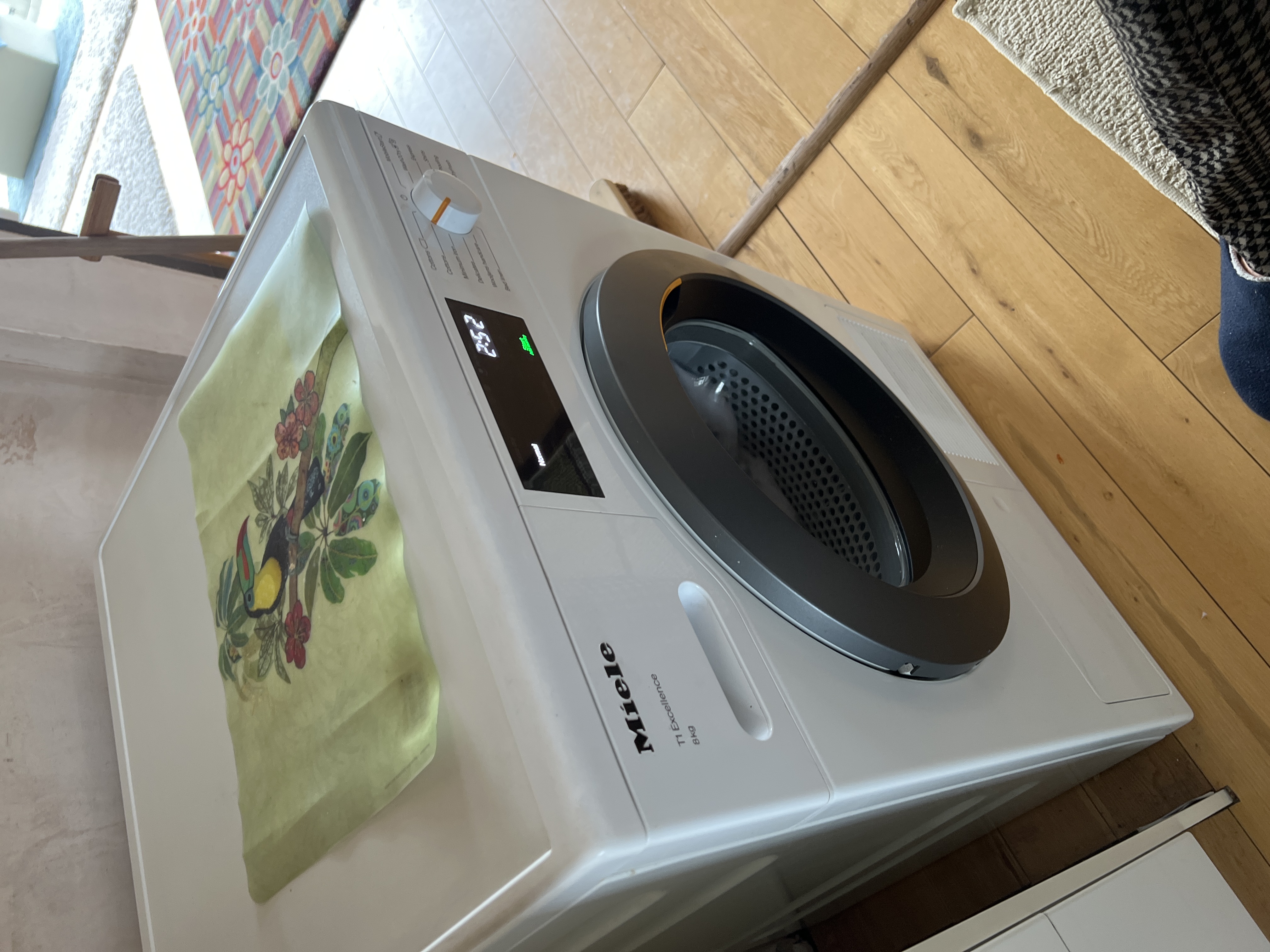
Tumble dryers are some of the thirstiest appliances in the house. They use a very high heating element, so they can be expensive to run at the best of times. The good news is that a big chunk of the bill comes down to how the machine is used and how well it's looked after, not just the machine itself. Get those right and you can bring your tumble dryer running cost down without spending a penny on a replacement.
Below are the practical changes that make the biggest difference, starting before the load even goes in the dryer.
Why tumble dryer running costs creep up
The single most expensive thing a dryer can do is run more than it needs to. If your machine is taking longer to dry than it used to, or you're having to run it two or three times to get a single load dry, that's where the money is going. Running the dryer several times for one load uses a large amount of energy, and that quietly adds up over a month.
Most of the time the cause isn't a broken machine. It's wet clothes going in, an overloaded drum, or a part that's clogged with lint. Sort those out and the heating element spends far less time switched on.
Spin your washing harder before it goes in
The dryer's job is to remove water, and removing water with heat is far more expensive than removing it with a spin. The wetter your washing is when it goes in, the longer (and pricier) the dry.
Before you reach for the dryer, run your washing machine on the highest spin speed the fabric allows. A faster final spin flings out a surprising amount of water, which means the dryer has much less work to do. It's the cheapest energy-saving step there is, because the washing machine has already done most of the lifting.
Don't overload the drum (and don't underload it either)
It's tempting to cram everything in for one big load, but a packed drum is a false economy. The warm air can't circulate around the items, so the load dries unevenly and the dryer runs on and on trying to finish the job.
Aim to give the clothes room to tumble freely. A drum that's comfortably loaded lets air move through everything and dries the whole lot in one go. Equally, drying a single towel on its own wastes the heat you're paying for, so try to dry sensible, similar loads together.
Use sensor drying instead of guessing on the timer
If your dryer has a sensor drying programme, use it. Sensor cycles detect when the load is actually dry and stop the machine, rather than running for a fixed time you've set by guesswork. Set a timer too long and you're heating clothes that are already dry. Set it too short and you're back to running a second cycle.
Grouping similar fabrics together helps the sensor work well, because mixing heavy towels with lightweight tops makes it hard for the machine to judge a single "done" point.
Keep the filter clean every time
The fluff filter is the part most people know about, and for good reason. Lint builds up fast, and a blocked filter chokes the airflow the dryer relies on to do its job. Clear it out before or after every load. It takes seconds and keeps drying times short. For the full routine, see our guide on the tumble dryer water container and maintenance.
The part everyone forgets: the condenser
If you've got a condenser dryer, here's the bit that catches most people out. The filter and the water tray are obvious, so they tend to get cleaned. The condenser, tucked away near the bottom of the machine, gets missed, and a lot of owners simply don't realise how often it needs attention.
Here's why it matters. Warm air passes through the filter and then through the condenser, travelling from the front of the machine towards the back. The condenser turns that moist warm air back into water. If the front of the condenser is clogged with lint, the air can't get through and can't be condensed, so the load takes far longer to dry. That means longer cycles, sometimes two or three in a row, and a much higher running cost.
As a rule, clean and maintain the condenser at least once a month.
How to check and clean the condenser
- Open the compartment at the front of the machine to reach the condenser. It's usually near the bottom and either folds down or opens on hinges.
- Look for clips holding the condenser in place. Move them to the unlocked position and pull the condensing unit out.
- To check for blockages, shine a torch at the front of the unit while you look down the back of it.
- To clear any blockages, use pressurised water. Water from your kitchen sink is fine. If your tap is tall enough, hold the back of the condensing unit underneath so the water flows towards the front. If not, an outside tap, a hosepipe or even a shower works well. The key is that the water runs from the back of the unit towards the front, pushing the lint out the way it came in.
- Slide the condenser back into the machine.
- Keep up this routine so the appliance carries on running efficiently.
For a deeper walkthrough, our guide to maintaining a condenser tumble dryer covers it step by step.
A quick running-cost checklist
- Spin washing on the fastest setting the fabric allows before it goes in.
- Load the drum so clothes can tumble freely, not crammed.
- Use sensor drying rather than over-running the timer.
- Clean the fluff filter every load.
- Empty and check the water tray.
- Clean the condenser at least once a month.
Do all of these and your dryer should dry a load first time, every time, which is exactly where the savings come from.
When it's not just maintenance
If you've cleared the filter, emptied the water tray, cleaned the condenser and you're still battling long drying times or repeat cycles, there may be an underlying fault rather than a blockage. At that point it's worth having it looked at before it costs you any more on the meter.
NAC engineers repair tumble dryers of any make. We'll quote a service charge upfront that covers all labour, the callout and VAT where it applies, and the only extra is for parts if any are needed, which we'll always quote separately before doing the work. Repairs come with a guarantee under our terms and conditions.
To book a visit, use the Book A Repair button on our website or get in touch with our team. It's a quick way to get an efficient, money-saving dryer back.
- tumble dryer
- energy saving
- running costs
- efficiency
Rather leave it to us?
- Fixed-price quote before any work starts
- Same or next-day visits where available
- UK-wide engineer coverage