












How to Maintain a Condenser Tumble Dryer
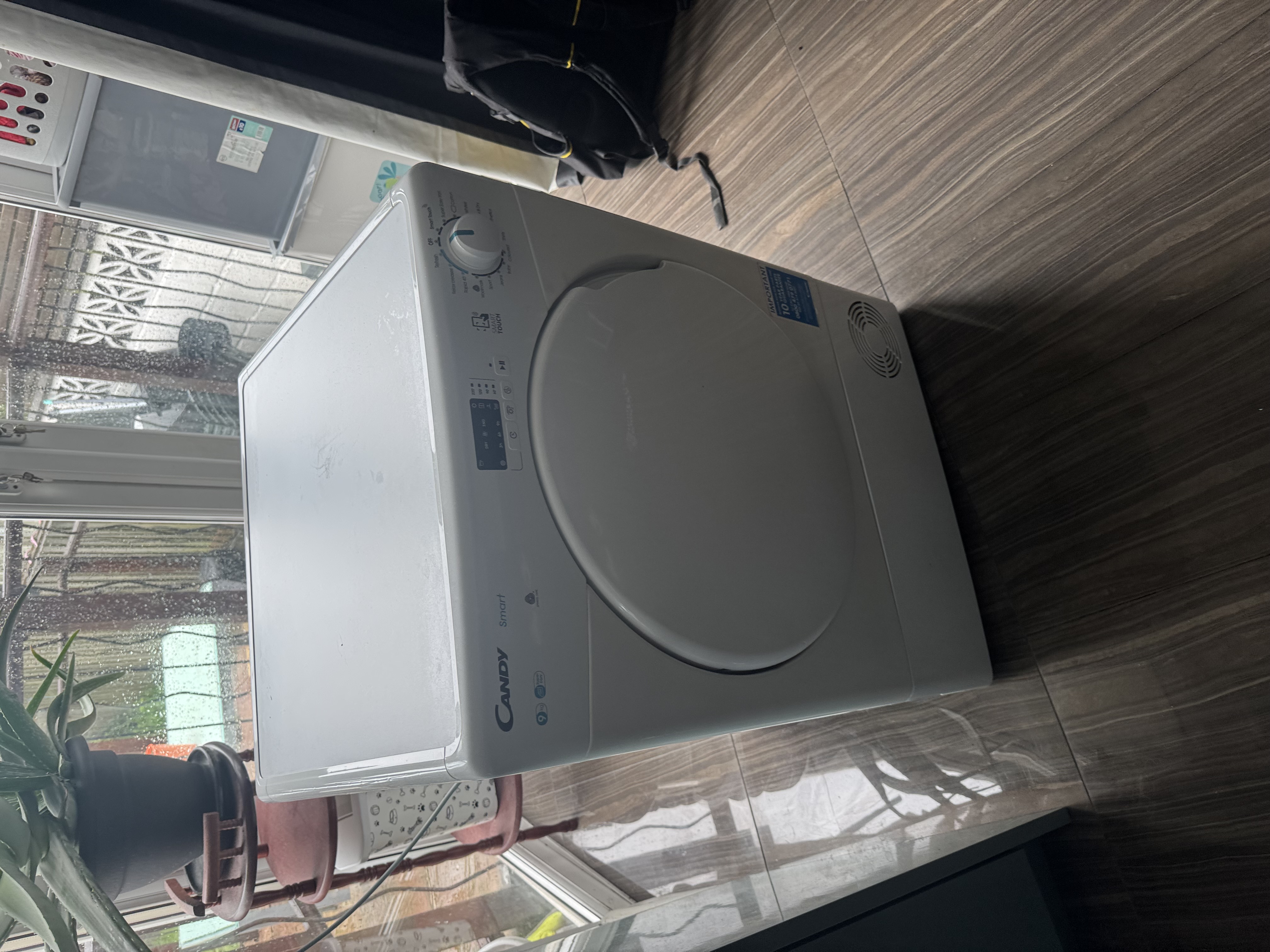
Condenser tumble dryers are brilliant when they're looked after, and frustrating when they're not. Unlike a vented model, a condenser dryer pulls the moisture out of your clothes and turns it back into water, which collects in a tank inside the machine. That clever bit of engineering only keeps working well if you stay on top of a few simple jobs. Good condenser tumble dryer maintenance is the difference between clothes coming out warm and dry in one cycle, and pulling them out damp after an hour and a half.
The good news is that most of the upkeep takes minutes and needs no tools. Here's exactly what to clean, how often, and the warning signs that tell you something needs attention.
Why condenser dryers need regular upkeep
Every load sheds fibres, fluff and bits of fabric. In a condenser dryer that lint has to go somewhere, and if it isn't cleared it clogs the filters and the condenser unit. Once airflow drops, the machine can't move warm, moist air through the drum efficiently. You end up with longer cycles, higher electricity bills and clothes that never quite dry. Left long enough, restricted airflow can also lead to the dryer overheating or cutting out mid-cycle.
A few minutes of cleaning after each use prevents the vast majority of these problems before they start.
Empty the water tank after every cycle
The water tank (sometimes called the condensate container) is where the moisture extracted from your laundry collects. Get into the habit of emptying it after every load, or at the very least before each new one.
- Slide the tank out, usually from the top or bottom front of the machine.
- Pour the collected water away down the sink.
- Wipe round the housing if there's any residue, then slide the tank fully back in until it clicks home.
If the tank fills up mid-cycle, most dryers stop and show a full tank warning until you empty it. Letting it sit full for long periods can also leave a stale, musty smell, so empty it promptly. If your dryer is plumbed to drain directly into a waste pipe, check that connection occasionally for kinks or blockages.
Clean the lint filter after every load
The fluff filter is the single most important part to keep clean, and it's the job people skip most. It usually sits in or just behind the door opening.
- Open the door and lift out the filter.
- Peel off the layer of fluff with your fingers. A surprising amount builds up in one cycle.
- For a deeper clean, rinse the filter under a warm tap, especially if you use fabric softener sheets, which can leave a fine waxy film that blocks the mesh.
- Let it dry completely before refitting. Putting a wet filter back can stop the dryer working properly.
Doing this every single time keeps airflow strong and drying times short. A clogged lint filter is the most common reason a dryer suddenly seems to take forever.
Clean the condenser unit regularly
Behind a flap or panel low down on the front of the machine sits the condenser itself, a block of fine metal or plastic fins that cool the warm air so the moisture turns back into water. Lint that gets past the main filter ends up here, and over time it clogs the fins and chokes the airflow.
Most manufacturers suggest cleaning the condenser unit roughly once a month, more often if you dry several loads a week. Always check your own model's handbook for the exact method, but the general approach is:
- Make sure the dryer is switched off and unplugged first. If you're unsure how to do this safely, our guide on how to safely isolate an appliance before a DIY repair walks you through it.
- Open the lower flap and release the locking levers or clips holding the condenser in place.
- Slide the condenser out carefully.
- Rinse it under running water until the water runs clear through the fins, or vacuum away loose fluff if your model is the self-cleaning type that shouldn't be rinsed.
- Let it drain and dry, then slide it back in and relock the clips fully. A condenser that isn't seated properly can cause leaks or poor drying.
While the condenser is out, wipe round the housing and clear any fluff from the seal and the recess.
Some newer dryers have an automatic self-cleaning condenser and don't need manual cleaning, but they still rely on a clean lint filter to work. Check which type you have before you start.
Don't forget the door seal and drum
Wipe the inside of the door and the rubber seal now and then with a damp cloth to lift off fluff and any softener residue. Give the drum a quick wipe too if you notice marks. Keeping these clean stops grime transferring onto clean washing.
Signs your condenser dryer needs attention
Keep an eye out for these, because they usually point to a maintenance issue rather than a fault:
- Clothes still damp at the end of a cycle. Almost always a blocked filter or condenser restricting airflow.
- Cycles taking much longer than they used to. The dryer is working harder to shift the same moisture.
- The machine feeling very hot, or cutting out mid-cycle. Restricted airflow can cause overheating.
- A musty or stale smell. Often a tank that's been left full, or trapped fluff holding moisture.
- Water pooling under or inside the machine. Check the condenser is seated correctly and the tank seals are clean.
Work through the cleaning steps above first. In a lot of cases that's all it takes to get drying performance back to normal.
When cleaning doesn't fix it
If you've emptied the tank, cleaned the filter and the condenser, and your dryer still runs cold, won't spin, makes a grinding noise or simply isn't drying, the problem is mechanical or electrical rather than a maintenance one. Worn elements, faulty thermostats, tired drum bearings and broken belts are all common on dryers and need a trained engineer to put right.
That's where we come in. NAC is a family-run business with over 40 years of experience repairing every make and type of appliance, including tumble dryer repairs. We quote a service charge before an engineer attends, which covers all the labour, the callout and VAT where it applies. The only possible extra is parts, and if any are needed we'll quote those separately before we do the work, with no further labour charge on top. Every repair is guaranteed, and we aim to get an engineer to you the same day or the next day wherever we can.
We repair all the major brands, from AEG, Beko and Bosch to Hotpoint, LG, Miele, Samsung, Siemens, Whirlpool and Zanussi.
Stop hanging damp washing on the radiators. Book a repair or call us on 0333 016 9622 and we'll get your dryer sorted.
- tumble dryer
- condenser
- maintenance
- efficiency
Rather leave it to us?
- Fixed-price quote before any work starts
- Same or next-day visits where available
- UK-wide engineer coverage