












Common Condenser Dryer Faults and When to Call an Engineer
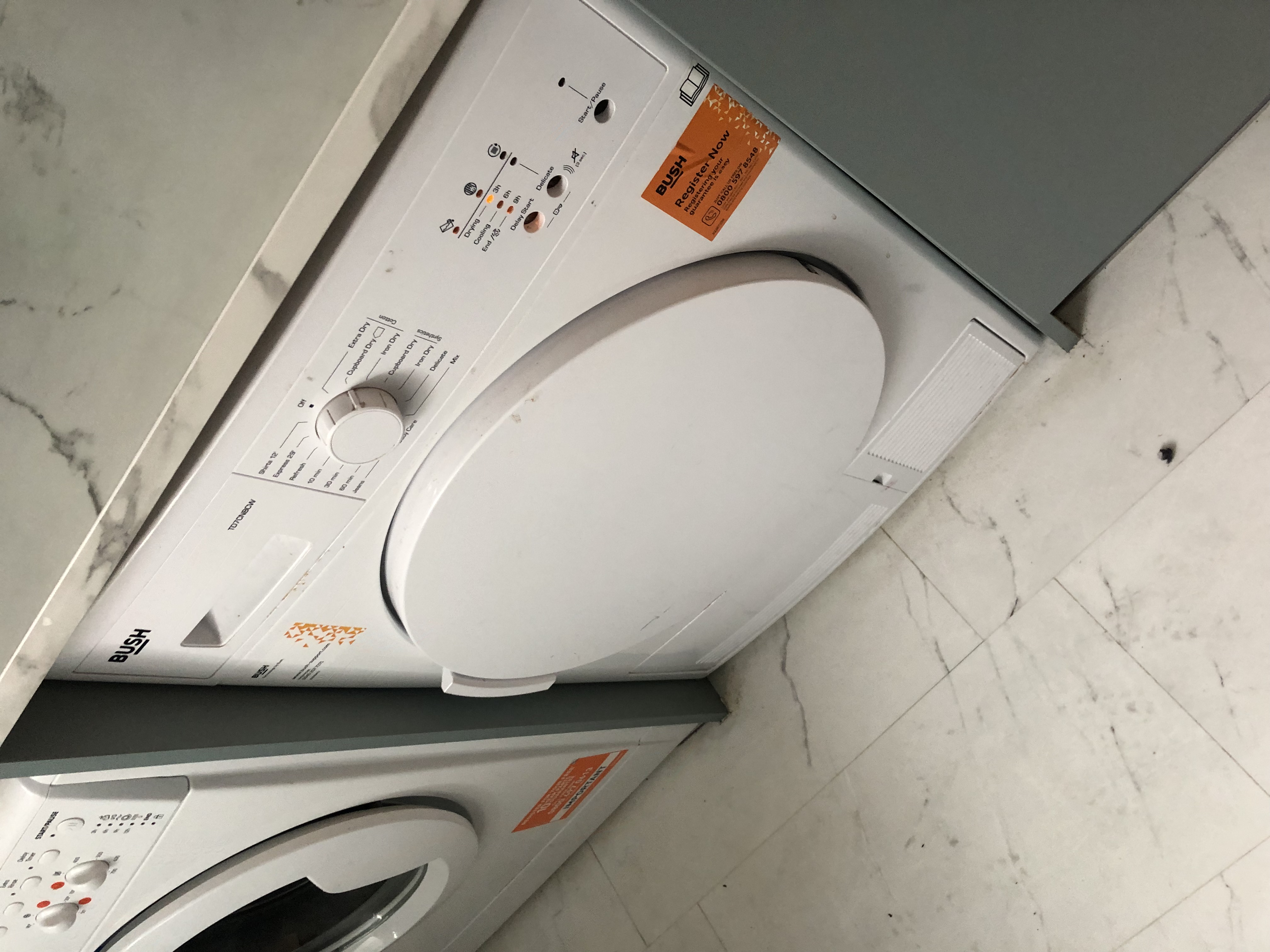
Condenser dryers are brilliant when they work well. No external venting, no hose trailing out of a window, just load, set and go. But like any appliance that handles heat and moisture, they pick up faults over time. The good news is that a fair few condenser dryer problems come down to maintenance you can sort yourself in a few minutes. Others point to a part that needs a qualified engineer.
This guide walks through the most common condenser dryer faults, shows you the quick fixes worth trying first, and explains when it's time to book a repair.
The most common complaint: a dryer that takes too long
If your dryer is taking far longer than it used to, or you're running it two or three times just to dry one load, the usual culprit is a blocked condenser unit. This sits near the bottom of the machine and quietly does a lot of work, which is exactly why it gets overlooked.
Most people are good at emptying the water tank and clearing the fluff filter. The condenser, tucked away behind a flap at the front, often gets forgotten for months. Over time lint packs into the front of it and chokes the airflow.
Why a blocked condenser stops your dryer drying
Here's what's happening inside. Warm air passes through the fluff filter, then has to travel through the condenser, moving from the front of the machine towards the back. The condenser's job is to cool that warm, damp air so the moisture turns back into water, which then drains into the tank.
When the front of the condenser is packed with lint, the warm air can't get through it. If the air can't pass through, it can't be condensed back into water, and your clothes stay damp. The machine ends up working harder and longer for a poorer result.
There's a cost to this too. Tumble dryers run a very high heating element, so they're expensive to run at the best of times. Running a single load two or three times burns through a lot of energy for nothing. Keeping the condenser clear is one of the easiest ways to keep running costs down.
How to check and clean the condenser
Aim to do this at least once a month. It only takes a few minutes and keeps the machine running efficiently.
- Open the condenser compartment. It's usually at the front of the machine near the bottom. Depending on the model it either folds downwards or swings open on hinges.
- Release the clips. There are often clips holding the condenser in place. Move them to the unlocked position, then pull the condensing unit out.
- Check for blockages. Look down the back of the unit while shining a torch at the front. If light barely comes through, it's blocked with lint.
- Flush it out with water. Use pressurised water to clear the blockage. Water from your kitchen tap works fine if the tap is tall enough to fit the back of the unit underneath, so the water flows towards the front. If it isn't, an outside tap, a hosepipe or even the shower will do the job. The key thing is to run the water from the back of the condensing unit towards the front, pushing the lint back out the way it came in.
- Refit the condenser. Slide it back into the machine and lock the clips again.
- Keep on top of it. A quick monthly clean stops the problem coming back and keeps the dryer efficient.
For a fuller walkthrough of looking after this part, see our guide on how to maintain a condenser tumble dryer.
Other condenser dryer faults and what they mean
Not every problem is a blocked condenser. Here's how to read the other common symptoms and decide whether it's a DIY job or one for an engineer.
Dryer running cold
If the drum is turning but the air coming out is cold and your washing stays damp, the dryer isn't heating. A blocked condenser and clogged filter can contribute, so clear those first. If the airflow is clear and it's still running cold, the heating element or a related component is likely at fault, and that needs a qualified engineer to test and replace.
Grinding or harsh noises
A grinding noise is never something to ignore. It usually points to a worn part inside the machine, and running it in that state risks more damage. Stop using the dryer and book an engineer to find the source before it gets worse.
Drum not spinning
If the dryer powers on but the drum won't turn, the cycle can't do anything useful. There are several possible causes inside the machine, and this is one to leave to an engineer rather than force.
Water tank not filling, or overflowing
With a condenser dryer, the moisture pulled from your clothes collects in the water container. If the tank never seems to fill, the condenser may be too blocked to turn the damp air back into water, so start with the condenser clean above. If the tank is overflowing, leaking or warning you it's full when it isn't, that's worth investigating separately. Our guide on tumble dryer water container faults covers what to check.
Warning lights showing
Many condenser dryers use a light to tell you the water tank needs emptying or the filter needs cleaning. Before assuming the worst, empty the tank, clean the fluff filter and clear the condenser, then run the machine again. If a warning light stays on after all that, the machine is flagging something it can't resolve on its own, and an engineer can read what's going on.
Quick fixes vs jobs for an engineer
Try these yourself first:
- Empty the water tank after every load
- Clean the fluff filter regularly
- Flush the condenser at least once a month
- Clear any tank-full or filter warning lights with the steps above
Call an engineer for these:
- Running cold after the airflow has been cleared
- Any grinding or unusual mechanical noise
- The drum not spinning
- Persistent water container leaks or faults
- Warning lights that won't clear after maintenance
If you'd rather not take anything apart, or you want to be sure it's done safely, it's also worth reading how to safely isolate an appliance before a DIY repair before you start.
When to book a NAC engineer
If you've worked through the advice here and your dryer is still playing up, it's time to get it looked at properly. Our engineers are fully trained across all the brands we cover and can diagnose the fault quickly.
We quote a clear service charge before an engineer attends, covering all labour, the callout and VAT where it applies. The only extra you might pay is for parts if any are needed, and we quote those separately for your approval before any work goes ahead. There's no additional labour charge on top. Every repair is guaranteed, with the exact length depending on the parts fitted (full details are in our terms and conditions).
To get your dryer sorted, use the Book A Repair button on our website or get in touch with the team. You can also call us on 0333 016 9622.
Related guides
- tumble dryer
- faults
- troubleshooting
- repair
- condenser
Rather leave it to us?
- Fixed-price quote before any work starts
- Same or next-day visits where available
- UK-wide engineer coverage