












How to Defrost a Freezer & Stop Ice Buildup
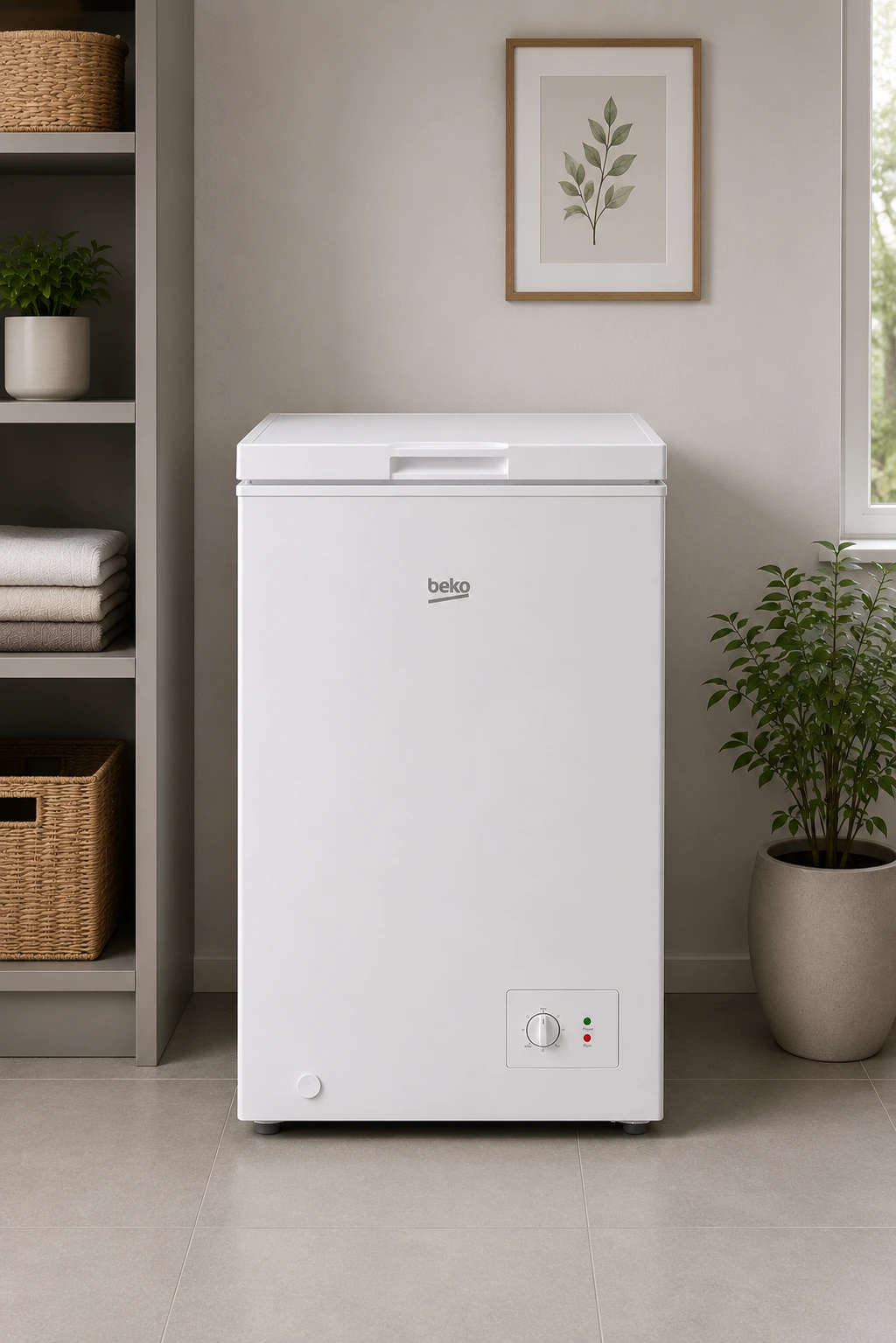
A thin layer of frost in a freezer is normal. A thick wall of ice creeping over the shelves and drawers is not. Once frost builds up it blocks the airflow that keeps everything evenly cold, makes the freezer work harder and eats into your energy bills. The good news is that knowing how to defrost a freezer properly, and understanding why the ice keeps coming back, will sort most of these problems out for good.
This guide walks through why frost forms, how to run a proper manual defrost, and the everyday habits that keep ice from returning. We'll also flag the point where constant frost stops being a maintenance job and starts pointing to a faulty defrost system that needs an engineer.
Why frost and ice build up in the first place
Frost forms when warm, moist air gets inside the freezer and meets the cold surfaces. The moisture freezes on contact, and over time those little crystals turn into a solid crust. A few things make it worse:
- A door that isn't sealing properly, letting warm air sneak in
- A worn or damaged door seal (the gasket) with splits, gaps or general wear
- A manual defrost system that simply needs defrosting
- Excessive frost that's already obstructing airflow, which then leads to poor, uneven cooling
- Blocked vents or an overpacked freezer that stops cold air circulating
- A clogged or frozen drainage tube, which can also leave you with water pooling
Spotting which of these applies to your freezer is half the battle. Most of the time it's a combination of a tired seal and a freezer that's overdue a defrost.
How to defrost a freezer step by step
Manual defrosting is straightforward, but it pays to give yourself a clear morning to do it. Have towels and a couple of containers ready before you start.
- Empty the freezer. Take everything out and move it to a cool bag, another freezer or the coldest spot you have. The faster you work, the safer your food stays.
- Switch it off at the wall. Turning the appliance off and unplugging it removes any electrical risk and lets the ice melt freely.
- Let the ice melt naturally. Lay towels at the base and in front of the freezer to catch the water. Leave the door open and let the frost soften and drop away. Don't be tempted to hack at solid ice with a knife or screwdriver, as it's easy to puncture the inner lining or the pipework.
- Clear the meltwater as you go. Keep wiping it up so it doesn't spread across the floor or into nearby appliances.
- Wipe everything down. Once the ice has gone, clean the interior with a little mild soap and warm water. Skip harsh chemicals and abrasive cleaners, which can damage the inside of the appliance.
- Dry it thoroughly. Any moisture left behind will simply turn back into frost the moment you power it up. Dry the walls, shelves and seal with a soft cloth.
- Switch it back on and let it reach temperature before reloading. Give it time to get cold again so your food doesn't sit at risk while the freezer catches up.
If your freezer has its own defrost setting or instructions, follow the manufacturer's guidance, as the exact method can vary between models.
The door seal: where most frost problems start
If you've defrosted the freezer and the ice comes straight back, look hard at the door seal. A gasket that no longer grips lets a steady trickle of warm, damp air in, and that air is exactly what feeds the frost.
Give the seal a clean to remove any debris or grime, because even a crumb caught in the rubber can break the seal. Then close the door and check it sits tight all the way round. A quick test is to shut a sheet of paper in the door, if it slides out easily, the seal isn't gripping at that point.
If the gasket is split, perished or visibly worn, it needs replacing. You can buy a replacement freezer seal and fit it yourself, or have an engineer sort it for you. A keen seal makes a real difference to both frost buildup and running costs.
Airflow and temperature: keeping frost from returning
Defrosting solves today's problem. Good habits stop it happening again.
Don't block the vents. Cold air needs to circulate, so keep food away from the vents and don't overpack the freezer. Cramming it full restricts airflow and leaves warm pockets that frost over.
Get the temperature right. Freezers should sit between -18°C and -20°C. A freezer thermometer is the easiest way to check the real temperature rather than trusting the dial. Adjust the setting until it reads correctly and keep an eye on it. If you'd like more detail, see our guide on setting the right fridge freezer temperature.
Open the door less. Every time the door opens, warm room air rushes in. Minimise how often and how long you open it, and decide what you want before you open up.
Keep the coils clean. Dust and debris on the condenser coils at the back make the freezer work harder and run less efficiently. Clearing them every now and then helps the whole system run cooler.
Leave room around the appliance. The freezer needs space to throw off heat, so keep a sensible gap between it and the wall or any neighbouring appliance.
A tidy, well-organised freezer also helps. Use freezer-safe containers or bags, label and date what goes in, and clear out anything that's been sitting at the bottom too long.
When constant ice means a faulty defrost system
Sometimes the frost keeps building no matter how often you defrost or how well you've sealed the door. That's a sign something inside isn't working as it should.
Frost-free and auto-defrost freezers rely on a defrost system to stop ice forming in the first place. If that fails, you'll see frost return quickly and the cooling become uneven. At that point you're past a maintenance job. The same goes if a leak traces back to a clogged or frozen drain tube, or if the evaporator fan that circulates cold air has stopped spinning freely or started making odd noises.
If you're dealing with relentless frost, a defrost system that won't behave, or a worn seal you'd rather have fitted professionally, it's worth booking a callout with a local NAC engineer.
Get it fixed by NAC
NAC is a family-run appliance repair business with engineers who repair every make and model. We quote a service charge before anyone attends, and that covers all the labour, the callout and VAT where it applies. The only extra is parts, if any are needed, and we'll quote those separately before any work goes ahead. Every repair is guaranteed under our terms and conditions.
If the frost won't stop, the freezer's running warm or you've spotted a leak you can't trace, get in touch with NAC or call 0333 016 9622 to book a repair. We offer same and next day repairs across our service areas, with no hidden charges.
- freezer
- defrosting
- ice buildup
- frost
Rather leave it to us?
- Fixed-price quote before any work starts
- Same or next-day visits where available
- UK-wide engineer coverage