












Why Is My Freezer Leaking Water? Causes & Fixes
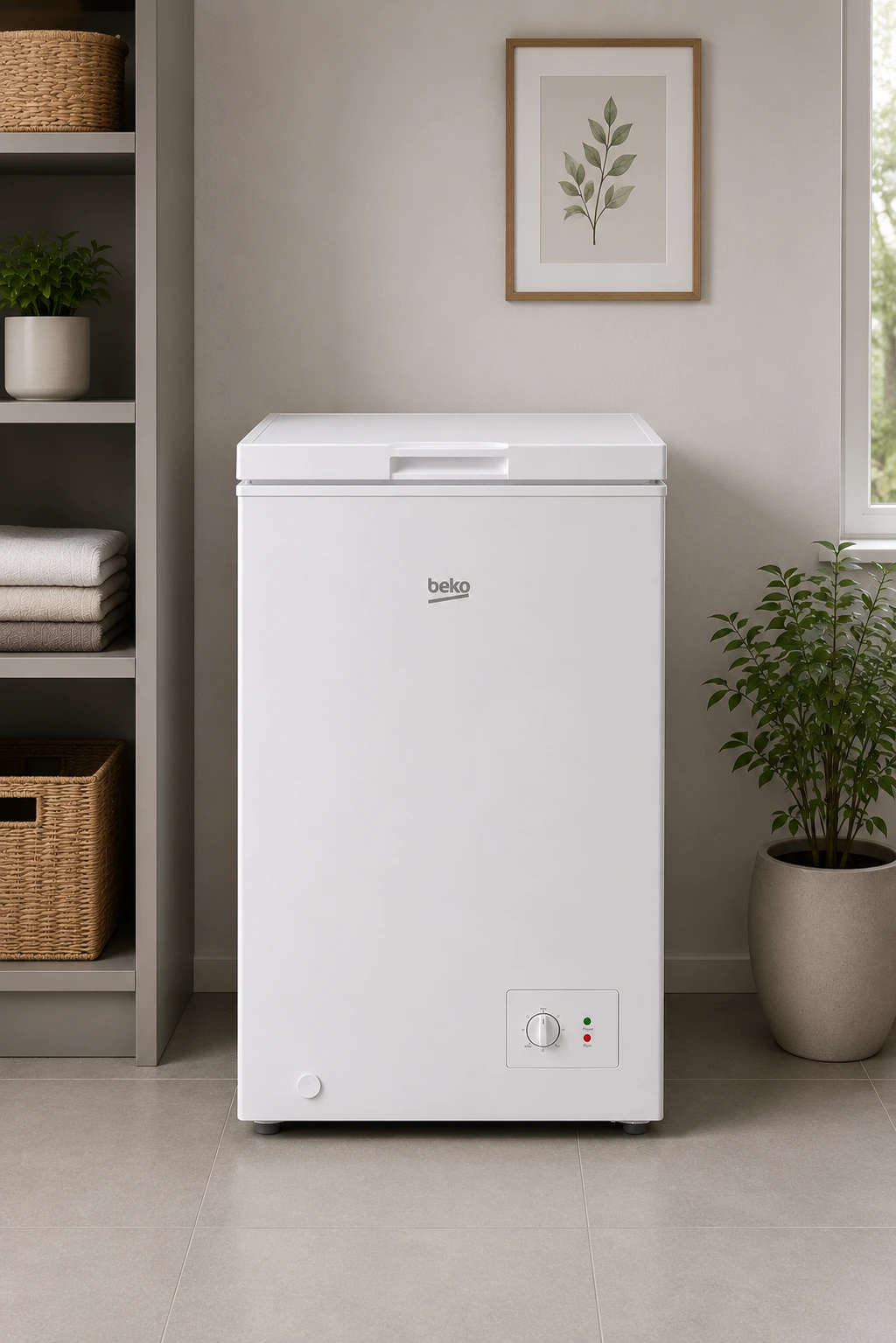
Finding a puddle under the freezer is never a welcome surprise. A freezer leaking water can warp your flooring, damage nearby appliances and leave you wondering whether something serious has gone wrong inside. The good news is that the cause is usually one of a handful of common faults, and a few of them you can sort out yourself in an afternoon.
This guide walks you through why your freezer is leaking, how to trace the source safely, and the simple checks and cleaning jobs worth trying before you call anyone out.
Common causes of a leaking freezer
Most freezer leaks come down to one of these problems:
- A clogged or frozen drainage tube. When the channel that carries away defrost water gets blocked with debris or freezes solid, that water has nowhere to go and ends up pooling inside or running out onto the floor.
- A damaged drain pan. The pan that collects water at the base of the appliance can crack or overflow, letting water escape underneath.
- An improperly sealed door. If the door isn't sealing properly, warm, moist air gets in. That moisture condenses and turns to water, which can then leak out.
- A buildup of frost. Excess frost inside the freezer eventually melts, and if there's more than the drainage system can cope with, you'll see water.
Knowing which of these is to blame is half the battle, so let's go through the checks step by step.
Before you start: safety first
Water and electricity are a bad mix, so take a few precautions before you touch anything.
- Unplug the freezer from its power source to reduce all electrical hazards.
- Contain the leak. Mop up or catch the water so it doesn't spread, especially towards any other appliances nearby.
- Remove the contents. Empty the freezer so your food doesn't get damaged or spoil while you investigate.
If you'd like a refresher on doing this properly, our guide on how to safely isolate an appliance before a DIY repair is worth a read.
How to find the source of the leak
With the freezer unplugged and emptied, you can start tracing where the water is coming from.
- Look inside. Check for any ice or water building up inside the freezer that could be the cause of the leak.
- Inspect the drainage. Look for clogged drain tubes, an overflowing drain pan, or any other obvious problems.
- Check the outside. Examine the exterior for signs of leaks or damage, such as water pooling at the bottom or dripping from the sides.
More often than not, you'll trace the trouble back to the drainage system or the door seal.
Cleaning the drains
If the drain tube or pan is the culprit, a clean-out often fixes it. Remove any debris, ice or blockages from the drain tube and pan using a soft cloth. For the tighter, harder-to-reach spots, a pipe cleaner does the job nicely.
Freezers and fridges share a similar drainage setup, so if you want more detail on clearing a stubborn blockage, see our step-by-step guide on how to clear a blocked fridge drain hole.
Check the door seal
A tired or dirty door seal lets warm air sneak in, and that extra moisture has to go somewhere. Run your finger around the seal and look for gaps, splits or grime stopping it from closing tightly. Keeping the seal clean and free of debris helps it do its job and cuts down on condensation inside.
When excess frost is the problem
A heavy frost buildup can melt faster than the drainage can handle, which shows up as a leak. Letting the freezer defrost fully, then keeping frost in check going forward, often clears it. If frost keeps returning quickly, it may point back to a door that isn't sealing or a temperature that's set wrong. Our guide on setting the correct fridge freezer temperature can help you get the settings right.
Keep leaks from coming back
A little regular upkeep goes a long way towards keeping your freezer dry and running efficiently:
- Mind the seals. Keep them clean and free of debris and grime so they stay effective.
- Clean the coils. Dust and debris collecting on the coils at the back of the freezer can dramatically affect how efficiently it runs, so give them a clean.
- Wipe down the interior. Use a mild soap and warm water. Steer clear of harsh chemicals or abrasive cleaners, as these can damage the inside of the appliance.
- Stick to a routine. Cleaning the freezer every couple of weeks, or at least once a month, keeps small problems from turning into big ones.
When to call a NAC engineer
If you've worked through these checks and still can't find or fix the leak, it's time to bring in the professionals. Book an appointment with your local NAC appliance repair technician and we'll get to the bottom of it.
We quote a service charge before an engineer attends, which covers all labour, the callout and VAT where it applies. The only thing you might pay on top is for parts, and if any are needed we'll quote those separately before any work goes ahead. There's no extra labour charge, it's all covered by that initial service charge. Every repair is guaranteed, with the exact length depending on the parts fitted and covered by our terms and conditions.
We offer same and next day repairs with no hidden charges, and we'll happily repair any make of appliance. To get booked in, contact NAC or call 0333 016 9622. You can also see the areas we cover and the brands we repair.
Prefer to tackle the repair yourself? NAC's partner site Spares4Appliances.co.uk stocks thousands of spare parts with fast dispatch.
NAC (Domestic Appliances) Ltd is a family run business, husband and wife team Adrian and Amanda, with over 40 years of experience between them.
- freezer
- leaking
- drainage
- troubleshooting
Rather leave it to us?
- Fixed-price quote before any work starts
- Same or next-day visits where available
- UK-wide engineer coverage