












Freezer Door Seal Problems: How to Check & Replace
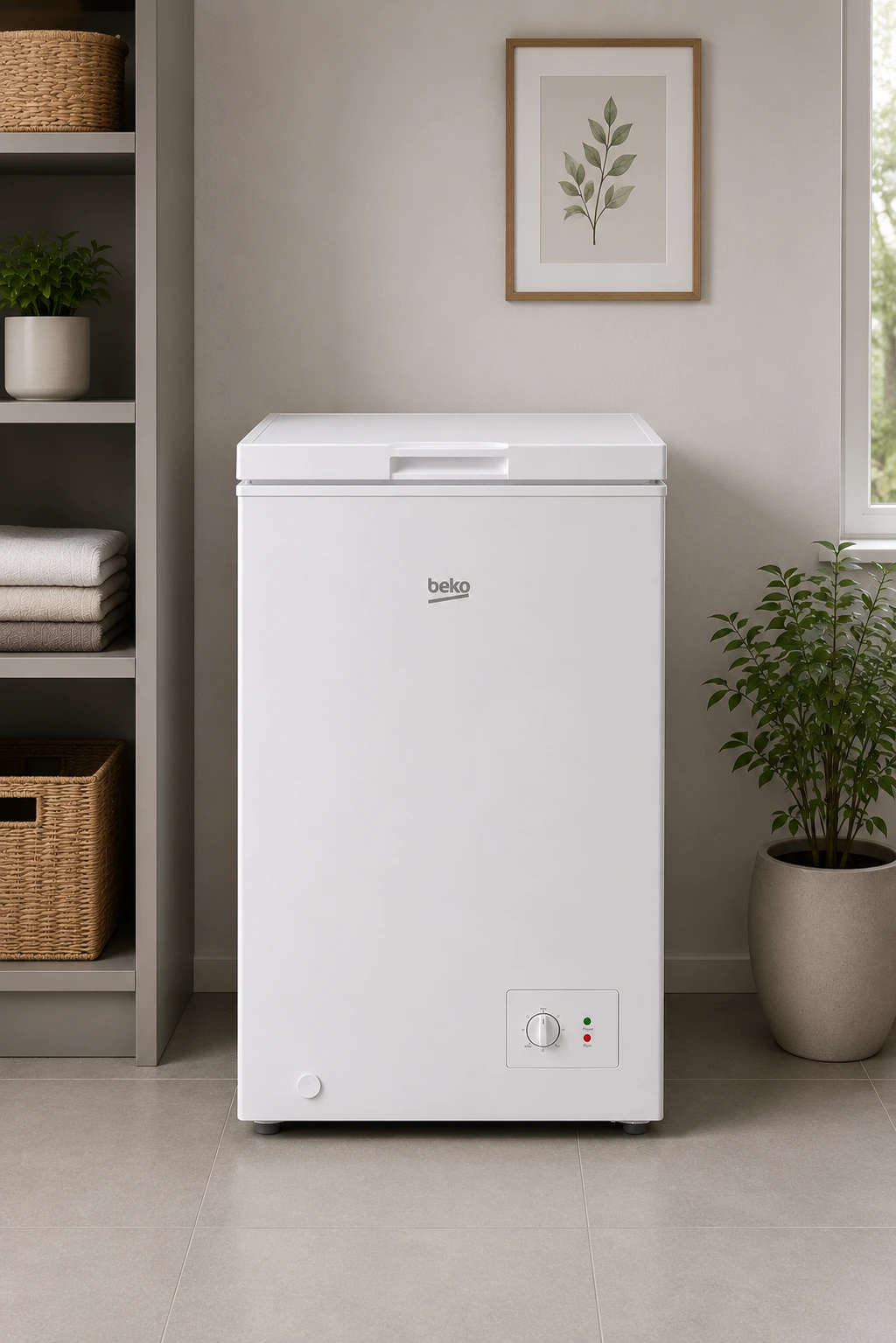
The freezer door seal is one of those parts you never think about until things start going wrong. It's the soft, flexible strip of rubber (sometimes called the gasket) that runs around the edge of the door and presses against the cabinet when you close it. Its whole job is to keep the cold sealed in and the warm room air out. When it stops doing that properly, you'll usually notice the symptoms long before you spot the cause.
If your freezer is icing up faster than usual, running constantly or struggling to hold temperature, a tired freezer door seal is one of the first things worth checking. The good news is that testing it takes a couple of minutes, and a lot of seal problems can be sorted at home.
How a failing seal causes warm temperatures and frost
When the gasket no longer makes a tight, continuous contact with the cabinet, warm air leaks into the freezer. That sounds harmless, but it sets off a chain reaction.
The warm air carries moisture. As soon as that moisture hits the cold interior, it turns to frost and ice, often building up around the door opening, the hinges or the back wall. You might see a thick layer of frost forming far quicker than it should.
At the same time, the compressor has to work harder and longer to fight off all that incoming warmth. That means higher energy bills, a freezer that never quite reaches the temperature it should, and in bad cases, partially thawed food. If you've noticed soft ice cream or a layer of slush where there shouldn't be one, the seal is a prime suspect.
It's worth ruling out a couple of other simple causes too. Make sure the freezer isn't overpacked so the door can't shut, and double-check your temperature setting. Our guide on how to set the right fridge freezer temperature covers the ideal numbers to aim for.
Signs your freezer door seal has had it
Before you test anything, give the seal a good look and a feel all the way round. The usual giveaways are:
- Visible gaps where the seal no longer touches the cabinet
- Cracks, splits or tears in the rubber
- Sections that have gone hard, brittle or flattened instead of springy
- The seal pulling away from the door at a corner
- Sticky black mould or grime built up in the folds
- Condensation or frost forming around the door edge
- The door feeling far too easy to open, with no gentle suction
Any one of these is enough to let warm air sneak in. Mould and grime are worth taking seriously, because a dirty seal often can't grip properly even when the rubber itself is still in good shape.
The paper test: a quick way to check the seal
This is the classic check engineers use, and it takes seconds. You'll need a sheet of paper, anything from a banknote to a strip of A4.
- Open the freezer door and place the paper against the cabinet so half of it sticks out.
- Close the door over the paper so the seal traps it in place.
- Gently pull the paper out. You're feeling for resistance. A healthy seal grips the paper and you'll notice a slight drag as it slides free.
- If the paper slips out easily, or just drops, the seal isn't gripping at that point.
Repeat this all the way around the door, top, bottom and both sides. Mark or remember any spots where the paper comes away with no resistance. Those are your leak points. A seal can pass on three sides and fail badly in one corner, which is more than enough to cause frost and warm spots.
Clean the seal before you condemn it
Plenty of seals that fail the paper test aren't actually worn out, they're just dirty or stiff. Cleaning is always the first thing to try, and it costs nothing.
- Mix warm water with a little washing-up liquid.
- Wipe along the whole gasket with a soft cloth, getting right into the folds and grooves where crumbs, spills and mould collect.
- For stubborn mould, a paste of bicarbonate of soda and water works well. Avoid harsh bleach or abrasive scourers, which can damage the rubber.
- Dry the seal thoroughly with a clean cloth so no moisture is trapped when you close the door.
While you're there, wipe down the cabinet surface the seal presses against. If that's grimy too, the seal can't make a clean contact.
Once it's clean and dry, run the paper test again. A surprising number of seals come back to life after a proper clean.
Realigning a seal that's lost its shape
If the rubber has gone flat or distorted in places, you can sometimes coax it back. A common trick is to warm the seal gently with a hairdryer on a low setting, then carefully press and reshape the flattened section while it's warm and pliable. Don't overheat it or hold the dryer in one spot, as you can melt or warp the rubber.
A seal that's pulled loose from its channel can often be pushed back into place. Many freezer gaskets sit in a groove or are held by a retaining strip behind the door liner. Easing the lip back into the channel by hand can fix a corner that's come adrift.
It's also worth checking the door itself. If the door is dropping, sitting unevenly or not closing square, even a perfect seal won't help. Loose hinges or a misaligned door can mimic a failed gasket, so make sure the door lines up properly and shuts cleanly.
When the freezer door seal needs replacing
If the rubber is split, torn, brittle or permanently deformed, cleaning and reshaping won't save it. At that point a new gasket is the proper fix.
Replacement seals are specific to the make and model of your freezer, so you'll need the exact model number, usually found on a sticker inside the cabinet or around the door frame. Fitting varies by design:
- Push-in seals sit in a channel and pull out, with the new one pressed back in by hand.
- Screw-retained seals are held by a strip behind the door panel, which has to be loosened to release the old gasket and clamp the new one.
- Clip or moulded seals can be more involved and sometimes need the door partly dismantled.
New seals often arrive folded in their packaging and look slightly creased. Letting the gasket sit in a warm room for a while, or warming it gently, helps it relax into shape before fitting so it sits flush all the way round.
If you've replaced an oven or cooker door seal before, the principle will feel familiar, though freezer gaskets tend to be a one-piece push-fit rather than a simple hooked strip.
When to call in an engineer
A lot of seal jobs are well within reach at home, but there are times when it makes sense to get a professional involved:
- The seal is moulded into the door or held by hidden fixings
- The door itself is dropped, sagging or won't sit square
- You've fitted a new seal and the freezer still isn't holding temperature
- Frost is building up even after the seal checks out, which can point to a separate fault rather than the gasket
If the symptoms point past the seal, our article on setting the correct fridge freezer temperature and clearing a blocked fridge drain hole are worth a read, as both can cause icing and warm spots that get blamed on the seal.
NAC engineers repair freezers and fridge freezers of every make. When you book, we quote a service charge up front that covers the callout, labour and VAT where it applies. If parts such as a new door seal are needed, we'll quote those separately for your approval before any work goes ahead, and there's no extra labour charge on top. Repairs are backed by a guarantee, with the length depending on the parts fitted (full details are in our terms and conditions).
If your freezer is icing up, running non-stop or just not staying cold, get in touch with NAC to book a repair. A failing seal is a quick fix to diagnose, and sorting it early saves both your food and your energy bill.
- freezer
- door seal
- gasket
- repair
Rather leave it to us?
- Fixed-price quote before any work starts
- Same or next-day visits where available
- UK-wide engineer coverage