












Freezer Not Cold Enough? Why It's Too Warm & Fixes
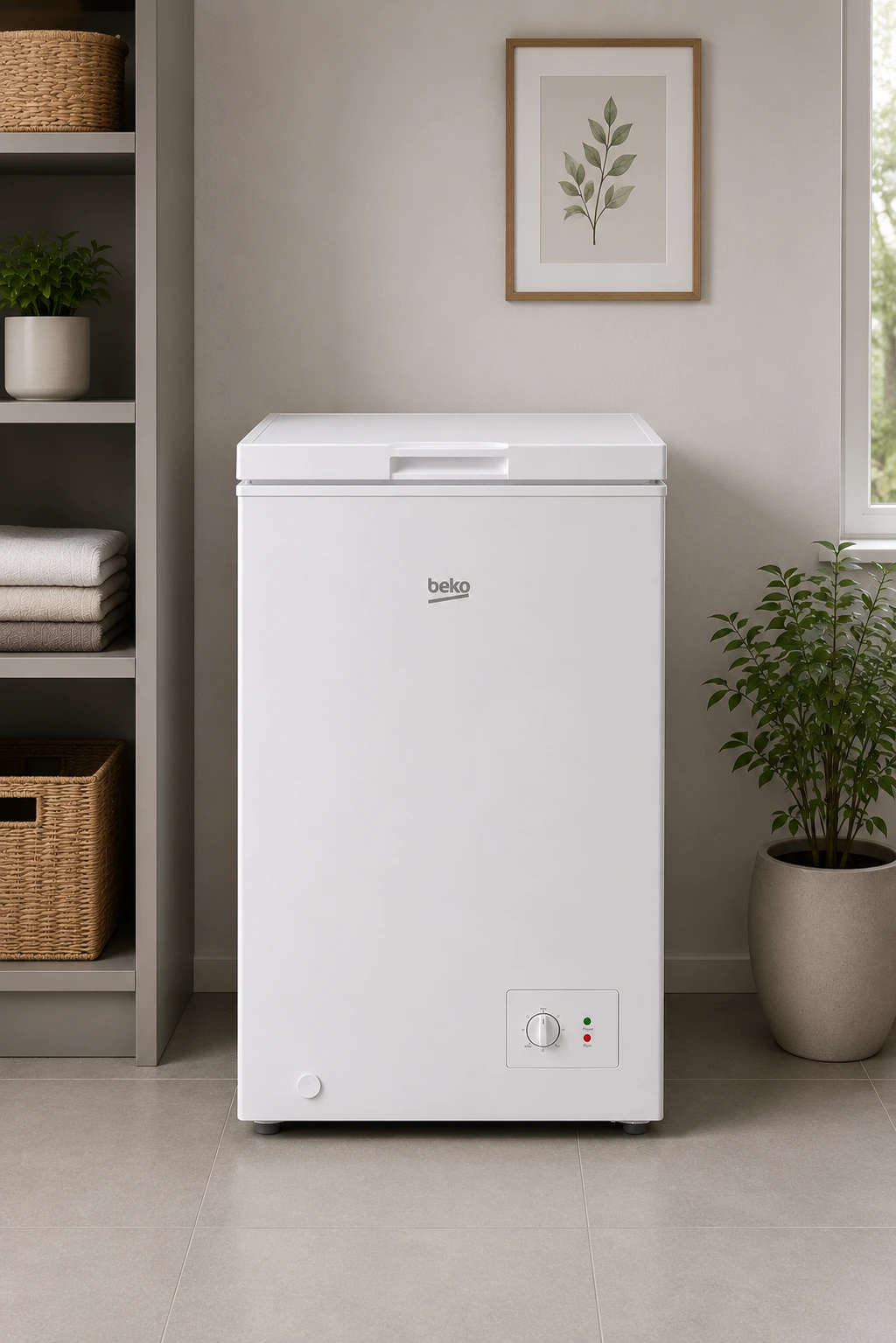
A freezer that's drifted a few degrees too warm is easy to miss until you notice softening ice cream or frost forming in odd places. If your freezer isn't cold enough, the first thing to take seriously is food safety. When a freezer stops holding its proper temperature, the food inside may no longer be safe to eat, so it's worth acting quickly rather than hoping it sorts itself out.
The good news is that a freezer not freezing properly is often down to something simple you can check at home: a setting that's crept up, a door seal that isn't sealing, vents blocked by an overpacked drawer, or dusty coils slowing everything down. Below is a practical run through the causes and fixes, plus a clear steer on when it's time to call an engineer.
Start with the temperature setting
Before stripping anything apart, confirm what temperature the freezer is actually running at. The recommended range is -18°C to -20°C. A dial that's been knocked, or a digital setting changed by accident, is one of the most common reasons a freezer feels too warm.
- Set the freezer to the recommended range of -18°C to -20°C.
- Use a freezer thermometer to gauge the real temperature inside, rather than trusting the dial alone.
- Adjust the setting to a colder level until the thermometer reads correctly, and keep checking it regularly.
- Limit how often and how long you open the door. Every opening lets warm air in and pushes the temperature up.
- Check your appliance manual or the manufacturer's instructions for the exact recommended range for your model.
If you want a fuller walkthrough on getting this right, our guide on setting the correct fridge freezer temperature covers it in detail.
Why your freezer is too warm, and how to fix it
Work through these checks in order. Several can be sorted in a few minutes without tools.
1. Adjust the temperature to a colder level
Make sure the control dial or settings are correct. Consult the manual to find the right range for your model, then drop the setting to a colder level if it's been left too high.
2. Check the door seal
Inspect the rubber door seal (the gasket) all the way round for splits, wear or gaps. A faulty or poorly aligned seal lets warm air leak in, which makes the freezer work harder and still struggle to stay cold. Wipe the seal clean and make sure it sits flush so it grips firmly when the door is shut.
If the seal is damaged or worn out it will need replacing. You can fit a replacement freezer seal yourself, or have a professional handle it.
3. Clear obstructions and restore airflow
Cold air needs to circulate. Check that the internal vents aren't blocked by food packets or containers, and arrange items so air can move freely around them. Avoid overpacking the freezer, because a stuffed compartment restricts airflow and stops the appliance cooling evenly.
4. Clean the condenser coils
Dust and debris building up on the condenser coils makes cooling far less efficient. Check your manual for how to access the coils safely, then gently clear them with a vacuum cleaner or a coil brush. It's a small job that can make a noticeable difference.
5. Check the evaporator fan
The evaporator fan circulates cold air throughout the freezer. With the door open, check whether the fan is spinning freely and running quietly. If it isn't turning, or it's making unusual noises, it may need repairing or replacing. A noisy or failing fan often points to a worn fan motor, and a replacement freezer fan motor can be located using your appliance manual. This is a job worth handing to a professional if you're unsure.
6. Give the freezer room to breathe
A freezer needs space around it to throw off heat. Make sure it isn't jammed tight against a wall or wedged between other appliances, and keep enough clearance behind and around it so warm air can escape. Poor ventilation alone can stop a freezer reaching temperature.
7. Check the defrost system
If your freezer has a manual defrost system, heavy frost build-up can block airflow and leave it unable to cool properly. Check whether it's due a defrost and follow the manufacturer's instructions to do it correctly.
A quick food safety reminder
If your freezer just isn't feeling cold enough any more, treat the food inside with caution. Anything that has partly thawed and warmed up may no longer be safe, so check it carefully before refreezing or eating. Getting the temperature back to -18°C to -20°C as fast as possible protects whatever is still properly frozen.
Keep it running well: maintenance that prevents problems
A little routine care keeps cooling efficient and heads off future faults.
Regular cleaning
- Clean the freezer every couple of weeks or at least once a month.
- Wipe the interior with mild soap and warm water to stop spills and stains building up and causing odours.
- Don't use harsh chemicals or abrasive cleaners, as these can damage the inside of the appliance.
- Pay attention to the seals and keep them free of debris and grime so they stay effective.
- Clean the coils at the back to stop dust collecting, which can dramatically affect efficiency.
Organisation
- Store food in freezer-safe containers or bags to cut down on debris and reduce freezer burn.
- Label and date frozen food so you can track freshness and clear out old items.
- A neat, well organised freezer cools more efficiently and gives you more usable space.
While you're at it, it's worth knowing how to clear a blocked fridge drain hole if you ever spot water pooling, since drainage and airflow problems often go hand in hand on fridge freezers.
When to call an engineer
If you've worked through the checks above and your freezer still isn't cold enough, or the evaporator fan, sealed cooling system or defrost components are clearly at fault, it's time to bring in a professional rather than spend out on a brand new freezer. Before any DIY work, always isolate the appliance safely at the socket.
NAC (Domestic Appliances) Ltd is a family run business with over 40 years of experience, and our engineers are trained to repair any make of freezer and fridge freezer. We quote a service charge before an engineer attends, covering all labour, callout and VAT where applicable. The only possible extra is parts, which we always quote separately for your approval before any work goes ahead, with no extra labour charge on top. Every repair is guaranteed, with the exact length depending on the parts fitted and covered under our terms.
We aim to send an engineer the same day you report the fault, or the next day where possible. To get it sorted, book a repair or contact us, or call 0333 016 9622. You can check we cover your postcode on our service areas page and see the brands we repair.
If you'd rather tackle the repair yourself, spare parts can be ordered from our partner website Spares4Appliances.co.uk.
- freezer
- not cooling
- temperature
- airflow
Rather leave it to us?
- Fixed-price quote before any work starts
- Same or next-day visits where available
- UK-wide engineer coverage