












Freezer Maintenance Tips to Make Yours Last Longer
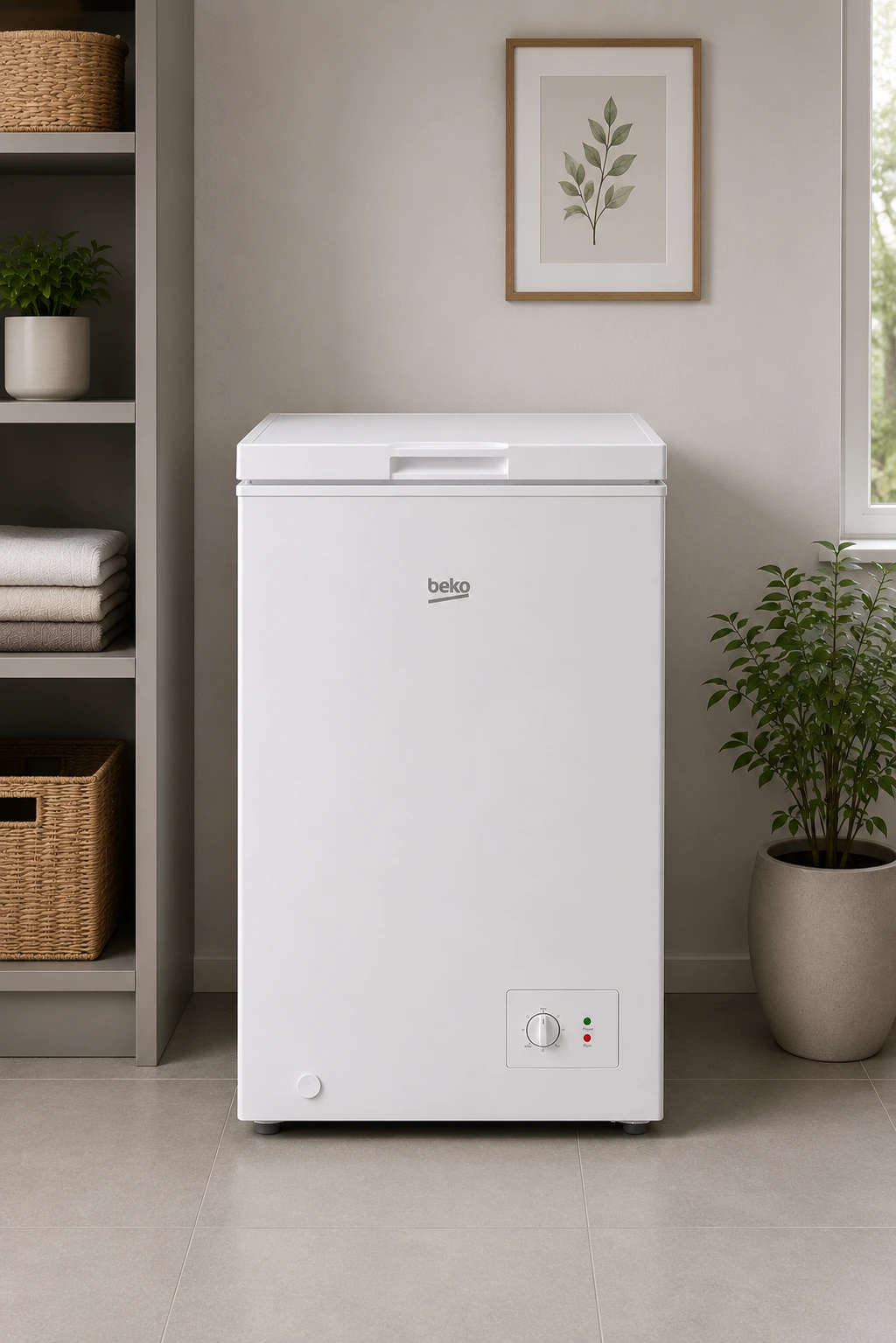
A freezer is one of those appliances you tend to forget about until something goes wrong. It hums away in the corner, quietly doing its job, and most of us only think about it when there's a puddle on the floor or a worrying noise coming from the back. A bit of regular care changes that. These freezer maintenance tips will help you keep yours running efficiently, cut down on energy waste and head off the common faults that catch people out.
None of this takes long, and the payoff is a freezer that holds the right temperature, keeps your food safe and lasts a good deal longer.
Clean it regularly
Giving your freezer a proper clean every couple of weeks, or at least once a month, is the single most useful habit you can get into. Regular cleaning helps prevent a surprising number of common freezer problems and keeps the whole appliance in good shape.
Here's how to do it well:
- Wipe down the interior with a mild soap and warm water. This stops spills and stains building up, which is what causes those stale freezer odours over time.
- Steer clear of harsh chemicals and abrasive cleaners. They can damage the surfaces inside your appliance, so gentle is the way to go.
- Pay close attention to the door seals. Keep them free of crumbs, debris and grime so they stay effective and keep the cold in.
- Clean the condenser coils at the back of the freezer. Dust and debris collect there over time, and that build-up can dramatically reduce how efficiently your freezer runs.
Those coils are easy to ignore because they're out of sight, but a layer of dust forces the appliance to work harder to stay cold. That means more noise, more energy used and more wear on the components.
Keep the inside organised
A tidy freezer isn't just nicer to look at. Good organisation helps the appliance cool efficiently, makes the most of the space you've got and saves you rummaging around with the door open.
A few simple habits make a big difference:
- Store food in freezer-safe containers or bags. This keeps loose debris to a minimum and reduces the chance of freezer burn.
- Label and date items where you can, so you know what's fresh and what needs using up.
- Clear out anything that's been sitting at the bottom for too long. Freezers have a way of accumulating mystery packages.
Keeping things ordered also helps air circulate properly inside, which keeps the temperature even from top to bottom.
Get the temperature right
Setting your freezer to the correct temperature matters for both food preservation and safety. As a rule, aim for somewhere between -18°C and -20°C.
To keep it on track:
- Use a freezer thermometer to check the actual temperature rather than trusting the dial alone.
- Adjust the setting until the thermometer reads correctly, then check it again from time to time.
- Try to minimise how often and how long you open the door. Every time it's open, warm air gets in and the freezer has to work to recover.
If you want more detail on dialling this in across a combined unit, our guide on setting the correct fridge freezer temperature is worth a read.
Common freezer problems and how to tackle them
Even with good maintenance, things can go wrong. Here are the faults we see most often and what you can do about them.
Freezer is leaking
A leaking freezer usually comes down to one of a few things: a clogged or frozen drainage tube, a damaged drain pan, a door that isn't sealing properly, or a build-up of frost.
Work through it like this:
- Safety first. Unplug the freezer from the power to remove any electrical hazard before you start poking around.
- Contain the leak. Catch the water so it doesn't spread to nearby appliances or under your flooring.
- Check and remove the contents. Empty the freezer so the food doesn't spoil while you investigate.
- Find the source. Look inside for any ice or water build-up that might be behind the leak.
- Check for clogged drain tubes, an overflowing drain pan or anything else obviously wrong.
- Examine the outside too, looking for water pooling or dripping from the bottom or sides.
- Clean the drains. Clear away any debris, ice or blockages in the drain tube and pan using a soft cloth, or a pipe cleaner for the tighter spots.
- Call in help if needed. If you can't find or fix the leak, book an appointment with your local NAC technician.
If the trouble is a blocked drain, our step-by-step on clearing a blocked fridge drain hole walks you through it.
Freezer is making loud noises
Freezers are never silent, but a new or louder noise is worth chasing down. The usual culprits are the compressor, the evaporator fan, the condenser or the ice maker.
Try the following:
- Identify where the noise is coming from. Use your ears to narrow it down.
- Check it's level. Use a spirit level to confirm the freezer is sitting flat. Adjust the feet or its position until it's level, as wobbling or rocking can add to the noise.
- Clean the condenser coils. A build-up of dust and debris makes the freezer work harder to hold its temperature, and that extra effort is noisy. Wipe the coils clean.
- Check the evaporator fan. A loud freezer can be down to a faulty or damaged evaporator fan or a worn fan motor. Use your manual to locate it and look for visible damage. If it's damaged, you'll need a replacement freezer fan motor, so speak to a repair technician for advice.
- Consult a professional. If none of that solves it, the fault could be more serious. Book a callout with your local NAC technician.
Freezer is too warm
If your freezer isn't getting cold enough any more, treat it seriously: your food may no longer be safe to eat.
Run through these checks:
- Check the temperature setting. Turn it to a colder level if needed and make sure the control dial or settings are adjusted correctly. Your manual will give the recommended range.
- Inspect the door seal. Examine the gasket for damage, wear or gaps, and make sure it's properly aligned. A faulty or poorly sealed door lets warm air in. Clean the seal and check it makes a tight seal when the door is shut. If it's damaged or worn, it may need replacing. You can fit a replacement freezer seal yourself or have a professional do it.
- Remove obstructions and check airflow. Make sure vents aren't blocked by food or packaging. Arrange items so air can move freely, and avoid overpacking, which restricts airflow and hinders cooling.
- Clean the condenser coils. Check your manual for how to access them, then gently remove dirt and debris with a vacuum cleaner or a coil brush to improve cooling efficiency.
- Check the evaporator fan. This fan circulates the cold air, so make sure it spins freely. If it isn't running or it's making odd noises, it may need repair or replacement.
- Allow space for ventilation. Position the freezer with enough room around it. Clear obstructions such as walls or other appliances and keep adequate clearance between the freezer and the wall so heat can escape.
- Check the defrost system. If your freezer has a manual defrost, see whether it needs doing. Excessive frost build-up blocks airflow and stops the freezer cooling properly. Follow the manual's instructions to defrost it correctly.
Safety reminders
A few things to keep front of mind whenever you're working on a freezer:
- Unplug the appliance before investigating any leak to remove the risk of electric shock.
- Avoid harsh chemicals and abrasive cleaners, which can damage the interior.
- If the freezer is too warm, assume the food may no longer be safe.
- Always contain a leak so water can't spread to other appliances.
If you'd rather be sure before opening anything up, our guide on safely isolating an appliance before a DIY repair is a sensible starting point.
Sorting your own spare parts
If you're confident tackling a job yourself, you might need a part like a replacement freezer fan motor or a new freezer seal. Our partner site, Spares4Appliances.co.uk, stocks thousands of spare parts with fast dispatch, so it's a good place to track down what you need.
When to call an engineer
Plenty of freezer maintenance is well within reach at home. But if you can't fix the fault yourself and you'd rather not face the cost of a brand new freezer, it's time to bring in a professional. More serious noises and a faulty evaporator fan or motor in particular should be left to an engineer.
NAC (Domestic Appliances) Ltd is a family-run business founded by husband and wife team Adrian and Amanda, with over 40 years of experience behind it. We aim to send an engineer the same day you report a fault, or the next day where possible, and every repair is guaranteed under our terms and conditions.
There are no hidden charges either. We quote a service charge before an engineer attends, which covers all labour, callout and VAT where applicable. If parts are needed, we quote those separately before any work is carried out, and there's no extra labour cost on top.
To get your freezer sorted, book a slot with your nearest NAC technician or call us on 0333 016 9622. We repair all makes and models, so whatever's gone wrong, we can help.
- freezer
- maintenance
- cleaning
- energy efficiency
Rather leave it to us?
- Fixed-price quote before any work starts
- Same or next-day visits where available
- UK-wide engineer coverage