












Why Plastic Stays Wet in the Dishwasher (And Is It a Fault?)
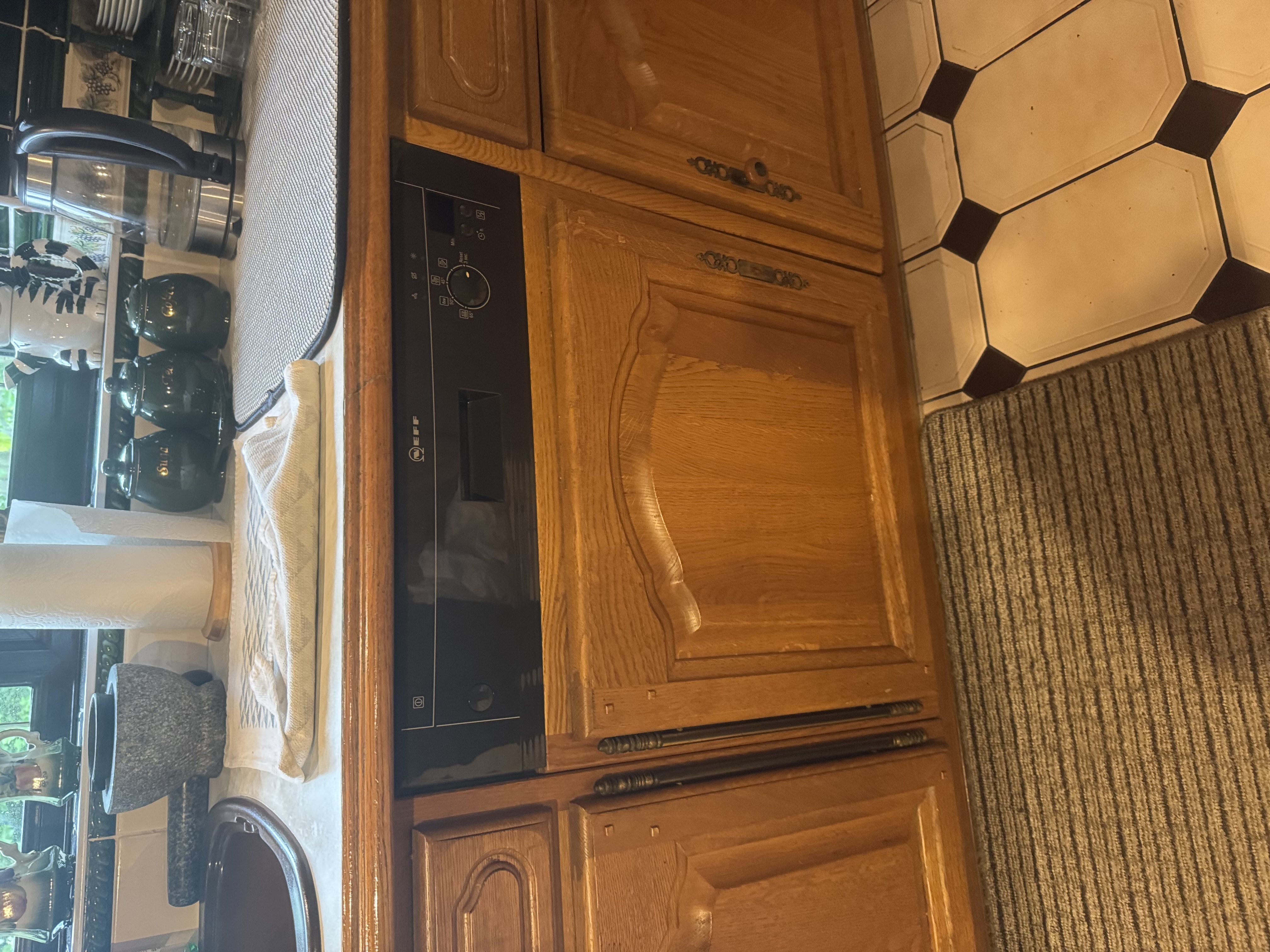
You open the dishwasher at the end of a cycle, the plates and glasses are dry, the cutlery gleams, and then you reach for the plastic lunchbox and it's still soaking wet. It's one of the most common dishwasher complaints we hear, and the good news is that in almost every case it isn't a fault at all. Plastic staying wet in the dishwasher comes down to how the drying process actually works.
Here we'll explain the science behind it, why plastic behaves differently to everything else in the basket, and the few practical things you can change to get better results. We'll also flag the point at which it's worth booking an engineer.
How dishwasher drying actually works
Most domestic dishwashers dry using condensation drying rather than a fan or a separate heated drying element. During the rinse and dry stage at the end of a programme, the machine heats up everything inside it: the cabinet, the carcass, your glassware, ceramics and metal items. That stored heat is the key. As the items cool, the moisture evaporates off them, and the warmth held inside the load is what does the drying.
This is why what you do at the very end matters. When the cycle finishes, the door should be left open slightly for a short while. That lets the steam escape and allows everything to cool down quickly, which is what finishes the drying off. Leave the door open a crack and the load dries beautifully.
Leave it shut, though, and you get the opposite. If the door stays closed for a long time, the trapped heat inside the machine cools down naturally and condenses back into water. That settles on your dishes and makes them wet all over again. So a load that would have been bone dry can end up damp simply because the door was never opened.
Why plastic is always the wet one
Here's the part that catches people out. Plastic doesn't hold heat the way ceramics, glass and metal do. A china plate or a metal pan soaks up plenty of heat during the cycle and stays warm enough to dry itself as it cools. A plastic tub barely retains any of that heat, so there's nothing left to drive off the water sitting on its surface.
The result is that your plates and glasses come out dry while the plastic stays wet, even though they all went through the exact same programme. Your plastic items will be perfectly clean at the end of the cycle, they'll just always come out wet. That isn't your machine misbehaving and it isn't something a repair can change. It's simply how condensation drying and plastic interact.
A few simple habits make plastic less of a nuisance:
- Use the top rack. Plastic placed higher up is away from the worst of the pooling water and tends to come out a little better.
- Angle items so water runs off. Tubs and lids that sit flat collect water in every dip and rim. Tip them on a slight angle and gravity helps.
- Open the door promptly. The sooner the steam gets out and the cooling starts, the better even your plastic will do.
- Give them a quick wipe. A tea towel over the few plastic pieces is often the quickest fix of all.
The most common causes of poor drying
If it's not just the plastic and the whole load is coming out wet, there are usually one of three reasons behind it.
1. The door wasn't opened at the end
This is the big one and the easiest to fix. If you run the dishwasher overnight or set it going as you head out for the day, the door stays shut for hours. All that trapped heat condenses and rains back down on your dishes. Try to run your programmes when you'll be around to crack the door open once it finishes. Some high end machines have a mechanism that automatically opens the door at the end of the cycle, but many rely on you to do it by hand.
2. Plastic that won't hold heat
As covered above, this one isn't a fault and there's no fix as such. Plastic doesn't trap heat like glass or metal, so it stays wet. Position it well, open the door early and dry the odd piece by hand.
3. Not enough rinse aid
Rinse aid does more for drying than most people realise. It breaks up the surface tension of the water so that, combined with the heat held in the load, water doesn't cling on in droplets. Instead it sheets off in large runs and drains away, leaving items dry and streak free. Run low on rinse aid and your drying results drop off noticeably.
We'd always recommend topping up rinse aid as a separate product rather than relying on an all in one combined tablet to provide it. You get far more control over the dose and far better drying.
How to top up your rinse aid
Replenishing rinse aid takes a couple of minutes:
- Open the dishwasher, lower the door flat and find the dispenser on the inside of the door.
- Open the rinse aid cap and pour rinse aid into the compartment. You won't use it all in one wash, so a top up usually lasts several weeks or even months.
- Wipe away any spills from around the outside of the compartment with a cloth. Excess rinse aid loose inside the machine can cause an oversudding problem, where too much foam builds up.
- Check the water hardness setting on your machine is correct, because this controls how much rinse aid the dishwasher dispenses.
Getting the balance right matters. Too much rinse aid creates excess foam, and too little leaves you with drying problems. The water hardness setting is what keeps the dose where it should be, so it's worth confirming it matches your local water.
So, is it a fault?
In the vast majority of cases, no. Plastic staying wet while everything else dries is a normal quirk of condensation drying, not a broken machine. The same goes for a load that comes out damp because the door stayed shut for hours, or because the rinse aid had run dry. Sort those three things and your results should improve straight away.
If you've opened the door at the end of cycles, kept the rinse aid topped up and set the water hardness correctly, and the whole load is still coming out wet, then it may be worth having the machine looked at. A heating problem during the rinse stage, for example, can stop the load reaching the temperature it needs to dry.
Book a dishwasher repair with NAC
If you've worked through the advice here and your dishwasher still isn't drying properly, our engineers can help. We repair all makes and models, and we'll quote you a service charge up front that covers all labour, the callout and VAT where it applies. The only extra would be parts if any are needed, and we'll quote those separately for your approval before any work goes ahead. Any repair we carry out is backed by a guarantee under our terms and conditions.
Use the Book A Repair button on our website to arrange a visit, or get in touch with our team and we'll point you in the right direction. You can also call us on 0333 016 9622.
While you're sorting the kitchen out, you might find our other guides handy too, such as how to clear a blocked fridge drain hole or our cooker hood maintenance checklist.
- plastic items wet
- dishwasher drying
- condensation drying
- plastic containers
Rather leave it to us?
- Fixed-price quote before any work starts
- Same or next-day visits where available
- UK-wide engineer coverage