












Cloudy Glasses & White Marks From Your Dishwasher: Fixes
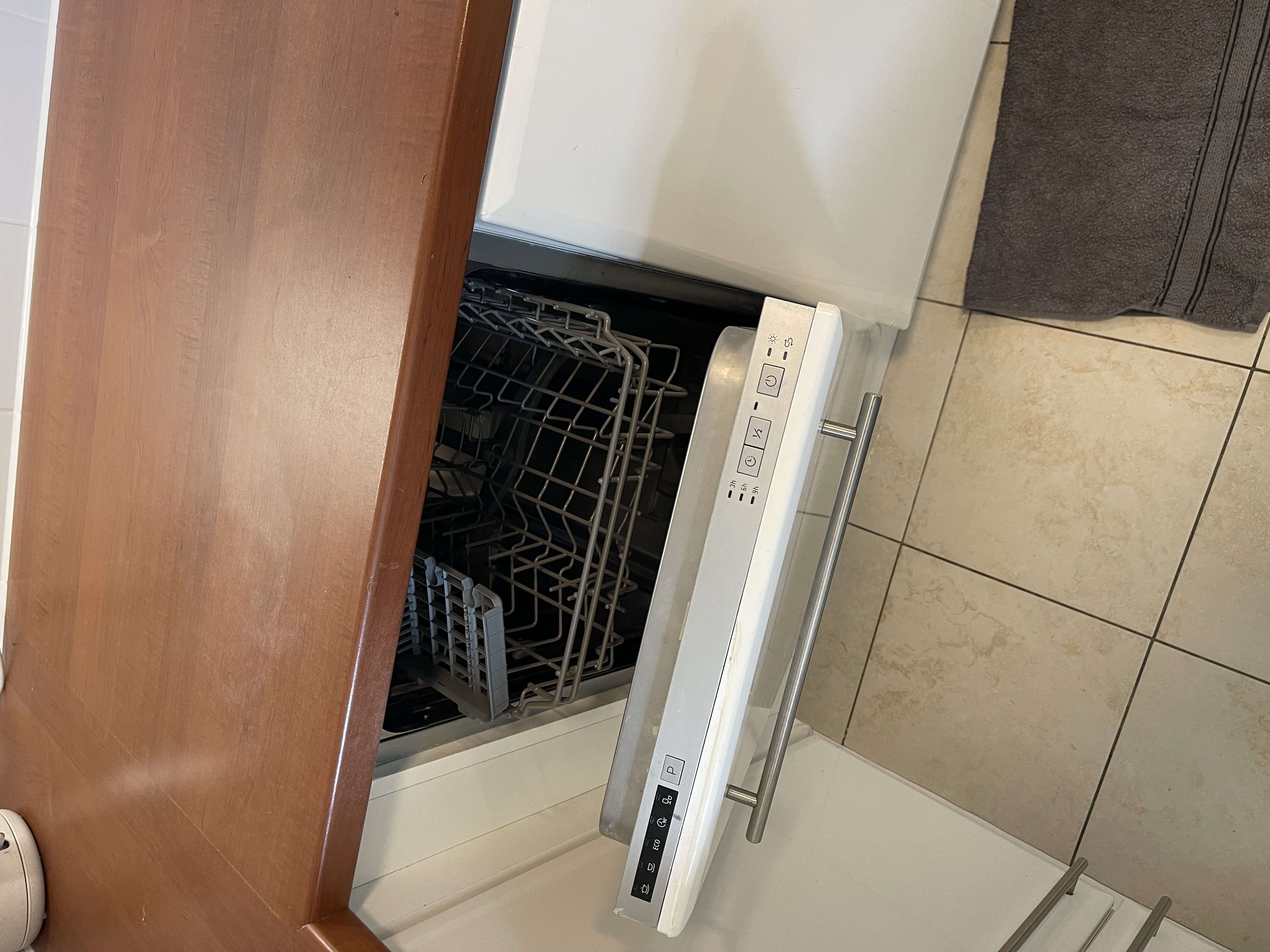
Pull a glass out of the dishwasher, hold it up to the light and there it is: a dull, milky haze, or maybe a scatter of white spots and little drop-shaped marks. Cloudy glasses from the dishwasher are one of the most common complaints we hear, and the good news is that most cases come down to water settings and detergent, not a broken machine.
The tricky part is that two very different problems can look similar. One is a mineral film from hard water, the other is residue left by too much dishwasher salt. Telling them apart is the key to fixing it, so let's work through what's actually happening and how to get back to spotless results.
The two main causes of cloudy glasses
White marks on dishes and glassware usually fall into one of two camps.
- Limescale film (hard water deposits). A thin, even cloudiness that coats the whole glass. It builds up gradually over many washes. This is mineral deposit from hard water, and it points to too little salt, an incorrect water hardness setting, or not enough rinse aid.
- Salt drop marks and white spotting. Patchy white spots, streaks or little teardrop-shaped marks rather than an all-over haze. This often means too much salt is getting into the wash, the salt setting is wrong, or salt has spilled around the cap.
A quick test helps you decide which one you've got. Dip the cloudy glass in white vinegar or lemon juice for a few minutes. If the cloudiness lifts and the glass goes clear again, you're dealing with limescale, a buildup you can remove and prevent. If it stays cloudy no matter what, the glass itself may be permanently etched (more on that below).
Limescale film: too little salt or wrong hardness setting
Dishwashers soften water using resin and dishwasher salt. If the machine isn't softening properly, hard-water minerals get left behind on everything inside, and glasses show it first because they're clear.
Work through these checks:
- Top up the dishwasher salt. Even if you use combined or "all in one" tablets, a dedicated salt reservoir still needs filling unless your machine and tablets are designed to skip it. An empty or low salt container is the single most common reason for a creeping limescale haze.
- Set the water hardness correctly. Your dishwasher has a water hardness setting that tells it how much salt to release. If it's set too soft for your area, it won't soften enough. Check your local water hardness (your water supplier publishes this) and match the machine's setting using the manual.
- Use enough rinse aid. Rinse aid helps water sheet off glasses instead of clinging in droplets that dry into marks. If the rinse aid is empty or the dosage is turned right down, expect spots and film. Top it up and nudge the dose up a notch.
- Check the salt cap is sealed. A loose or cracked cap lets wash water into the salt chamber, which stops it working as it should.
Make one change at a time and run a normal cycle. It can take a few washes for results to fully recover once the resin is softening properly again.
Salt drop marks: too much salt or spillage
If you're seeing patchy spots and teardrop marks rather than a uniform haze, the problem is usually the opposite: too much salt reaching the wash.
- Don't overfill or set the hardness too high. Cranking the hardness setting to maximum "just in case" pushes out more salt than the water needs, and the excess shows up as marks.
- Wipe up spilled salt. It's easy to spill granules around the cap when refilling. Always wipe these away and ideally run a short rinse cycle straight after topping up, so loose salt doesn't sit in the tub.
- Make sure you're using dishwasher salt, not table salt. Table salt contains additives that can clog the softener and cause inconsistent results.
The role of rinse aid (and detergent)
Rinse aid does a lot of the heavy lifting for sparkle. It lowers the surface tension of the water so it drains off glass cleanly during the final rinse, then dries without leaving droplet marks. If your glasses come out wetter than usual and dry with spots, rinse aid is the first thing to check.
A few detergent points worth knowing:
- Old or damp tablets dissolve poorly and leave residue. Store them sealed and dry.
- Overloading the racks blocks spray and water flow, so glasses don't rinse properly. Leave space between items.
- Very cheap or expired detergent can underperform on a hard-water supply.
When it's etching, not film
There's a third culprit that no setting will fix: permanent glass etching. This is tiny corrosion of the glass surface caused over time by very soft water combined with high temperatures and aggressive detergent. It looks like a rainbow sheen or a frosty, scratched haze, and crucially it does not wipe off or clear with vinegar.
Etching can't be reversed. To stop it getting worse on your remaining glassware, avoid over-dosing detergent, don't set the water softener harder than it needs to be, and consider a lower-temperature programme for delicate glasses.
A quick diagnostic checklist
Before you assume the dishwasher is faulty, run through this:
- Does white vinegar clear the cloudiness? Yes = limescale (adjust salt, hardness, rinse aid). No = possibly etching.
- Is the salt reservoir topped up and the cap sealed tight?
- Is the water hardness setting matched to your actual local water hardness?
- Is there rinse aid in the dispenser, set to a sensible dose?
- Have you wiped up any spilled salt and run a rinse?
- Are you overloading the racks or blocking the spray arms?
- Can the spray arms spin freely, and are the holes free of debris?
- Is the filter at the bottom clean? A clogged filter recirculates dirty water.
Giving the inside a deep clean helps too: remove and rinse the filter, check the spray arm holes for blockages, and run an empty hot cycle with a dishwasher cleaner or a cup of white vinegar to shift built-up scale and grease.
When to call an engineer
If you've matched the hardness setting, kept the salt and rinse aid topped up, cleaned the filter and spray arms, and the glasses are still coming out cloudy or spotty, there may be a genuine fault. Common culprits include:
- A failed water softener unit or faulty salt sensor, so the machine isn't dosing salt correctly.
- A heater problem leaving the wash water too cool to clean and rinse effectively.
- A broken rinse aid dispenser that isn't releasing any product.
- Spray arms that won't turn because the motor, bearing or water pressure is at fault.
These are the points where a repair makes sense rather than more trial and error. Our engineers repair dishwashers of every make, and the price we quote before we attend covers all the labour, the callout and VAT where it applies. If any parts are needed, we'll quote those separately first, with no extra labour charge on top, and the repair comes with a guarantee under our terms and conditions.
Book a dishwasher repair or check our service areas to see that we cover you. You can also browse the brands we repair and our full range of appliance services.
Most cloudy glass problems are settings and maintenance, so it's well worth working through the checklist first. But if a hidden fault is behind it, getting it diagnosed properly will save you a lot of ruined glassware and wasted cycles.
- cloudy glasses
- limescale
- spotting
- troubleshooting
Rather leave it to us?
- Fixed-price quote before any work starts
- Same or next-day visits where available
- UK-wide engineer coverage