












Dishwasher Not Drying Dishes? Common Causes & Solutions
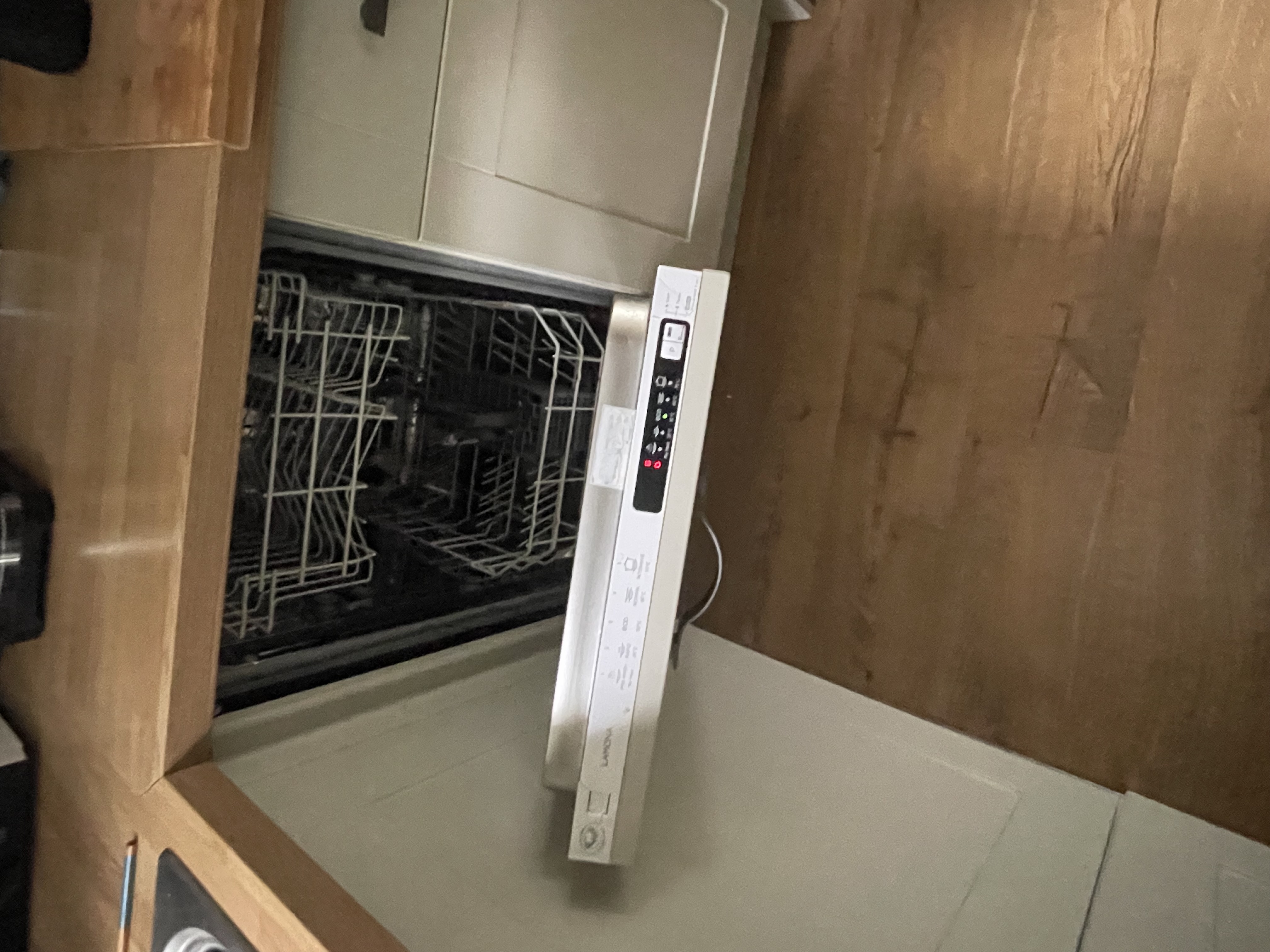
Few things are more frustrating than opening the dishwasher at the end of a cycle to find everything still damp, with pools of water sitting in cup bases and spots drying onto your glasses. If your dishwasher is not drying properly, the cause is usually something straightforward you can sort yourself. Occasionally it points to a fault that needs an engineer. Here's how to tell the difference and what to try first.
Start with the rinse aid
Rinse aid does more than reduce smears. It helps water run off your dishes instead of clinging to them, which is a big part of how a dishwasher dries. When rinse aid runs low, water beads and sits on surfaces rather than sheeting away, so plates and glasses come out wetter than they should.
Most machines make this easy to spot. When either the dishwasher salt or the rinse aid reaches a low level, a warning light is usually shown on the front of the machine to tell you it needs topping up. If that light is on, refill the rinse aid dispenser and run another cycle before assuming anything is wrong with the appliance.
If your machine lets you adjust the rinse aid dosage, nudging it up a little can improve drying noticeably, especially on plastics and glassware.
How you load the machine matters
The way items sit affects how well they drain and dry. A few habits make a real difference:
- Angle bowls, cups and anything with a recess so water can run off rather than collect inside.
- Avoid nesting items together where they shield each other from the drying phase.
- Leave a little space between pieces so air and heat can circulate.
- Position tall items so they don't trap water in their bases.
Plastics are the worst offenders. They don't hold heat the way ceramics and glass do, so they tend to stay damp even when everything else has dried. That's normal behaviour rather than a fault.
Check the cycle you're using
Quick and eco programmes save energy and time, but they often run at lower temperatures and skip or shorten the drying phase. If you've switched programmes recently and noticed wetter dishes, that's likely why. For better drying, choose a longer or hotter programme, or an option with an extended or intensive dry if your machine offers one.
It also helps to crack the door open once the cycle finishes. Letting the steam escape allows residual heat to finish the job, and the remaining moisture evaporates much faster than it would behind a sealed door.
Different machines dry in different ways
Not all dishwashers dry the same way, so expectations should match the type you own. Some use the heat left in the load and the hot final rinse to evaporate moisture, then rely on you opening the door. Others have more active drying systems built in. If your dishwasher has always left items slightly damp and nothing has changed, it may simply be working as designed rather than developing a fault. The trick is noticing when results suddenly get worse than they used to be.
Don't overlook water hardness
Water hardness is more often linked to spotting than to wetness, but the two get confused easily. An incorrect water hardness setting can cause poor results because too much salt ends up in the machine, and a common sign of this is small drop marks left on items, particularly glassware. People sometimes read those marks as poor drying when the real issue is the hardness setting.
On modern machines the water hardness is adjusted using the controls on the front. Some high end dishwashers ask you to type in an exact value, in which case it's best to get that figure from your local water authority so it's accurate.
After you top up or replenish the salt, it's worth running the dishwasher on an empty quick wash. That clears away any excess salt left inside the machine, which can otherwise affect your results on the next load.
When poor drying points to a fault
If you've topped up the rinse aid, adjusted your loading, chosen a hotter programme and you're still pulling out soaking wet dishes, the problem may lie with the appliance itself. Drying relies on the machine reaching and holding the right temperature during the cycle, and when that isn't happening the load simply won't dry. That's the point to stop tinkering and get it looked at, because the components involved aren't something to take apart at home.
If you do want to inspect anything around the machine first, always follow safe practice and read our guide on how to safely isolate an appliance before a DIY repair.
Get it diagnosed and fixed
If you're still getting poor results after working through this advice, there's likely a fault with the appliance, and an engineer will be able to find and put it right. NAC repairs all makes of dishwasher, and you can see the brands we cover or book a repair through our contact page. Prefer to talk it through first? Call us on 0333 016 9622.
We quote a service charge before an engineer attends, covering all labour, callout and VAT where applicable. The only possible extra is for parts, and if any are needed we'll quote those separately before any work goes ahead, with no additional labour charge on top. Every repair is guaranteed, with the exact length depending on the parts fitted and covered under our terms and conditions.
NAC is a family run business with over 40 years of experience and same or next day repairs where possible. You can read what customers say on our reviews page or find out more about us.
- drying problems
- rinse aid
- troubleshooting
- dishwasher
Rather leave it to us?
- Fixed-price quote before any work starts
- Same or next-day visits where available
- UK-wide engineer coverage