












Solving Common Dishwasher Drying Problems at Home
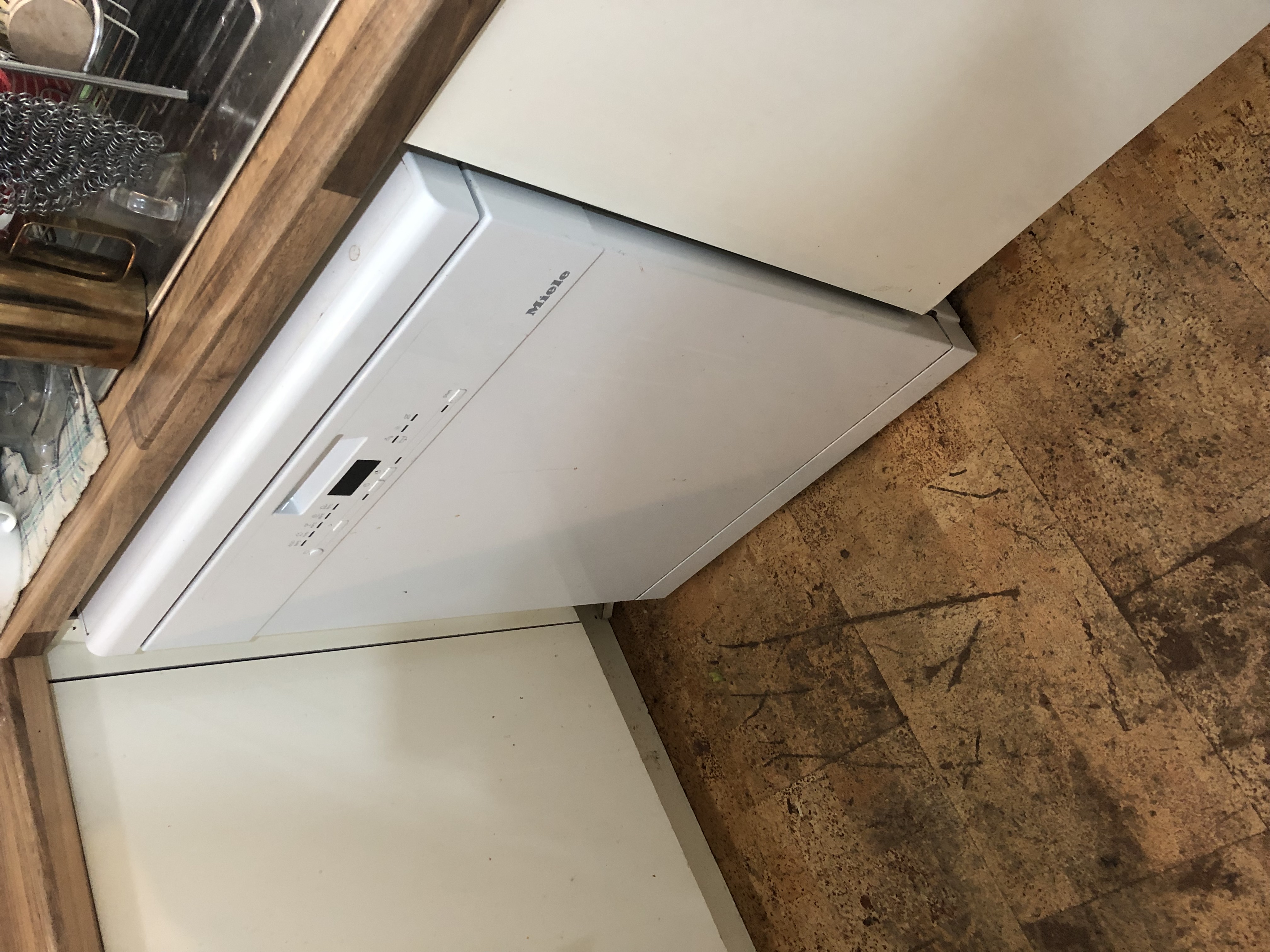
Opening the door to a steamy load of dripping dishes is one of the most common dishwasher gripes we hear about. The good news is that a dishwasher not drying properly is often down to how it's being used or set up, rather than a serious fault. Before you assume something has broken, it's worth running through a few simple checks that frequently solve the problem at home.
This guide walks through the usual reasons a dishwasher leaves things wet, the easy fixes that tend to make the biggest difference, and the point at which a drying problem really does need an engineer.
How dishwashers actually dry
Most dishwashers don't dry the way a tumble dryer does. Understanding the method your machine uses makes it much easier to spot why your dishes are coming out damp.
- Condensation drying. Many modern machines rely on the heat held in the dishes after a hot final rinse. As the load cools, moisture condenses onto the cooler stainless steel walls of the cabinet and runs away to the bottom. It's quiet and energy efficient, but it's slower and naturally leaves a little more moisture behind than heated drying.
- Heated drying. Some dishwashers use a heating element, and sometimes a fan, to actively warm and circulate air at the end of the cycle. This dries more thoroughly, but if the element or fan develops a fault you'll suddenly notice everything coming out wet.
If your machine has always dried by condensation, a small amount of residual moisture is normal. If drying has clearly got worse over time, that points to a setting, a habit, or a fault worth investigating.
Check your rinse aid first
Rinse aid does a lot more than add shine. It lowers the surface tension of the water so it sheets off the dishes instead of clinging on in droplets. Water that runs off freely dries far faster, especially on condensation machines.
- Make sure the rinse aid reservoir isn't empty. Many people top up detergent but forget this separate compartment.
- If your dishes are drying but you're left with spots and streaks, try turning the rinse aid dosage up a notch using the dial inside the dispenser.
- All in one tablets include rinse aid, but the dedicated dispenser still helps, particularly in hard water areas. It's worth keeping it filled even if you use combined tablets.
Running short of rinse aid is one of the most common reasons for a sudden drop in drying performance, so it's the first thing to rule out.
Mind your plastics
If it's mainly plastic items left wet while your glasses and crockery come out dry, that's expected behaviour rather than a fault. Plastic doesn't hold heat the way glass, ceramic and metal do, so it cools quickly and water droplets sit on the surface instead of evaporating.
Where you can, place plastic items where the spray and heat reach them well, give them a quick towel finish, or simply accept that they'll always be the dampest things in the load. There isn't a setting that fully fixes the physics of it.
Loading habits that affect drying
How you stack the dishwasher has a direct effect on how dry everything comes out.
- Avoid nesting. Bowls and spoons that sit inside each other trap pools of water. Space items so they each drain on their own.
- Angle cups and mugs. Anything with a recessed base will collect water on top if it sits flat. Tilt items so water can run off.
- Don't overcrowd. Packing the baskets too tightly stops air and heat moving around the load, and stops water draining away cleanly.
- Keep tall items from blocking the spray. Good water coverage during the cycle also means a cleaner, hotter rinse, which helps drying.
A few small changes to how you load often improve results more than people expect.
Open the door at the end
The simplest trick of all. When the cycle finishes, crack the door open by a few inches and let the steam escape. The warm, humid air vents out and the residual heat finishes the job in the open air. Leaving it ajar for ten or fifteen minutes before unloading makes a noticeable difference, especially on condensation drying models. Unloading the bottom basket first also stops drips from the top rack landing on items below.
Make sure you're choosing a drying cycle
It sounds obvious, but it catches people out. Eco and quick programmes often run at lower temperatures and either skip or shorten the drying phase to save energy. If you've switched to a shorter or eco programme, that alone can explain wetter dishes. Try a hotter or longer programme, or look for an 'extra dry' option if your machine offers one.
When a drying problem is actually a fault
If you've topped up the rinse aid, adjusted your loading, picked a proper drying programme and you're still pulling out soaking dishes, the fault may lie with the machine itself. On dishwashers that use heated drying, the usual culprits are:
- A failed heating element that no longer warms the final rinse or the drying air.
- A faulty drying fan on models fitted with one.
- A control or thermostat fault that stops the drying phase running correctly.
These aren't jobs to tackle yourself, as they involve electrical components and the machine's wiring. This is the point to bring in a qualified engineer who can test the element, fan and controls and put it right safely.
A quick word on poor washing too
If your dishes are coming out wet and not properly clean, the drying may not be the real issue at all. Blocked spray arm jets are a frequent cause of poor wash results, and a cooler, less effective wash can leave items damp as well. Lifting out the spray arms and clearing the holes with a pin can make a real difference, just take care not to enlarge the holes, as that changes the water pressure and stops the arms spinning.
Get your dishwasher fixed
If you've worked through these checks and your dishwasher still isn't drying, it's worth having it looked at properly. NAC repairs all makes and models of dishwasher, and we'll quote you a service charge before an engineer attends that covers all the labour, callout and VAT where it applies. The only thing on top of that is parts, if any are needed, and we'll always quote those separately before any work goes ahead. Every repair is backed by our guarantee.
Book a repair or get in touch with our team and we'll get a fully trained engineer out to diagnose the drying fault and sort it for you. You can also see the brands we repair and check our service areas to confirm we cover your part of the country.
- dishwasher
- drying
- rinse aid
- troubleshooting
Rather leave it to us?
- Fixed-price quote before any work starts
- Same or next-day visits where available
- UK-wide engineer coverage