












Dishwasher Maintenance Checklist to Prevent Costly Repairs
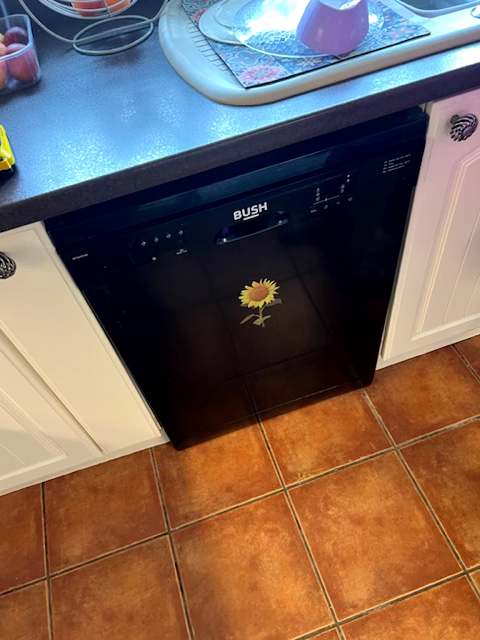
A dishwasher quietly does a lot of work, and most of the faults we get called out to could have been avoided with a few minutes of upkeep here and there. If you want to keep your machine cleaning properly and stop small problems turning into expensive breakdowns, a little routine maintenance goes a long way. This checklist walks you through everything worth doing, from clearing the filter to keeping those spray arms spinning freely.
Why regular dishwasher maintenance matters
The most common complaint we hear is poor washing results. Plates come out with food still stuck on, glasses look cloudy, and the bottom of the machine smells less than fresh. More often than not, this isn't a major fault at all. It's a build-up of food debris and limescale that has gradually choked the parts that do the cleaning.
Here's the thing most people don't realise. When a dishwasher fills, it doesn't keep drawing fresh water throughout the cycle. It recirculates the same water for quite some time. If food hasn't been removed from your plates before loading, it ends up swilling around inside the machine. The motor then fires those food deposits out through the jets in the spray arms, and over time the jets clog up. Keep on top of the basics below and you'll avoid most of that.
Scrape food off before you load
This is the single easiest habit to get into. You don't need to rinse everything under the tap, but scraping leftover food, bones, pips and large scraps into the bin before loading keeps debris out of the system. Less food going in means less getting trapped in the filter and fired into the spray arm jets. It's the first line of defence against poor washing.
Clean the filter regularly
The filter sits in the base of the dishwasher and catches the food debris that washes off your dishes. If it's left to fill up, water can't drain or circulate properly, and washing quality drops off fast.
- Lift the filter out (most twist or unclip from the bottom of the tub).
- Rinse it under a running tap to flush away trapped food.
- Use an old toothbrush or soft brush to clear the mesh and any stubborn bits.
- Check the area underneath the filter for debris before refitting.
- Drop it back in and make sure it's locked securely in place.
A quick rinse once a week is plenty for most households, more often if you run the machine daily or skip scraping plates.
Inspect and clean the spray arms
The spray arms are easy to overlook, but they do the actual cleaning, so they deserve attention. Most dishwashers have two: one below the bottom basket and another below the top basket. The arms spin and fire water through small jets to blast your dishes clean.
Pay particular attention to the two jets at each end of an arm. These are critical, because they're what make the arm spin in the first place. If one or both end jets are blocked, the arm goes static and simply can't reach round the machine to clean anything properly.
How to clean the spray arms in a dishwasher
- Remove the spray arms. The bottom spray arm is simply clipped into place and comes off with a small pull. The top spray arm is usually on a screw thread, so turn it a quarter turn and pull it free.
- Clear the jets. Take each arm to the sink and check that water flows freely through the central channel. Carefully pick any blockages out of the holes using something small like a pin or a needle. It can take a bit of patience and persistence, but keep going until every hole is completely clear.
- Refit the arms. Push the bottom arm back down until it clips into place. For the top arm, line it up and turn a quarter turn in the opposite direction to lock it on.
One important warning: never try to make the jet holes any bigger. Widening them changes the water pressure, and if the pressure drops the arms won't spin at all. Clear the holes, don't enlarge them.
If your washing results have been disappointing, simply cleaning out the spray arms can make a noticeable difference.
Wipe down the door seals and edges
Food, grease and limescale collect along the rubber door seal and around the edge of the tub, especially at the bottom where water sits. Left alone, this causes odours and can stop the door sealing cleanly. Wipe the seal with a damp cloth every week or two, getting into the folds where grime hides. A clean seal also helps prevent leaks.
Run a maintenance wash
Grease and limescale build up inside the machine in places you can't easily reach. Running an empty hot cycle every month or so, with a dishwasher cleaner or a suitable cleaning product, flushes out that residue and keeps the inside fresh. It's one of the simplest ways to keep performance consistent and head off smells.
Keep salt and rinse aid topped up
If your dishwasher uses dishwasher salt, keeping the reservoir filled helps soften hard water and protects against limescale, which is one of the biggest enemies of good washing in many parts of the country. Rinse aid helps water sheet off your dishes so they dry without spots and streaks. Check both levels regularly and top them up rather than waiting for the warning light. All-in-one tablets help, but in hard water areas separate salt still earns its keep.
Your quick maintenance checklist
- Scrape plates before loading
- Rinse the filter weekly
- Wipe the door seal and tub edges
- Check the spray arm jets are clear and spinning
- Run a hot maintenance wash monthly
- Top up salt and rinse aid
Stick to that and you'll dodge a good number of the faults that cut a dishwasher's life short.
When to call in an engineer
Maintenance solves a lot, but not everything. If you've cleaned the filter and spray arms, run a maintenance wash and checked your salt and rinse aid, and you're still getting poor washing results, leaks, drainage problems or error codes, it's time to get the machine looked at properly.
At NAC (Domestic Appliances) Ltd we repair dishwashers of any make. We're a family run business with over 40 years of experience, and we aim to send an engineer the same day you report the fault, or the next day where possible. You'll get a clear service charge quoted before we attend, covering all labour, callout and VAT where it applies, with parts quoted separately only if they're needed and no extra labour charges on top. All our repairs come with a guarantee under our terms and conditions.
To book a repair, use the Book A Repair button on our website or get in touch with the team. You can also call us on 0333 016 9622. A little regular care really is the best way to keep your dishwasher healthy, but when you do need a hand, we're ready to help.
- dishwasher
- maintenance
- filters
- cleaning routine
Rather leave it to us?
- Fixed-price quote before any work starts
- Same or next-day visits where available
- UK-wide engineer coverage