












What Causes a Dishwasher Seal to Perish or Come Loose?
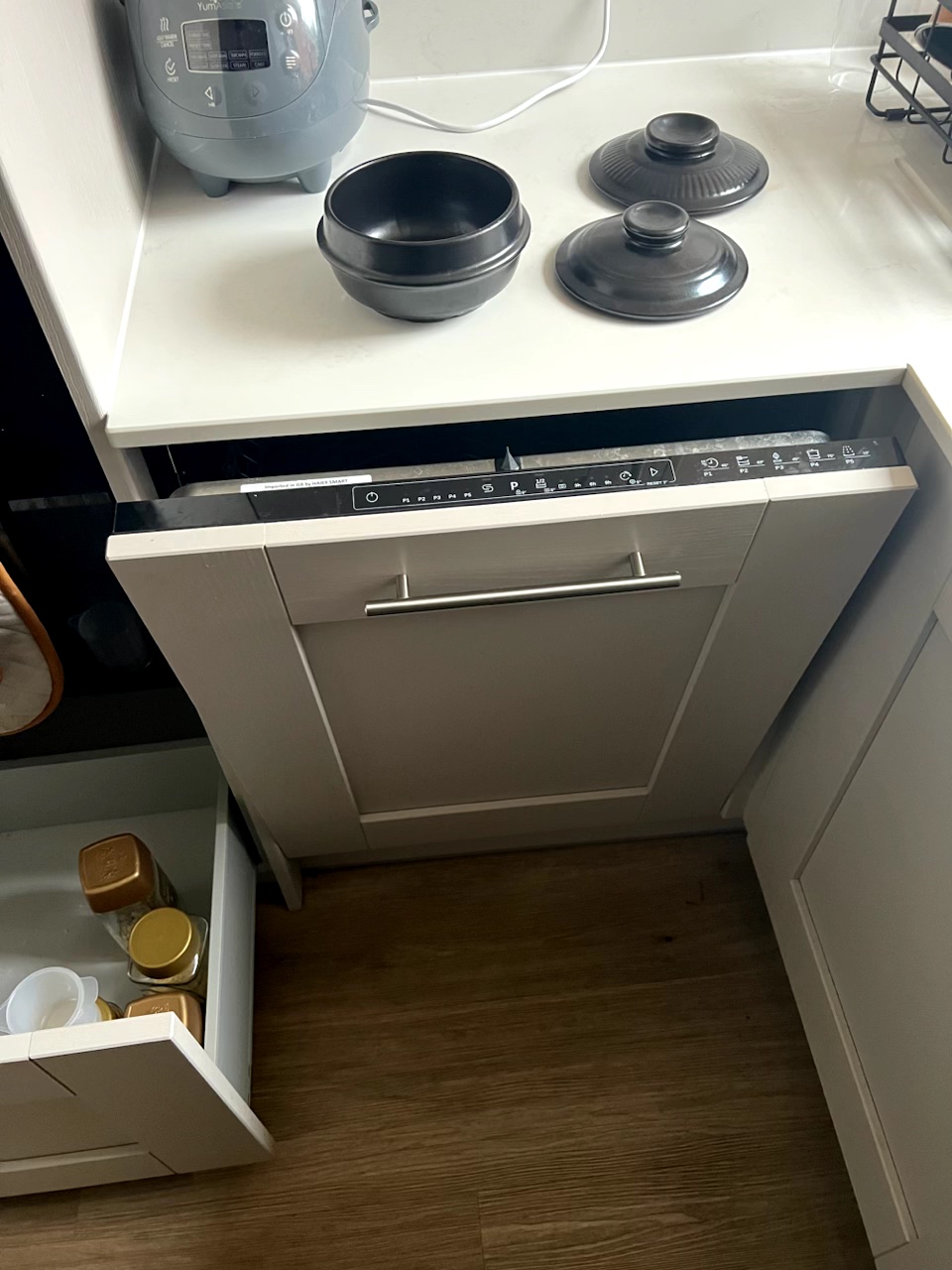
A dishwasher door seal does a quiet but important job. It runs around the edge of the door and presses against the cabinet when you close it, keeping water inside the machine where it belongs. When that seal starts to perish or comes loose, you tend to notice the result before the cause: water pooling under the appliance or trickling onto the kitchen floor.
If you've found yourself wondering why your dishwasher seal keeps coming loose, this guide walks through what actually wears it out, the early warning signs, and the practical things you can do to make a seal last longer.
What the door seal does
The seal stops water leaks and helps the dishwasher run efficiently, holding the wash water in during a cycle so nothing escapes around the door. Most seals are made from rubber or silicone, both of which are flexible enough to form a watertight barrier but, like any rubber component, they don't last forever.
When a seal fails, replacing it is usually a cost-effective fix that stops further leaking and gets the machine working as it should again.
Signs your dishwasher seal needs attention
It's worth checking the seal if you spot any of the following:
- Water pooling around the dishwasher
- Water leaking onto the kitchen floor
- The seal has come loose, or you can see gaps where it should sit flush
A quick visual check is easy. Open the door fully and run your finger around the seal. You're looking for flat spots, splits, hardening, or sections that have lifted away from the door.
Why dishwasher seals perish or come loose
Several things gradually break down a door seal, and most kitchens see a mix of all of them.
Wear and tear
This is the most common reason. With frequent use, and constant exposure to hot water and detergent, the rubber or silicone slowly deteriorates. Over months and years the material loses its flexibility, which is when it starts to come loose or develop gaps it can no longer close.
Accidental damage
Seals are softer than they look. Poking or prodding them, or catching the edge with cutlery, sharp utensils or dishes as you load and unload, can dislodge a seal or tear it. Once a section has been pulled out of place, water finds the weak spot quickly.
Excessive heat
High-temperature wash cycles and hot drying phases are hard on rubber. The repeated heat speeds up the ageing of the seal material, so machines that are run hot and often tend to need a new seal sooner.
Chemical reactions
Some dishwasher detergents contain harsh chemicals that can weaken or corrode the seal over time. The stronger the formula, the more it can shorten the life of the rubber it's washing past on every cycle.
How to make your dishwasher seal last longer
You can't stop a seal ageing altogether, but a few habits genuinely slow it down.
- Keep the seal clean. Wipe the area where the seal sits with a mild detergent and warm water now and then, clearing away food debris and residue so nothing builds up against the rubber.
- Choose a gentler detergent. Avoid harsh chemical detergents that corrode or weaken the seal. A milder product is kinder to the rubber over the long run.
- Load with care. Don't poke or prod the seal, and watch that long utensils, baking trays and dishes aren't catching it as you slide racks in and out. Overloading makes knocks more likely, so leave a little room.
- Be mindful of hot cycles. High-temperature wash and dry settings accelerate seal degradation. They have their place for heavily soiled loads, but you don't need maximum heat for everyday dishes.
None of this is complicated, and a couple of minutes of attention every few weeks adds up.
When the seal has already gone
If the seal is split, hardened or no longer sitting flush no amount of cleaning will bring it back. At that point it needs replacing with one that matches your dishwasher's make and model. Fitting a new seal is a job some people are happy to take on at home, but it has to seat snugly all the way round with no gaps, otherwise the leak simply returns.
If you'd rather not tackle it, or you've replaced the seal and the machine is still letting water out, a local NAC engineer can sort it for you. We repair all makes of dishwasher, and we quote a clear service charge before anyone attends that covers all the labour, the callout and VAT where it applies. The only extra is parts if they're needed, and we quote those separately before any work goes ahead. Every repair is guaranteed under our terms and conditions.
Book a repair with NAC
NAC is a family run appliance repair business with same and next day repairs available and no hidden charges. To get a leaking dishwasher looked at, get in touch or call us on 0333 016 9622, and we'll arrange for an engineer to replace your door seal and check the machine over.
You can also see the brands we repair and check our service areas to confirm we cover your part of the country.
- dishwasher
- door seal
- maintenance
- wear and tear
Rather leave it to us?
- Fixed-price quote before any work starts
- Same or next-day visits where available
- UK-wide engineer coverage