












How to Replace a Dishwasher Door Seal: Step-by-Step
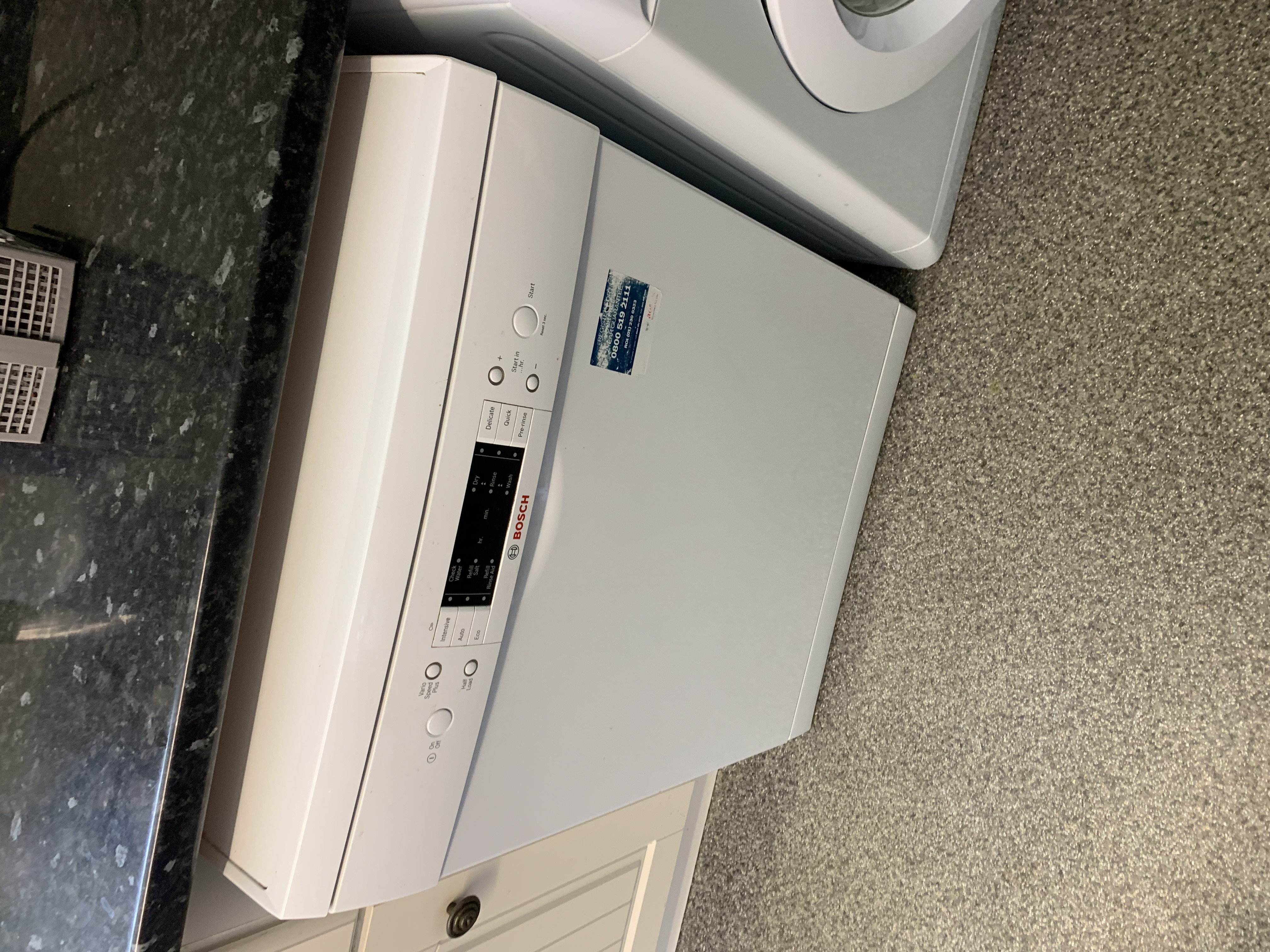
A worn dishwasher door seal is one of the most common reasons for a puddle on the kitchen floor. The good news is that replacing a dishwasher door seal is a manageable job for a confident DIYer, and it's a cost-effective way to stop leaks and keep the machine running properly. This guide walks you through the whole process, from spotting the problem to testing the new seal for leaks.
Signs your door seal needs attention
The seal runs around the door and keeps water inside the cabinet during a wash. When it starts to fail, you'll usually notice one or more of these:
- Water pooling around the dishwasher
- Water leaking onto the kitchen floor
- The door seal has visibly come loose
If any of these sound familiar, the seal is the first thing worth checking. Left alone, a small leak can spread under units and flooring, so it's worth sorting sooner rather than later.
Why the door seal matters
The door seal is the part that prevents water leaks and keeps your dishwasher operating efficiently. When it's in good condition, the door closes tight and water stays where it should. Replacing a perished seal is a sensible, low-cost fix that prevents further leakage and keeps the machine working as it should.
Why door seals come loose
Dishwasher seals are made of rubber or silicone, and they don't last forever. A few things tend to wear them out:
- Wear and tear. With frequent use and constant exposure to hot water and detergents, the rubber or silicone gradually deteriorates, which can cause it to come loose or develop gaps.
- Accidental damage. Poking, prodding or catching the seal with utensils or dishes can dislodge or tear it.
- Excessive heat. High-temperature wash and drying cycles speed up the breakdown of the seal material, which can make it work loose over time.
- Chemical reactions. Some detergents contain harsh chemicals that can weaken or corrode the seal as the months go by.
Before you start: safety first
A few sensible precautions before you begin:
- Make sure the dishwasher is unplugged or disconnected from its power source. If you'd like a hand with this, our guide on how to safely isolate an appliance before a DIY repair is worth a read.
- Consider wearing gloves to protect your hands.
- Take care not to damage the door or any surrounding components when you remove the old seal.
- Dispose of the old seal according to local waste disposal regulations.
How to replace a dishwasher door seal, step by step
1. Order the correct replacement seal
If your seal has perished, buy a replacement that matches your dishwasher's exact make and model. Seals vary between machines, so getting the right one first time saves a lot of frustration.
2. Prepare your workspace
Lay down a towel or mat to catch any water or debris that comes out during the job. Pop your gloves on at this point if you're using them.
3. Open the dishwasher door
Open the door fully so you can reach the seal. Take a moment to note how the existing seal sits and whether any clips or retainers are holding it in place. A quick photo on your phone can be handy for reference.
4. Remove the old seal
Gently peel or pull the old seal away from the door. Start at one corner and work your way around. Be careful not to damage the door or the components nearby.
5. Clean the door
Using a mild detergent and warm water, clean the channel where the old seal sat. Make sure there's no debris, residue or old adhesive left behind, as anything left in the groove can stop the new seal seating properly.
6. Prepare the new seal
Unpack the new seal and check it for any manufacturer instructions or guidelines. Some seals come with an adhesive backing that you may need to activate before fitting.
7. Install the new seal
Start at one corner of the door and press the seal firmly into place, following the same path the old one took. It should fit snugly and securely with no gaps.
8. Secure with clips or retainers
If your dishwasher uses clips or retainers to hold the seal, reattach them as the manufacturer intends. This is where that earlier photo earns its keep.
9. Check for a proper fit
Look over the whole seal to confirm it's seated evenly and sitting snug against the door. There should be no visible gaps anywhere around it.
10. Close the dishwasher door
Gently close the door so the new seal can settle into its proper position.
11. Test for leaks
Run a short cycle and watch for any signs of water escaping. Check that the door locks securely while the machine is running.
12. Dispose of the old seal
Get rid of the old seal responsibly, following your local waste disposal regulations.
If the leak comes back
If you've fitted the new seal correctly and water is still finding its way out, the seal may not be the only culprit. Door alignment, the latch, or other components further inside the machine can also cause leaks. At that point it's worth getting a trained eye on it rather than guessing.
When to call NAC
If you get stuck at any stage, or you'd simply rather leave it to a professional, your local NAC technician can help. We repair all makes and models of dishwasher, and we'll arrive on time to replace your door seal and check everything is sealing as it should.
We quote a service charge before an engineer attends, which covers all labour, callout and VAT where applicable. The only possible extra is parts, such as the seal itself, and we'll quote those separately before any work goes ahead, with no additional labour charge on top. Every repair is guaranteed under our terms and conditions.
Book a repair online or call us on 0333 016 9622 and we'll get your dishwasher leak-free again. You can also see the full range of appliances we cover and the brands we repair.
NAC is a family-run business, with Adrian and Amanda drawing on over 40 years of experience to set the standards. We aim to send an engineer the same day you report the fault, or the next day where possible, with no hidden charges and all work guaranteed.
- dishwasher
- door seal
- DIY repair
- leaks
Rather leave it to us?
- Fixed-price quote before any work starts
- Same or next-day visits where available
- UK-wide engineer coverage