












Is Your Dishwasher Using Too Much Water and Energy?
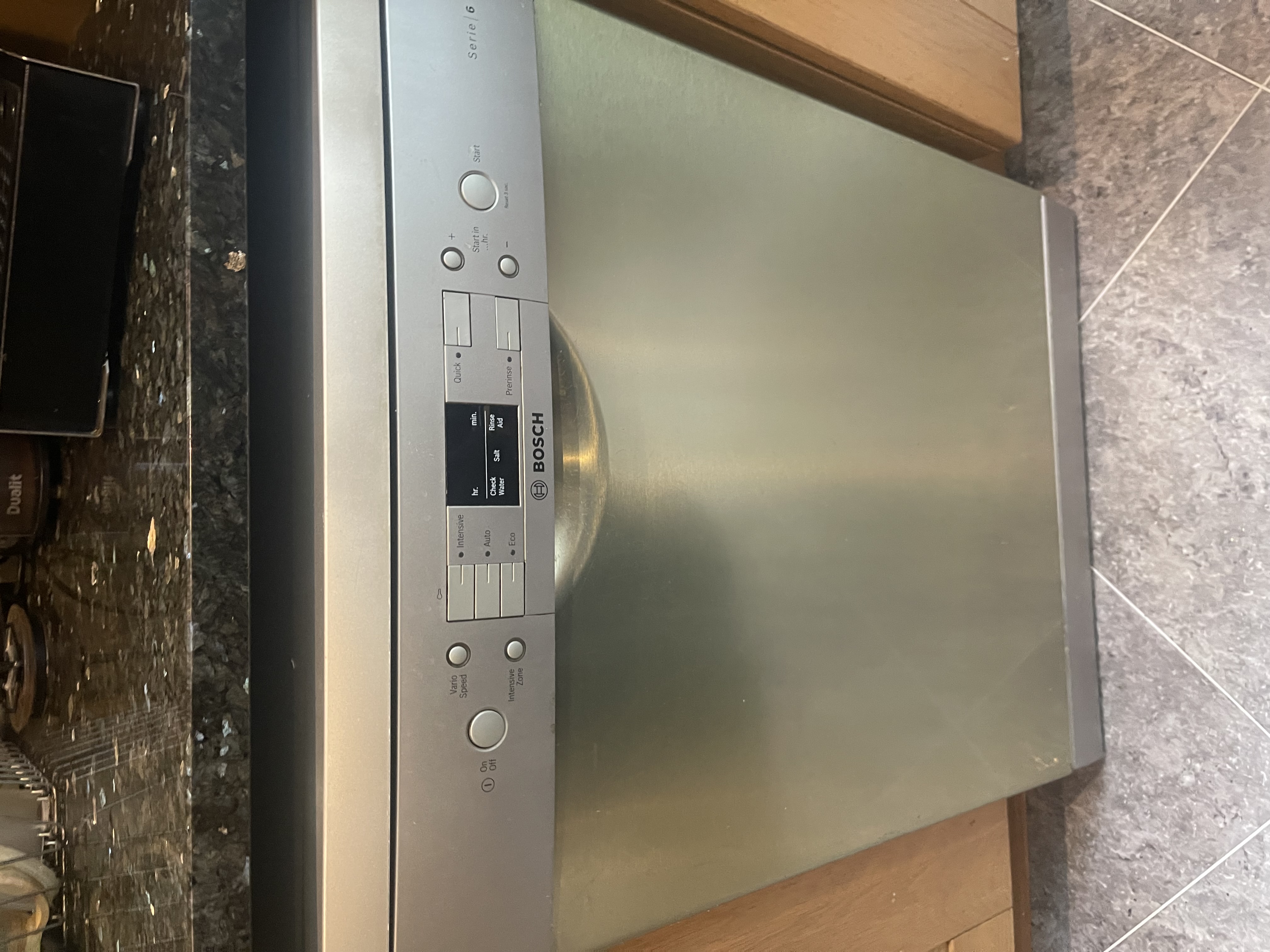
If your dishwasher seems to run for longer than it used to, or you've noticed your water and electricity bills creeping up, the appliance might be working harder than it should. One of the most common reasons a dishwasher using too much water and energy is a clogged or neglected filter. It's a small part doing a big job, and when it's blocked, the whole machine pays the price.
Here's how a dirty filter forces longer cycles, what it costs you, and how to put it right.
Why the filter matters so much
The filter's main job is to catch food particles and debris washed off your plates, stopping them from clogging the spray arms and the pump. When it's clean, water flows freely and the cycle does its work efficiently. When it's caked in grease and food, water flow is restricted, and the dishwasher has to work harder and longer to get the same result.
Most machines use one of two filter types, and some have both:
- A cylindrical filter
- A fine mesh filter
You'll usually find the filter at the bottom of the dishwasher, near the spray arm.
How a clogged filter pushes up your bills
A restricted filter doesn't just affect cleaning. It has a knock-on effect across the whole appliance. Here's what tends to happen when it gets neglected:
- Higher energy and water use. A clogged filter can prolong the cycle as the dishwasher struggles to clean your dishes. Longer cycles waste energy and pull in more water, which feeds straight into bigger utility bills.
- Poor cleaning performance. With water flow restricted, dishes can come out with food residue and stains, still needing a rinse or a second run.
- Unpleasant odours. Trapped food gives bacteria somewhere to thrive, creating a foul smell inside the machine. That odour can transfer to your dishes, leaving them smelling and tasting off.
- Damage to the dishwasher. A blocked filter strains the pump and motor as they fight to circulate water. Over time that wear and tear can lead to expensive faults and repairs.
- Hygiene concerns. Without proper cleaning and rinsing, harmful bacteria and pathogens may not be removed from your dishes during the cycle.
The good news is that cleaning the filter is straightforward, and it's the first thing worth doing if you're worried about running costs.
Before you start: a few safety points
- Make sure the dishwasher is unplugged or disconnected from the power supply.
- Take care, as there may be dirty water trapped in the filter when you lift it out.
- It's worth wearing gloves to protect your hands.
If you're new to working on appliances at home, our guide on how to safely isolate an appliance before a DIY repair is a useful read first.
How to clean your dishwasher filter step by step
- Check the manual. Find the filter and read any specific instructions or guidelines from the manufacturer.
- Prepare your workspace. Lay down a towel or mat to catch water and debris. Pop your gloves on.
- Open the dishwasher door. Open it fully to reach the filter, which sits at the bottom of the machine near the spray arm.
- Remove the lower rack. If your model has one, take it out to get at the filter more easily.
- Identify the filter. Locate the filter assembly. It's usually a cylindrical filter, a fine mesh filter, or both.
- Remove the filter assembly. Depending on the model, it will either twist or lift out. Follow the manufacturer's instructions and be careful of any trapped dirty water.
- Clean the filter. Take it to the sink and rinse under warm running water. Use a soft brush or an old toothbrush to shift stubborn debris, and make sure every part is thoroughly clean.
- Inspect and clean the housing. While the filter is out, check the filter housing inside the dishwasher and clear away any food particles that have built up there.
- Reassemble the filter. Refit the clean assembly following the manufacturer's instructions, and make sure it's securely seated.
- Replace the lower rack. Slide it carefully back in if you removed it.
- Close the door. Shut the dishwasher door securely.
- Run a test. Run a short cycle with the dishwasher empty to check everything is working as it should.
How often should you clean the filter?
Aim to do this at least once a month, and more often if you notice your dishwasher's performance dropping off. Staying on top of it keeps water flowing freely, helps your cycles finish in their proper time, and extends the life of the machine. Regular filter care is one of the simplest ways to keep running costs down.
When longer cycles mean something more
If you've cleaned the filter properly and your dishwasher is still underperforming, running on and on, or using more water and energy than it should, the problem is likely somewhere else. Prolonged cycles, poor draining and weak washing can all point to a fault with the pump, heater, water inlet or sensors.
That's where it makes sense to get a professional involved. A local NAC technician can assess what's going on and carry out a dishwasher repair if one's needed. We quote a clear service charge before an engineer attends, covering all labour, callout and VAT where applicable. If parts are required, we'll quote those separately before any work goes ahead, with no extra labour charges on top. Every repair comes with a guarantee, the length of which depends on the parts fitted (full details are in our terms and conditions).
We repair all makes and models, so whatever brand you own you can check the brands we repair or book a repair and get in touch. You can also call us on 0333 016 9622.
A clean filter is the cheapest fix for a thirsty dishwasher. If that doesn't sort it, don't keep paying for wasted water and energy month after month. Let us take a look and get your machine running efficiently again.
- dishwasher
- energy efficiency
- water usage
- running costs
Rather leave it to us?
- Fixed-price quote before any work starts
- Same or next-day visits where available
- UK-wide engineer coverage