












Dishwasher Salt Explained: Why It Matters & How to Refill
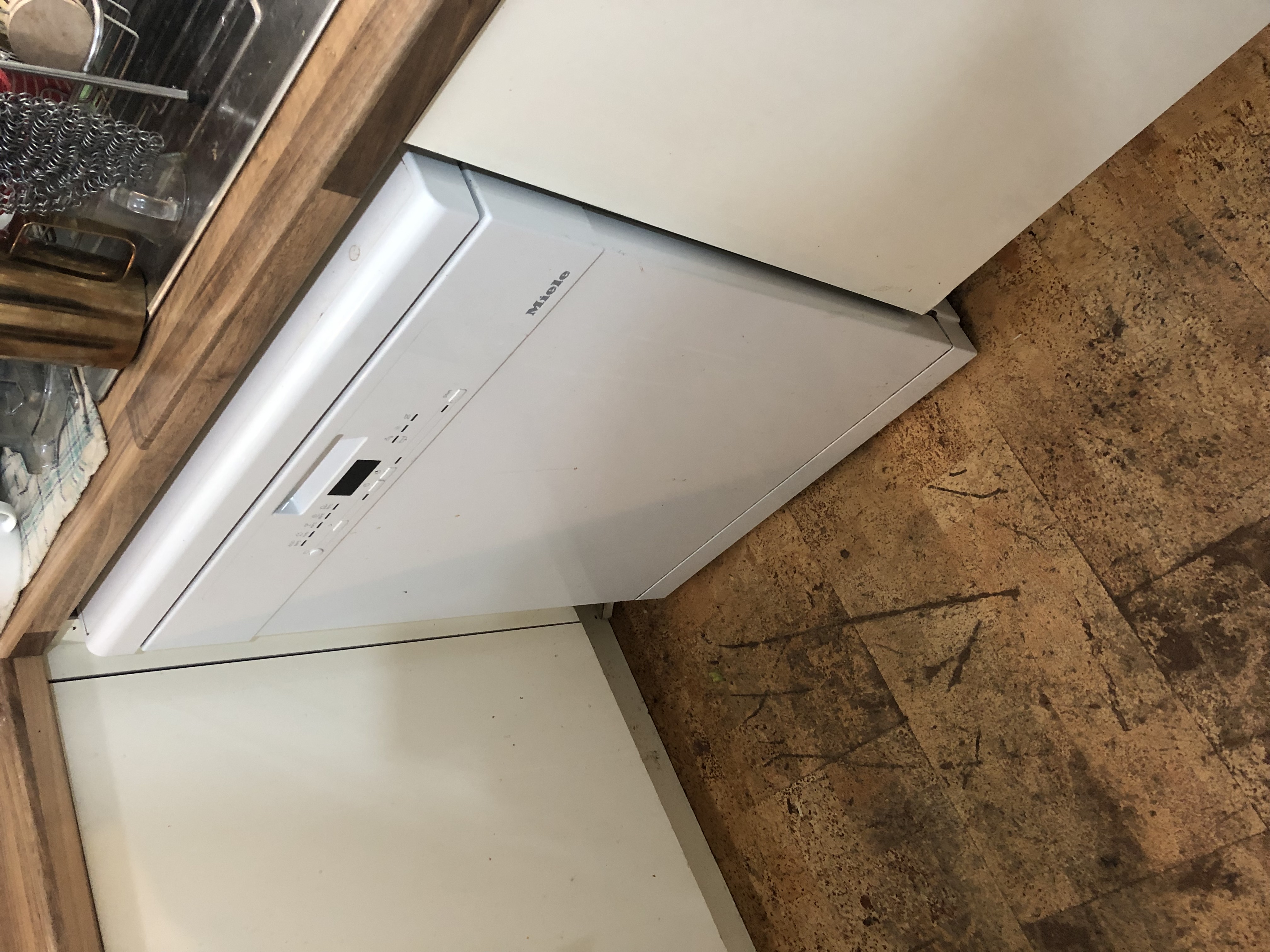
If you've ever wondered why your dishwasher has a separate compartment for salt, or whether you really need to bother topping it up, you're in good company. Dishwasher salt is one of those things people either forget about completely or assume the cheap stuff from the kitchen cupboard will do. Neither approach gives you clean, streak-free dishes. Here's what dishwasher salt actually does, why only the dishwasher-specific kind works, and exactly how to refill it.
What does dishwasher salt actually do?
Dishwashers, like washing machines, always wash best in soft water. Hard water carries dissolved minerals that leave deposits behind, and that's where your dishwasher's built-in water-softening system comes in.
Here's the part that surprises a lot of people: it isn't the salt itself that softens the water. Inside the salt chamber there's a special resin, and that resin is what converts hard water into soft water. Over time the resin gets used up by the job it's doing, so it needs to be cleaned and restored. That's the real job of the salt. As it periodically flows through the chamber, it cleans and regenerates the resin so it can keep softening your water.
Because of that regenerating role, the salt chamber is often called a regeneration unit.
The resin doesn't last forever, and it relies on dishwasher salt to keep being restored. If you never add salt directly into the chamber, the resin eventually depletes and stops working. Once that happens, hard water flows straight through the machine without being softened, and your washing results suffer.
Why ordinary salt won't do
Use only dishwasher salt, never table salt, cooking salt or any other kind. Dishwasher salt is made specifically for this purpose, with the right grain size and purity to regenerate the resin without clogging or damaging the system. Other salts can do more harm than good, so it's worth keeping a box of the proper stuff in the cupboard.
How to refill your dishwasher salt
Topping up the salt is a quick job once you know where the chamber is.
- Unscrew the salt chamber cap and add the salt. Open the dishwasher door and look at the base of the machine, usually just to the left of the filter. That's where you'll find the cap. New dishwashers come with a funnel to make pouring the salt in easier and less messy.
- Screw the cap back on. Make sure it's seated properly so no water gets in where it shouldn't.
- Run an empty quick wash. It's a good idea to put the machine through a short empty cycle straight after refilling. This rinses away any excess salt that's spilled inside the machine during topping up.
Many machines show a warning light on the front when the salt (or the rinse aid) is running low, so keep an eye out for that as a prompt to refill.
What about 3-in-1 tablets?
Combined 3-in-1 tablets bundle detergent, salt and rinse aid into one tab, which sounds like it removes the need for separate salt. Relying on them alone is only really sensible if you live somewhere with naturally perfect soft water.
In a hard water area where there's any amount of limescale around, don't lean on combined tablets by themselves. You still need to add dishwasher salt separately to keep the resin regenerated and your results good.
Getting the water hardness setting right
Your regeneration unit needs to be set to match the hardness of your local water, because that setting controls how often the resin is regenerated.
- Very hard water: the machine regenerates the resin more often, so it gets through salt more quickly.
- Soft water: the resin is regenerated less frequently, so a tank of salt lasts a lot longer.
Getting this wrong causes problems of its own. If the setting is too high for your water, too much salt ends up in the machine, and that can actually leave poor washing results. A classic sign of too much salt is small drop marks left on your items, especially glassware.
On most modern dishwashers you adjust the water hardness using the controls on the front of the machine. Some high-end models ask you to enter an exact hardness value. If yours does, get the correct figure from your local water authority rather than guessing.
When poor results mean a fault, not the salt
If you've topped up with the right salt, set the water hardness correctly and you're still getting cloudy glasses, gritty residue or generally poor washing, the cause may be a fault inside the appliance rather than anything you've done. A worn-out regeneration unit or another component issue can leave hard water flowing through unchecked.
That's when it's worth getting an engineer to take a look. You can book a visit using the Book A Repair button on our website, or call NAC on 0333 016 9622. We quote a service charge up front that covers all labour, callout and VAT where applicable, with parts quoted separately for your approval before any work is done. Repairs come with a guarantee, and our engineers are trained to work on any make and model.
While you're keeping on top of appliance care, you might also find our how to safely isolate an appliance before a DIY repair guide useful, and you can see the full range of appliances we cover on our services page.
- dishwasher salt
- maintenance
- hard water
- how to
Rather leave it to us?
- Fixed-price quote before any work starts
- Same or next-day visits where available
- UK-wide engineer coverage