












Dishwasher Rinse Aid: Why It Matters and How to Refill It
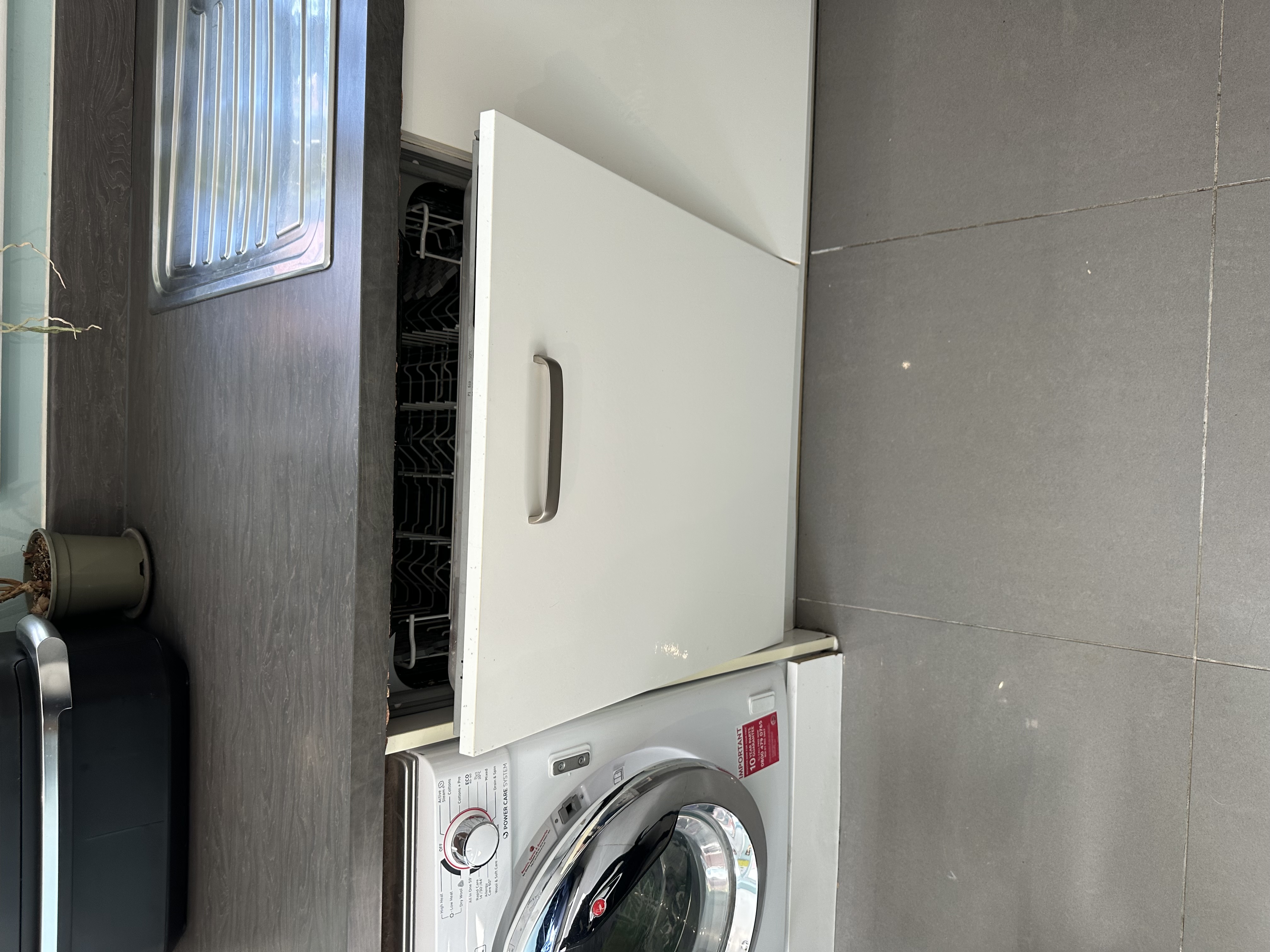
If your plates and glasses come out of the dishwasher damp or covered in watermarks, the first thing worth checking is your rinse aid. It's one of the most overlooked parts of getting dishes to dry properly, yet it makes a genuine difference to the results. Here's what dishwasher rinse aid actually does, how to refill it correctly, and how it works alongside the way your machine dries.
What dishwasher rinse aid actually does
Rinse aid breaks up the surface tension in the water. That sounds technical, but the effect is simple: instead of clinging to your dishes in droplets that dry into spots and streaks, the water runs off in large sheets and falls away.
This works hand in hand with the heat trapped inside the machine at the end of a cycle. Together, the rinse aid and that retained warmth stop water sitting on your items so they come out dry rather than spotted. Without rinse aid, water has nothing to break its grip on the surface, and poor drying is one of the most common results.
A little goes a long way, too. Once you've topped up the dispenser, it isn't all used in a single wash. Depending on how often you run the machine, a refill can last several weeks or even months.
Why a separate rinse aid beats an all-in-one tablet
Many people rely on combined tablets that claim to include rinse aid, salt and detergent in one. They're convenient, but we'd always recommend using rinse aid as a separate component instead.
The reason is control. With a dedicated dispenser, the machine releases the right amount of rinse aid at the right point in the cycle, and you can adjust how much it uses. An all-in-one tablet can't fine-tune that, so drying tends to suffer. If you've switched to tablets and noticed your dishes coming out wetter than before, this is often why.
How to refill the rinse aid in your dishwasher
Topping up rinse aid takes a couple of minutes. Here's how to do it properly.
- Open the dishwasher and lie the door flat. The rinse aid dispenser is on the back of the door, usually near the detergent compartment.
- Open the rinse aid cap and pour the rinse aid into the compartment. Remember it won't all be used in one go, so a single fill should last several weeks or months.
- Wipe away any excess with a cloth. Clean up any rinse aid that has spilled around the outside of the compartment. Too much rinse aid loose inside the machine causes oversudsing, where far too much foam builds up.
- Check the water hardness setting is correct. This setting determines how much rinse aid the machine dispenses. Set it right and you'll avoid problems at both ends of the scale: too much rinse aid creates excess foam, while too little leaves you with drying problems.
A quick word on getting the balance right
Getting rinse aid wrong in either direction causes issues, so it's worth keeping these in mind:
- Too much rinse aid leads to oversudsing, with excessive foam created inside the machine.
- Too little rinse aid leaves water clinging to your dishes, so they don't dry properly.
- The water hardness setting controls how much is dispensed, so make sure it matches your local water and is set correctly.
How dishwasher drying really works
Rinse aid is only half the story. It helps to understand how your dishwasher dries in the first place.
At the end of the rinsing and drying stage, the machine heats everything inside: the cabinet, the carcass, glassware, ceramics and metal items. It's the heat trapped in those items that does the drying once the programme finishes. Rinse aid simply makes sure the water sheets off rather than holding on.
Open the door at the end of the cycle
When the programme ends, leave the door open slightly for a short while. This lets the steam escape and allows everything to cool quickly, which finishes the drying process off nicely.
If you leave the door shut for a long time instead, that trapped heat cools and condenses back into water, leaving your dishes wet again. For that reason, it's best to avoid running the dishwasher overnight or while you're out of the house for hours on end.
Some high-end dishwashers have a mechanism that opens the door automatically at the end of a cycle. Many, though, still need you to open it yourself, so it's a good habit to get into.
Why plastic stays wet
If your plastic items come out wet even when everything else is dry, that's normal. Plastic doesn't hold heat the way glass, ceramic and metal do, so there's nothing to drive off the moisture. Your plastics will be perfectly clean, but they'll always come out wet at the end of a cycle.
Still getting poor drying results?
If you've topped up the rinse aid, checked the water hardness setting and you're opening the door at the end of each cycle, but your dishes are still coming out wet, there may be a fault that needs a closer look. A heating element, sensor or other component could be at the root of it.
That's where we can help. Our engineers repair dishwashers of every make, and we'll quote a service charge before anyone attends that covers all labour, callout and VAT where applicable. If any parts are needed, we'll quote those separately before carrying out the work, with no extra labour charge on top. Every repair comes with a guarantee, the length of which depends on the parts fitted (see our Terms & Conditions for details).
To get a persistent drying problem sorted, book a repair using the Book A Repair button on our website, or call us on 0333 016 9622. You can also check the brands we repair and the areas we cover before you get in touch.
- rinse aid
- dishwasher drying
- streak-free dishes
- dishwasher maintenance
Rather leave it to us?
- Fixed-price quote before any work starts
- Same or next-day visits where available
- UK-wide engineer coverage