












Why Your Dishwasher Isn't Cleaning Dishes Properly
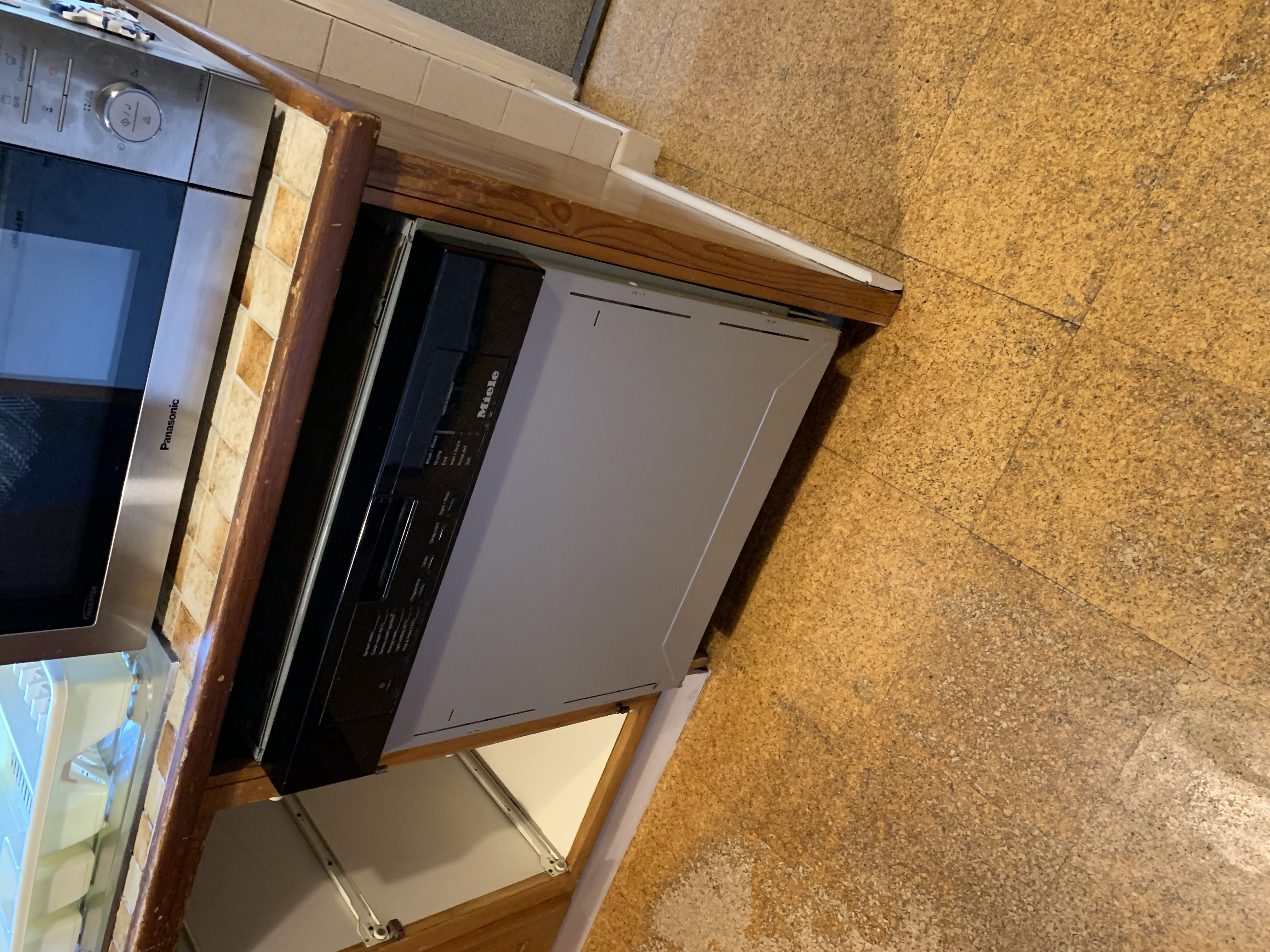
Pulling out a load of dishes that still have bits of food stuck to them is frustrating, especially when the machine has just finished a full cycle. A dishwasher not cleaning properly is one of the most common complaints we hear, and the good news is that a fair few of the causes are things you can sort out yourself in under half an hour.
Below we'll walk through the usual culprits, from a clogged filter restricting water flow to blocked spray arms, loading mistakes and detergent issues. We'll also explain exactly how to clean your filter step by step, and when it's worth calling in an engineer.
What 'not cleaning' usually points to
A dishwasher relies on water being sprayed at the right pressure, mixed with detergent, and circulated cleanly around the dishes. When food residue, streaks or cloudy marks keep appearing, it nearly always comes down to one of these:
- A blocked or dirty filter restricting water flow
- Spray arms that can't spin freely or have clogged jets
- Dishes loaded in a way that blocks the spray
- The wrong detergent, too little of it, or detergent that's gone hard
- A build-up of grease and limescale inside the machine
Let's take them one at a time.
The filter: the most likely cause
The filter sits at the bottom of the dishwasher, near the spray arm, and its job is to capture food particles and debris from your dishes so they don't clog the spray arms and pump. When it gets blocked, it restricts the flow of water around the machine, and that's when dishes start coming out with food residue and stains still on them.
Neglecting the filter doesn't just leave dishes dirty. It tends to snowball into other problems:
- Poor cleaning performance. A clogged filter restricts water flow, so dishes aren't properly cleaned or rinsed and food residue and stains are left behind.
- Unpleasant odours. Food trapped in a dirty filter becomes a breeding ground for bacteria, creating foul smells inside the machine that can transfer to your dishes.
- Damage to the dishwasher. A clogged filter strains the pump and motor as they work harder to circulate water, causing wear over time and potentially expensive repairs.
- Hygiene concerns. Without proper cleaning and rinsing, harmful bacteria and pathogens may not be effectively removed from your dishes.
- Higher energy and water use. A struggling machine runs longer, wasting energy and water, which pushes up your utility bills.
Most dishwashers have either a cylindrical filter, a fine mesh filter, or both. If you're not sure which yours has, your manual will tell you.
How to clean the dishwasher filter
Before you start, make sure the dishwasher is unplugged or disconnected from the power. Pop on a pair of gloves to protect your hands, and be aware there may be dirty water trapped in the filter.
You'll want a towel or mat, gloves, a soft brush or toothbrush, and access to a sink with warm running water.
- Check the manual. Refer to your dishwasher's user manual to locate the filter and follow any specific instructions from the manufacturer.
- Prepare your workspace. Lay down a towel or mat to catch any water or debris.
- Open the door fully to get at the filter, which sits at the bottom near the spray arm.
- Remove the lower rack if your machine has one, so you can reach the filter more easily.
- Identify the filter. Look for the cylindrical filter, the fine mesh filter, or both.
- Remove the filter assembly. Depending on the model it will either twist or lift out. Follow the manufacturer's instructions and take care, as there may be dirty water sitting in it.
- Clean the filter. Rinse it at the sink under warm running water and use a soft brush or toothbrush to lift any stubborn debris. Make sure every part is thoroughly clean.
- Inspect and clean the filter housing. While the filter is out, clear any food particles that have built up in the housing inside the dishwasher.
- Reassemble the filter. Put it back in according to the manufacturer's instructions and make sure it's securely in place.
- Replace the lower rack by sliding it carefully back in.
- Close the door securely.
- Run a test cycle with the dishwasher empty to check the filter is doing its job.
Make this part of your routine. Cleaning the filter at least once a month, or more often if you spot a drop in performance, keeps the machine cleaning well and extends its lifespan.
Blocked or stuck spray arms
The spray arms fling water around the dishwasher, so if their jets are clogged with food or limescale, the water can't reach everything. Give the arms a gentle spin with your hand to check they rotate freely. If something is jamming them, or a tall item from the rack is catching them, the spray pattern won't cover the whole load.
Take the arms off if your model allows, and clear each small hole with a cocktail stick or fine brush, then rinse them through. Refit them and make sure they turn without catching.
How you load the dishwasher matters
Loading is an easy thing to overlook. Water needs a clear path to every surface, so a few habits make a real difference:
- Don't overload, and leave gaps so water can circulate.
- Angle bowls, cups and glasses downwards so they don't trap water or shield other items.
- Keep large pans and trays from blocking the spray arms.
- Place heavily soiled items facing the centre, where the spray is strongest.
- Scrape off larger food scraps before loading, which also keeps your filter cleaner for longer.
Detergent and rinse aid issues
If everything else looks fine, turn your attention to what's going into the machine. Detergent that has gone hard or damp won't dissolve properly, and the wrong dose for the cycle or your water hardness leaves a poor result. Cloudy glasses and streaks often point to a lack of rinse aid or hard water, while a film of residue can mean too much detergent.
Try a fresh box of detergent, top up the rinse aid, and check the salt level if your machine uses dishwasher salt. Running an empty hot cycle with a dishwasher cleaner now and then helps shift grease and limescale that build up inside.
When to call an engineer
If you've cleaned the filter, cleared the spray arms, sorted the loading and checked your detergent, and the dishwasher is still leaving dishes dirty, the problem is likely something else inside the machine. A worn pump, a faulty heating element that isn't getting the water hot enough, or a circulation fault can all cause poor cleaning, and these need a proper diagnosis.
NAC engineers repair all makes of dishwasher and regularly deal with dishes remaining dirty, doors not closing, leaks and excessive noise. We quote a service charge before an engineer attends, which covers all labour, callout and VAT where applicable. If any parts are needed we'll quote those separately before doing the work, and there's no extra labour charge on top. Every repair comes with a guarantee, with the length depending on the parts fitted and covered under our terms and conditions.
We're a family run business with over 40 years of experience, offering same and next day repairs with no hidden charges. To get your dishwasher looked at, book a repair or get in touch, take a look at our appliance repair services, or check we cover your service area. You can also see the full list of brands we repair.
Call us on 0333 016 9622 and we'll get your dishwasher cleaning properly again.
- dishwasher
- poor cleaning
- troubleshooting
- food residue
Rather leave it to us?
- Fixed-price quote before any work starts
- Same or next-day visits where available
- UK-wide engineer coverage