












Dishwasher Not Cleaning Dishes Properly? Here's Why
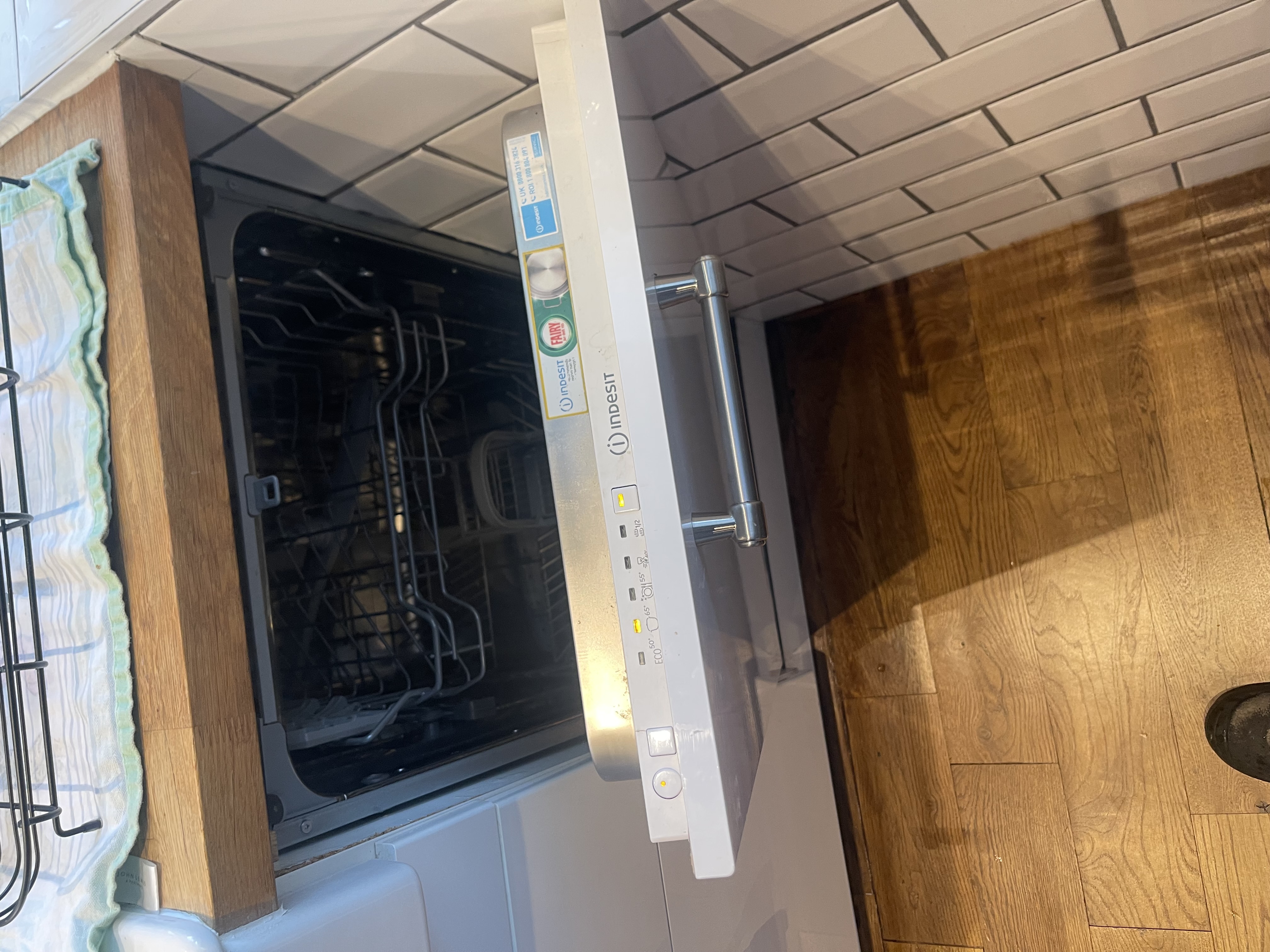
Pulling clean-looking plates out of the cupboard is the whole point of owning a dishwasher. So when a cycle finishes and the glasses are cloudy, the cutlery feels gritty and there's dried-on food still clinging to your bowls, it's frustrating. The good news is that a dishwasher not cleaning dishes properly is often down to something simple you can check yourself in a few minutes. Below we walk through the usual culprits, the checks you can safely do at home, and the point where it's worth booking a repair.
First, rule out the easy stuff
Before you assume the machine is faulty, it pays to look at how it's being used and loaded. A surprising number of "dishwasher not cleaning" complaints come down to habits rather than hardware.
- Overloading. Cramming in too many items blocks water from reaching every surface. Plates that overlap or nest together will always come out patchy.
- Items shielding each other. Large pots, baking trays or chopping boards laid flat can act like an umbrella, stopping spray reaching the dishes behind them.
- Items blocking the spray arms. A tall utensil or a handle poking through the basket can stop a spray arm spinning. If the arms can't turn, large areas of the load get no water at all.
- Heavily baked-on food. Dishwashers handle everyday residue well, but burnt-on or set-hard food sometimes needs a quick scrape or rinse first.
Try spacing things out, keeping bowls and cups angled downwards, and giving the spray arms a gentle spin by hand before you close the door. If everything moves freely and the load isn't packed solid, move on to the checks below.
Check and clean the spray arms
The spray arms are the rotating bars that fling water around the cabinet. Over time the small jet holes get clogged with food debris, grease and limescale, which weakens the spray pattern and leaves whole sections of the load dirty.
- Lift out the lower and upper spray arms (most pull off or unscrew by hand, but check your manual).
- Hold each one up to the light and look at the jet holes. Anything blocked needs clearing.
- Use a cocktail stick, a toothpick or a thin wire to poke out debris from each hole, then rinse the arm under the tap.
- Refit the arms and make sure they spin freely with nothing catching.
If an arm still won't turn smoothly after cleaning, the bearing or mounting may be worn, which is a repair job rather than a clean.
Clean the filter
The filter at the base of the dishwasher catches food particles so they don't get pumped back over your dishes. When it clogs, dirty water recirculates and your plates come out worse than when they went in. A blocked filter is one of the most common reasons a dishwasher stops cleaning well.
- Remove the bottom basket to expose the filter (usually a cylindrical mesh you twist to release).
- Rinse it under a hot tap and use a soft brush, an old toothbrush is ideal, to clear trapped food and grease.
- Wipe round the filter housing while it's out, as gunk often builds up underneath.
- Drop the filter back in and twist it to lock. A loose filter lets debris straight back into the system.
Make this a regular habit, ideally every week or two if you use the machine daily.
Watch out for hard water and limescale
If you live in a hard water area, mineral deposits build up inside the machine and on your glassware, leaving a cloudy white film and dulling the wash. Hot water and detergents are working against scale every cycle, so it pays to manage it.
- Keep the salt reservoir topped up if your machine has one, and set the water hardness correctly.
- Use rinse aid to help water sheet off the dishes rather than drying into spots.
- Run an occasional maintenance wash with a dishwasher cleaner or descaler to clear scale from the internal pipework and spray arms.
Make sure the water is getting hot enough
Dishwashers rely on hot water to dissolve detergent and shift grease. If the wash water never gets up to temperature, detergent won't activate properly and fatty residue gets left behind. Low temperature can be down to the wrong cycle being selected (eco and quick programmes run cooler) or a heating fault inside the machine. If you've tried a hotter, longer programme and the dishes still come out greasy and cool, the heating element or its control may have failed and that needs an engineer.
Use the right detergent, and the right amount
Tired or damp tablets, too little detergent, or a detergent that doesn't suit your water can all leave dishes dirty. Store tablets somewhere dry, don't skimp on the dose, and check the dispenser flap actually opens during the cycle. If detergent is left sitting in the dispenser at the end of a wash, something stopped it releasing and that's worth investigating.
When it points to a fault inside the machine
If you've cleaned the filter and spray arms, sorted the loading, ruled out hard water and used a hot cycle with fresh detergent, but the dishes are still coming out dirty, the problem is likely mechanical. Common internal causes include:
- A worn or weak circulation pump that can't push water around with enough force.
- A drain or blockage problem leaving dirty water in the base.
- A heating fault so the water never reaches cleaning temperature.
These are jobs for a qualified appliance engineer rather than a DIY fix. A dishwasher repair can also address related symptoms such as a door that won't close, leaks and excessive noise, so it's worth getting the machine properly diagnosed rather than guessing.
A note on leaks and the door seal
While you're checking the machine, glance at the rubber door seal. Water pooling around the dishwasher or leaking onto the kitchen floor often means the seal has perished or come loose. Seals wear over time thanks to constant use, hot water and detergents, and they can also be damaged by knocks from utensils or harsh chemicals. A damaged seal won't stop your dishes getting clean on its own, but it's worth fixing alongside any other issue, and it's another job our engineers can handle.
How NAC can help
NAC (Domestic Appliances) Ltd is a family-run business, founded by husband and wife team Adrian and Amanda with over 40 years of experience between them. Our engineers are fully trained to work on every make and model, including brands like AEG, Beko, Bosch, Daewoo, Hotpoint, LG, Miele, Neff, Samsung, Siemens, Whirlpool and Zanussi.
When you book a dishwasher repair with us:
- We quote a service charge before an engineer attends. That covers all labour, the callout and VAT where applicable.
- The only possible extra is parts, if any are needed, and we quote those separately and get your go-ahead before any work is done. There's no additional labour charge on top.
- All our repairs are guaranteed, with the guarantee length depending on the parts fitted and covered under our terms and conditions.
- We aim to send an engineer the same day you report the fault, or the next day where possible.
No hidden charges, no surprises, just a clear answer on why your dishwasher isn't cleaning and a proper fix.
Still got dirty dishes after trying the checks above? Book a dishwasher repair or call us on 0333 016 9622 and we'll get it sorted. You can also see the full range of appliance services we offer and check our service areas to find help near you.
- dishwasher
- cleaning
- spray arms
- maintenance
Rather leave it to us?
- Fixed-price quote before any work starts
- Same or next-day visits where available
- UK-wide engineer coverage