












Dishwasher Maintenance Checklist to Extend Its Lifespan
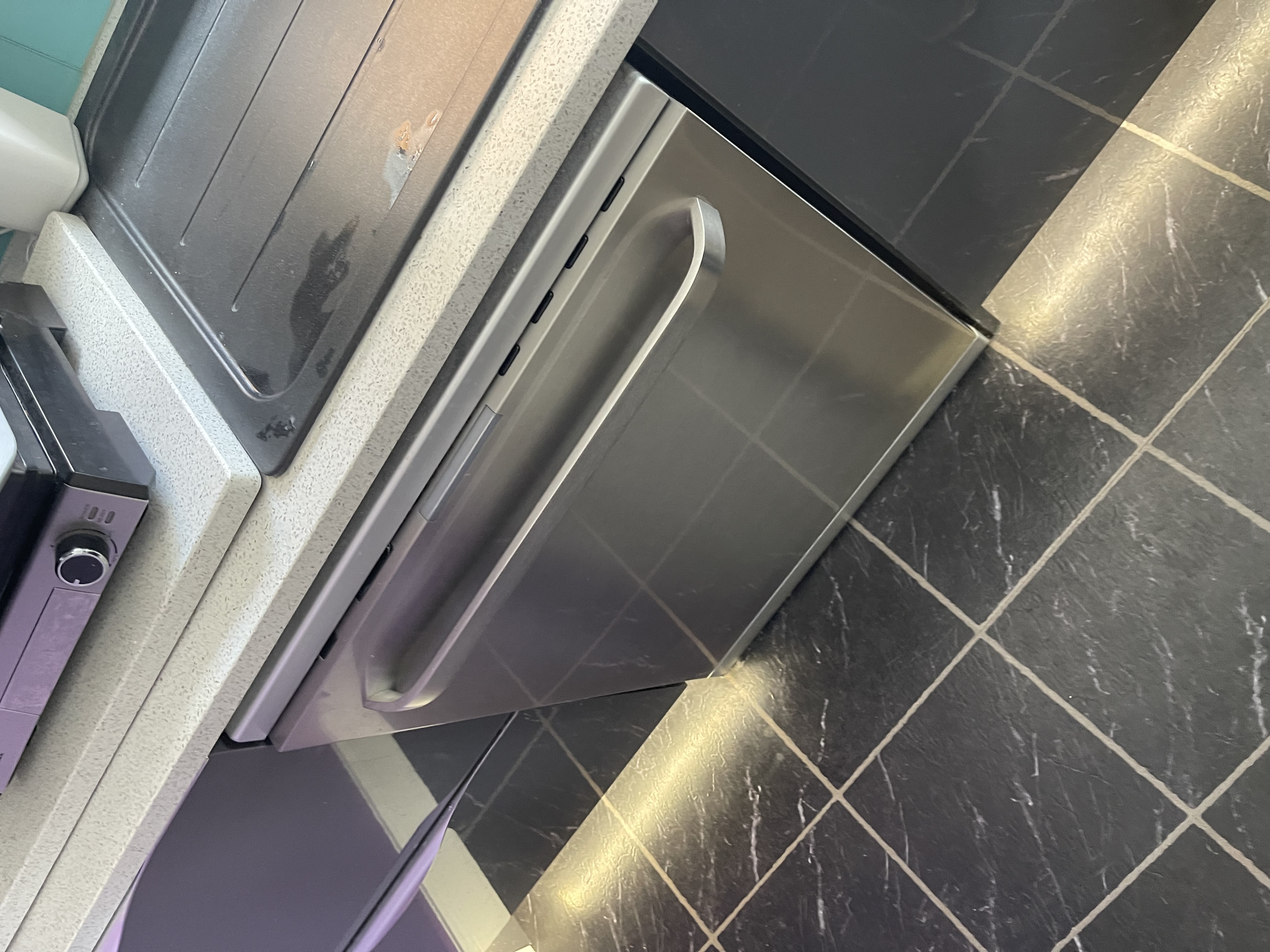
A dishwasher does a lot of quiet work, and most of us only think about it the day it stops cleaning properly. A bit of regular dishwasher maintenance changes that. Spend ten minutes a month on a few simple checks and you'll get cleaner dishes, fewer odours and a machine that lasts longer before it ever needs an engineer.
This guide walks through a practical routine you can follow at home, starting with the part that causes the most trouble when it's ignored: the filter.
Why the filter matters more than you'd think
The filter sits at the heart of how your dishwasher cleans. Its job is to catch food particles and debris washed off your plates, stopping them from clogging the spray arms and pump. Look after it and the whole machine runs more smoothly. Leave it blocked and the problems stack up quickly.
Here's what tends to happen when a filter is neglected:
- Poor cleaning performance. A clogged filter restricts water flow inside the machine. The result is dishes that come out with food residue and stains still on them, not properly cleaned or rinsed.
- Unpleasant odours. Trapped food becomes a breeding ground for bacteria, which creates a foul smell inside the dishwasher. That smell can transfer onto your dishes, leaving them tasting and smelling off.
- Damage to the dishwasher. When water can't circulate freely, the pump and motor have to work harder. Over time that extra strain causes wear and tear on those key components, and that can lead to expensive damage and repairs.
- Hygiene concerns. Without proper cleaning and rinsing, harmful bacteria and pathogens may not be removed from your dishes during the wash.
- Higher energy and water bills. A struggling machine runs longer to get dishes clean, wasting both electricity and water, which pushes your utility costs up.
That list is the real reason filter cleaning sits at the top of any maintenance checklist. It protects the parts that are costly to replace.
Where the filter is and what type you have
The filter is usually at the bottom of the dishwasher, near the spray arm. Most machines use one of two designs, and some have both:
- A cylindrical filter
- A fine mesh filter
Knowing which you've got helps you understand how it lifts or twists out, but your manual will confirm the exact arrangement for your model.
How to clean your dishwasher filter
Before you start, make sure the dishwasher is unplugged or disconnected from the power for safety. If you want a refresher on doing this properly, see our guide on how to safely isolate an appliance before a DIY repair.
You'll need a towel or mat, a soft brush or toothbrush, warm running water and, if you'd rather, a pair of gloves to keep your hands clean.
- Consult the manual. Check your dishwasher's user manual to locate the filter and read any specific instructions from the manufacturer.
- Prepare your workspace. Lay down a towel or mat to catch any water or debris. Pop on gloves if you'd prefer to protect your hands.
- Open the dishwasher door. Open it fully to reach the filter, which sits at the bottom near the spray arm.
- Remove the lower rack. If your machine has a lower rack, slide it out so you can get to the filter more easily.
- Identify the filter. Find the filter assembly. Remember there's usually a cylindrical filter and a fine mesh filter, and some machines have both.
- Remove the filter assembly. Depending on the model, it may twist or lift out. Follow the manufacturer's instructions to take it out safely, and go gently as there may be dirty water trapped inside.
- Clean the filter. Take it to the sink and rinse it under warm running water. Use a soft brush or toothbrush to work off any stubborn debris or residue, making sure every part is thoroughly clean.
- Inspect and clean the filter housing. While the filter is out, check the housing inside the dishwasher and clear away any food particles or debris that have built up there.
- Reassemble the filter. Once it's clean, refit it according to the manufacturer's instructions and make sure it's securely seated.
- Replace the lower rack. Slide the rack carefully back into place if you removed it.
- Close the dishwasher door. Shut it securely.
- Run a test cycle. Run a short cycle with the dishwasher empty to check the filter is working as it should.
- Keep it regular. Repeat this at least once a month, or more often if you notice the cleaning starting to slip.
The wider monthly checklist
The filter is the priority, but a few other quick jobs keep the whole machine in good shape and reduce the load on the pump and motor.
Check and wipe the door seal
The rubber gasket around the door catches grease, food and limescale. Wipe it with a damp cloth so it stays clean and seals properly. A grubby or perished seal can let water escape and traps smells, so it's worth a look every month.
Clean the spray arms
The spray arms have small holes that can clog with bits of food and limescale, which weakens the spray and leaves dishes dirty. Check the holes are clear and poke out any blockages with a cocktail stick or fine brush.
Top up dishwasher salt and rinse aid
If your machine uses salt, keeping the reservoir topped up softens the water and helps prevent limescale building up on the heating element and inside the pump. Rinse aid helps dishes dry and stops streaking. Both reduce the strain that hard water and residue put on the machine over time.
Run a maintenance wash
Every month or so, run an empty hot cycle to clear away grease and odour from places you can't easily reach. A dishwasher cleaner or a cycle on the hottest setting helps shift the build-up that gradually clogs the system.
Look out for early warning signs
Cloudy glasses, a lingering smell, standing water in the base or longer-than-usual cycles all point to something that needs attention. Catching these early usually means a smaller, cheaper fix than ignoring them until the pump or motor fails.
How regular care saves you money
Most of the expensive dishwasher repairs we see come down to components that have been overworked. A blocked filter, clogged spray arms or limescale all force the pump and motor to push harder for longer. That extra effort wears them out faster. Keeping water flowing freely lets those parts do their job easily, which is the simplest way to add years to the appliance's life and avoid a bill you didn't see coming.
When maintenance isn't enough
If your dishwasher is still underperforming after you've cleaned the filter and worked through the checklist, the cause is likely something else inside the machine. A local NAC technician can assess the fault and carry out a dishwasher repair if needed.
We're a family run business with over 40 years of experience, and we aim for same and next day repairs. Before any engineer attends, we quote a service charge that covers all labour, the callout and VAT where it applies. The only possible extra is parts, and if any are needed we'll quote those separately for your approval before we do the work, with no further labour charge on top. Every repair is guaranteed, with the exact length depending on the parts fitted and our terms and conditions.
To book a repair, call us on 0333 016 9622 or get in touch through our contact page. You can check we cover your area on our service areas page and see the brands we repair too.
A little maintenance now is the easiest way to keep your dishwasher cleaning well and avoid the bigger problems down the line.
- dishwasher
- maintenance
- lifespan
- routine care
Rather leave it to us?
- Fixed-price quote before any work starts
- Same or next-day visits where available
- UK-wide engineer coverage