












Why Is My Dishwasher Leaking Water From the Door?
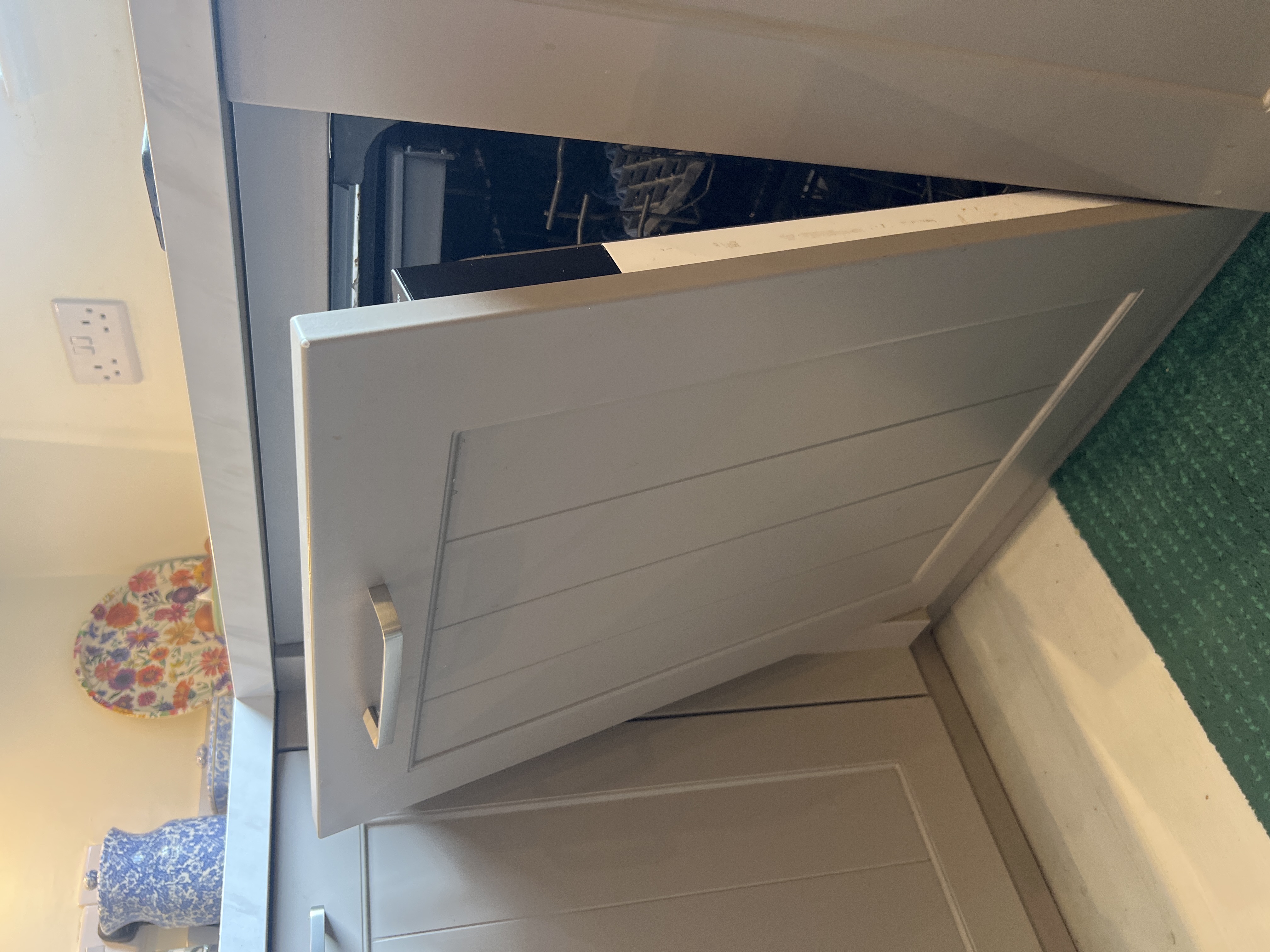
Finding a puddle in front of the dishwasher is one of those problems that always seems to happen mid cycle, when you can hear water sloshing about and there's nothing you can do but watch it spread across the kitchen floor. A dishwasher leaking from the door is rarely a mystery once you know where to look, and a fair few of the causes are things you can check and sort yourself before calling anyone out.
Below we'll walk through the usual reasons water escapes from the door, the safe checks you can do at home, and when it's worth booking an engineer.
First, a quick safety note
Water and electricity don't mix, so before you start poking around, turn the dishwasher off at the socket and mop up any standing water. If you're going to open it up or pull it out from under the worktop, isolate it properly first. Our guide on how to safely isolate an appliance before a DIY repair explains exactly how to do that.
Too much foam: oversudsing is a common culprit
If you've ruled out an obvious split or a loose pipe, foam is one of the most overlooked reasons a dishwasher leaks from the door. An oversudsing problem is simply where too much foam builds up inside the machine. Foam expands, finds the path of least resistance, and that often means working its way past the door and onto your floor.
There are a few things that cause excess foam:
- Too much rinse aid in the machine. When there's more rinse aid than the wash needs, you get too much foam.
- Excess rinse aid left around the dispenser. Spilt or smeared rinse aid around the outside of the compartment adds to the problem.
- An incorrect water hardness setting. The water hardness setting controls how much rinse aid the machine dispenses. If it's set wrong, the dishwasher can release too much rinse aid, and too much rinse aid creates excess foam.
How to stop the foam
Getting rinse aid right makes a real difference. The dispenser sits on the back of the dishwasher door, and it's worth knowing that a single top up isn't used in one go. It can last several weeks or even months, so you don't need to refill it every wash.
When you do replenish it, do it carefully:
- Open the dishwasher, lie the door flat and find the dispenser on the back of the door.
- Open the rinse aid cap and pour the rinse aid into the compartment. Remember it isn't all used in one wash, so there's no need to overfill.
- Wipe away any excess rinse aid from around the outside of the compartment with a cloth. Spilt rinse aid left in the machine will cause that oversudsing problem and the extra foam that comes with it.
- Check the water hardness setting is correct, because this determines how much rinse aid is dispensed. Too much rinse aid creates excess foam, while too little leads to drying problems instead.
It's a balance. If you've been using combined tablets and noticing foam or poor drying, using rinse aid as a separate component gives you more control over how much goes in.
A damaged or dirty door seal
The rubber gasket that runs around the door opening is what keeps water inside the cabinet during a wash. Over time these seals can perish, split, or work loose, and any of that lets water seep out at the front.
Give the seal a proper look:
- Run your finger around it feeling for splits, hardened patches or sections that have come away.
- Check for trapped food debris, grease or limescale, which can stop the seal sitting flush.
- Wipe it clean with a damp cloth and see if that improves the seal when the door shuts.
A seal that's simply grubby can often be brought back with a good clean. One that's torn or distorted will need replacing, and that's a job best left to an engineer who can fit the right part.
Overloading or badly stacked items
It sounds minor, but how you load the machine matters. A tall pan, a baking tray or a chopping board leaning against the door can deflect the spray and channel water straight at the door seal. Cramming the racks too full has the same effect.
Before you assume the worst, run a normal load and make sure nothing is blocking the door or sticking out past the racks. Keep the spray arms free to spin as well, because water bouncing off an obstruction has to go somewhere.
Door alignment and how it closes
If the door isn't sitting square against the cabinet, the seal can't do its job. This is more common in integrated dishwashers where the door has been fitted with a kitchen panel, and the weight or balance is slightly off. A door that drops, doesn't latch cleanly, or feels like it needs a firm shove to close can let water past one corner.
Have a look at how the door meets the body of the machine. If there's an obvious gap on one side, or the catch isn't engaging properly, the hinges or door springs may need adjusting or replacing.
When to call in an engineer
Plenty of door leaks come down to foam, a dirty seal or the way the machine has been loaded, and those are well within reach of a careful homeowner. But if you've checked all of the above and water is still escaping, the cause is likely internal: a damaged seal, worn hinges, or a fault elsewhere that's forcing water towards the door.
That's where we come in. NAC repairs dishwashers of any make, and our engineers are fully trained across all the brands and appliances we cover. We quote a clear service charge before anyone attends, which covers all the labour, the callout and VAT where it applies. If parts are needed, we'll quote those separately and get your go ahead first, and there's no extra labour charge on top. Every repair comes with a guarantee, with the length depending on the parts fitted and set out in our terms and conditions.
To get a leaking dishwasher sorted, book a repair or get in touch and we'll arrange a visit. You can also call us on 0333 016 9622 if you'd rather talk it through first.
For more appliance help, browse our other repair guides and services.
- dishwasher leak
- door seal
- leaking dishwasher
- dishwasher faults
Rather leave it to us?
- Fixed-price quote before any work starts
- Same or next-day visits where available
- UK-wide engineer coverage