












Why Is My Dishwasher Leaking From the Door?
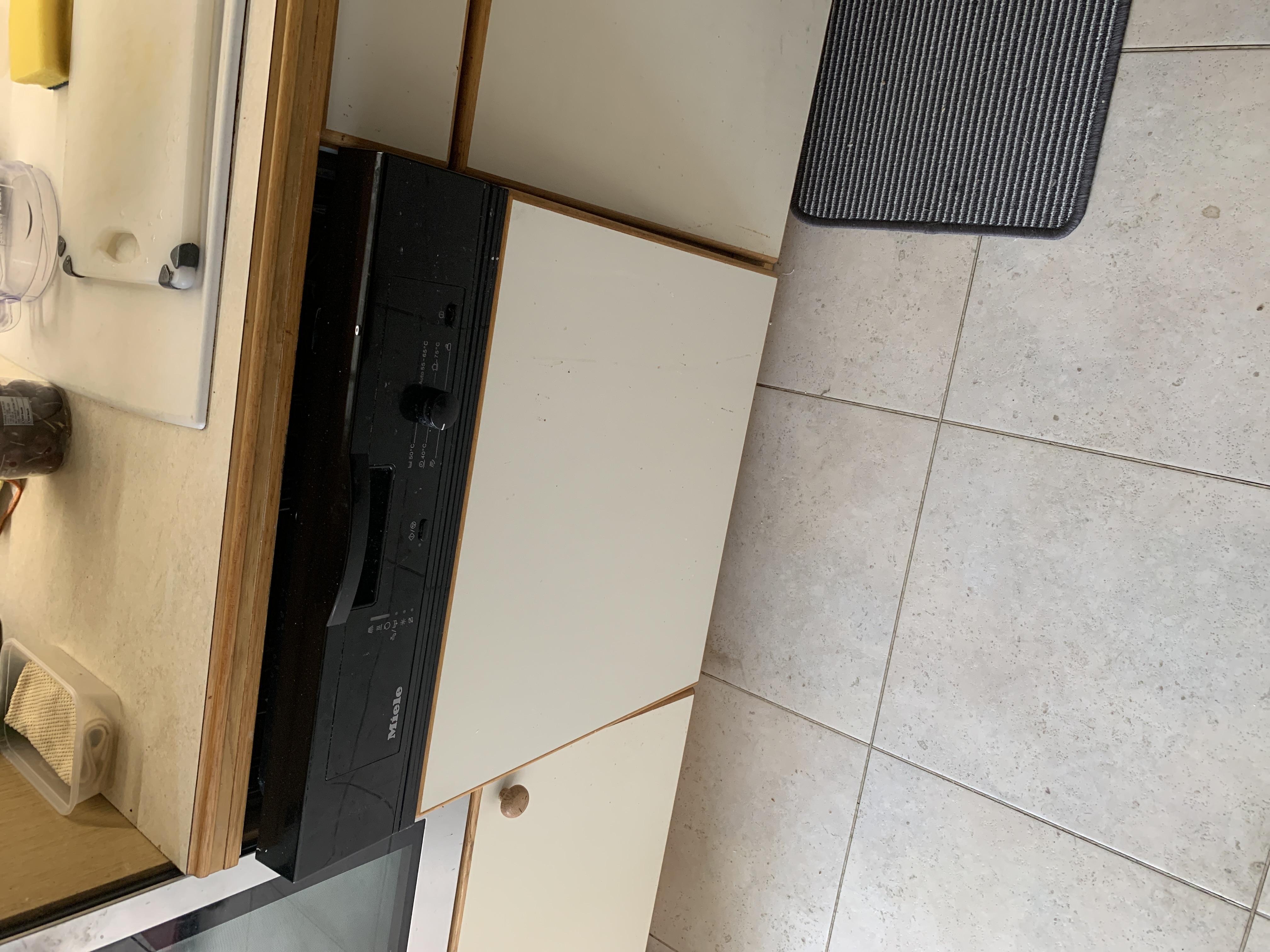
Few things make you reach for the towels quicker than a puddle creeping out from under the kitchen units. If your dishwasher is leaking from the door, the rubber seal that runs around the door opening is one of the first things worth checking. It does a lot of quiet work, and when it goes, water has an easy route onto the floor.
This guide explains why a dishwasher leaks from the door, what causes the seal to fail, and how to replace it yourself. If you would rather leave it to someone else, a NAC engineer can sort it for you.
Spotting the signs of a leaking door
The usual giveaways are easy to recognise:
- Water pooling around the base of your dishwasher
- Water leaking out onto your kitchen floor
Both point towards the door seal needing attention. The seal sits between the door and the body of the machine, and its whole job is to keep water inside the cabinet and the appliance running efficiently. Once a gap opens up, water finds it.
What makes a door seal come loose or fail?
A dishwasher seal lives a hard life. Hot water, detergents and constant opening and closing all take their toll over the years. Here are the main reasons one starts to leak.
Wear and tear
The rubber or silicone seal gradually deteriorates with frequent use and repeated exposure to hot water and detergents. Over time it can come loose or develop small gaps that let water escape.
Accidental damage
Poking or prodding the seal, or catching it with cutlery, dishes or trays, can dislodge it or tear it. It is surprisingly easy to nick when you are loading the bottom basket in a hurry.
Excessive heat
High-temperature wash and drying cycles speed up the breakdown of the seal material. Heat is good for cleaning dishes, but it is hard on rubber, and over time the seal can soften and work loose.
Chemical reactions
Some dishwasher detergents contain harsh chemicals that can weaken or corrode the seal. If you have switched products and noticed problems soon after, it is worth bearing in mind.
A few quick checks before you blame the seal
Before ordering a part, take a moment to look closely. Open the door and run your finger along the whole length of the seal, feeling for splits, flattened sections or spots where it has lifted away from the door. Check the door closes and locks securely during a cycle too, because a door that is not sitting tight against the seal will leak even if the seal itself is fine.
If the seal is perished, cracked or no longer sitting snugly, replacing it is a straightforward and cost-effective fix.
How to replace a dishwasher door seal: a step-by-step guide
Safety first: before you start, make sure the dishwasher is unplugged or otherwise disconnected from its power source. If you would like a refresher on doing this properly, read our guide on how to safely isolate an appliance before a DIY repair.
- Order a replacement seal. If your door seal has perished, buy a replacement that matches your dishwasher's exact make and model. The wrong size will not seat correctly.
- Prepare your workspace. Lay down a towel or mat to catch any water or debris, and put on gloves to protect your hands.
- Open the dishwasher door. Open it fully so you can see the seal clearly. Make a note of how the existing seal sits and any clips or retainers holding it in place.
- Remove the old seal. Gently peel or pull the old seal away from the door, starting at one corner and working your way around. Take care not to damage the door or any surrounding parts.
- Clean the door. Wipe the channel or surface where the seal was fitted using mild detergent and warm water. Remove any debris, residue or old adhesive so the new seal has a clean surface to grip.
- Prepare the new seal. Unpack it and check for any manufacturer instructions. Some seals have an adhesive backing you may need to activate.
- Install the new seal. Start at one corner and press the seal firmly into place, following the same path as the old one. Make sure it fits snugly the whole way round with no gaps.
- Secure with clips or retainers. If your dishwasher uses clips or retainers, refit them according to the manufacturer's instructions.
- Check for proper fit. Inspect the seal again to confirm it is seated evenly and pressed tight against the door, with no visible gaps.
- Close the dishwasher door. Close it gently so the seal can settle into its proper position.
- Test for leaks. Run a short cycle and watch for any leaks. Check that the door locks securely while the machine is running.
- Dispose of the old seal. Get rid of the old seal in line with your local waste disposal rules.
When to call an engineer
Door seals can be fiddly. If the new one will not seat properly, the leak continues after fitting, or the job is simply more awkward than you expected, it is sensible to bring in a professional rather than risk water damage to your floor or units.
A leak can also point to other dishwasher faults, and our engineers regularly deal with related problems such as dishes coming out dirty, doors not closing, persistent leaks and excessive noise. Whatever the cause, we can take a look.
When you book with NAC, we quote a clear service charge before an engineer attends, which covers all labour, the callout and VAT where applicable. If parts are needed, such as a new door seal, we quote those separately before any work goes ahead, and there is no extra labour charge on top. Every repair is guaranteed, with the length depending on the parts fitted and covered by our terms and conditions.
We are a family-run business that repairs all makes of dishwasher, and we aim to send an engineer the same day you report the fault or the next day wherever we can.
Book a repair or get in touch and your local NAC technician will replace your dishwasher door seal and stop the leak for good. You can also call us on 0333 016 9622. Take a look at the appliances and faults we cover or check whether we serve your area.
- dishwasher
- leaks
- diagnosis
- door seal
Rather leave it to us?
- Fixed-price quote before any work starts
- Same or next-day visits where available
- UK-wide engineer coverage