












Dishwasher Door Won't Close or Latch: Fixes
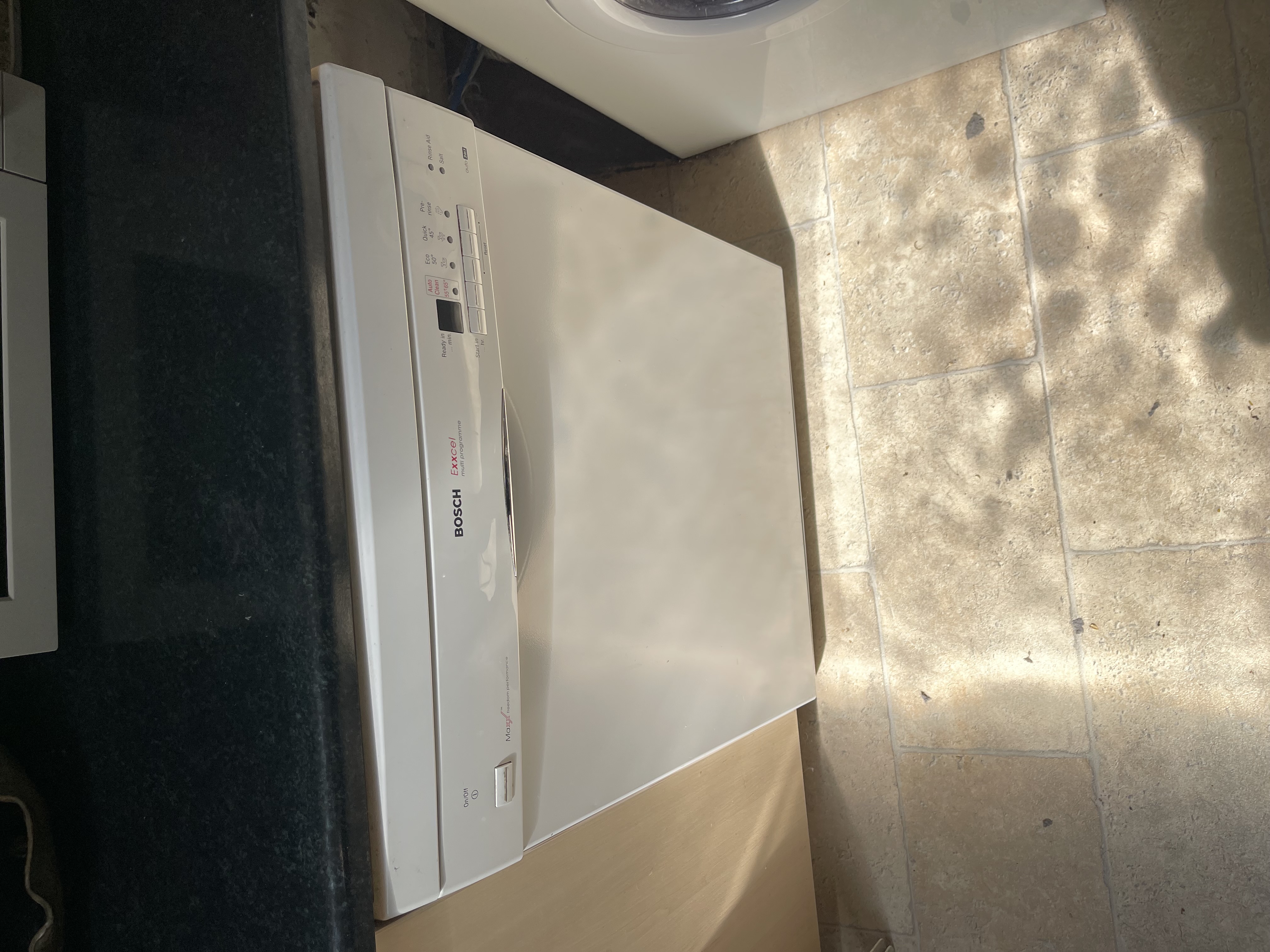
If the dishwasher door won't close or latch, the appliance simply won't start. Most machines refuse to run until the door is shut and the catch has engaged properly, so a door that springs back open or won't click into place stops the whole cycle in its tracks. The good news is that the cause is often something simple you can check in a few minutes, and the rest are mechanical or electrical faults a qualified engineer can sort quickly.
Below is a practical walk through the usual culprits, from a tray sticking out by a centimetre to a worn catch or a tired hinge, plus the safety steps to take before you start poking around.
Why won't the dishwasher door close?
There are a handful of common reasons a dishwasher door won't shut or latch:
- A rack or basket pushed out of position so it fouls the door
- An item of crockery or a utensil poking out past the door line
- A worn or broken door latch or catch
- A weak or failed door spring or hinge that won't hold the door correctly
- A swollen, loose or perished door seal getting in the way of a clean close
Work through them in roughly that order. The first two cost nothing to fix, and they catch out far more people than you'd think.
Safety first
Before you check anything beyond the racks, take the power off. Unplug the dishwasher or switch it off at the isolating socket or fused spur. Water and electricity are a bad mix, and you don't want the machine trying to start while your hands are near the door mechanism.
If you're not sure how to isolate it safely, our guide on how to safely isolate an appliance before a DIY repair walks you through it. A pair of gloves is worth wearing too, especially if you're feeling around clips or the underside of the door.
1. Check the racks are pushed fully in
The most frequent reason a dishwasher door won't latch is a rack that hasn't gone all the way back. Pull both the upper and lower baskets out a little, then slide them firmly home until they stop. Make sure neither rack has jumped off its runners or sits skewed on one side.
If a basket feels like it's catching, check the rollers or wheels on the rails. A rack that rides high or sits at an angle can push against the inside of the door just enough to stop the catch lining up.
2. Look for an obstruction
Tall items are the usual offenders. A serving platter, a chopping board, a baking tray or a long-handled utensil standing proud of the basket can foul the door as it closes. Have a look down the front edge of both racks at the level the door meets.
Rearrange anything that's sticking out, lay tall items flat where the machine allows, and try closing the door again. Also run your hand along the door's leading edge and the frame it meets, because trapped food debris or a stray label can stop a clean seal.
3. Inspect the door latch or catch
If the racks are in and nothing's blocking the way, turn your attention to the latch. This is the catch that clicks into the body of the dishwasher and tells the machine the door is shut. Open and close the door slowly and watch the catch engage.
Signs of a latch problem include:
- A catch that no longer clicks or feels loose and floppy
- Visible cracks or a broken tab on the latch assembly
- A door that closes but the cycle still won't start (the latch may not be completing the safety switch)
The latch links to a microswitch that confirms the door is closed. When the catch is worn or the switch has failed, the dishwasher reads the door as open even when it's shut. Replacing a latch or door switch is a fiddly job that often involves removing the inner door panel and handling the wiring, which is why it's best left to an engineer.
4. Check the door spring and hinge
The door is held under tension by springs and hinges so it opens smoothly and stays shut when closed. If a spring has stretched or snapped, or a hinge has worn or seized, the door can drop, sit unevenly or refuse to hold its position against the catch.
Tell-tale signs are a door that crashes down rather than lowering gently, a door that won't stay closed, or one that sits noticeably out of line with the cabinet. Spring and hinge faults put the door under load, so they're another job for a trained technician rather than a kitchen-table repair.
5. Rule out a swollen or loose door seal
The rubber or silicone seal around the door is there to keep water in, but a seal that has swollen, lifted or perished can also stop the door closing flush. Over time the seal deteriorates through frequent use and exposure to hot water and detergents, and it can come loose or develop gaps. Other causes include accidental damage from catching it with dishes or utensils, the heat of high-temperature wash and dry cycles speeding up the wear, and harsh detergent chemicals weakening the material.
Give the seal a good look. If it's standing proud of its channel, bulging or has pulled away at a corner, it can hold the door open by a few millimetres, which is enough to stop the catch engaging. A swollen seal often shows up alongside other clues like water pooling around the dishwasher or leaking onto the kitchen floor.
A loose seal can sometimes be pressed back into its channel, but a perished one needs replacing with a seal that matches your dishwasher's make and model. If you're tackling that yourself, work with the power off, peel the old seal away gently from one corner so you don't damage the door, clean the channel with a mild detergent and warm water, then press the new seal firmly into place following the path of the old one with no gaps. Reattach any clips or retainers, then run a short test cycle and check the door locks securely. Dispose of the old seal in line with your local waste rules.
When to call a repair engineer
Racks and obstructions are easy wins. Latches, switches, springs, hinges and replacement seals are where most people get stuck, partly because they involve dismantling the door and handling electrical parts. If you've ruled out the simple causes and the door still won't close or latch, it's time to get it looked at properly.
Dishes coming out dirty, the door not closing, leaks, excessive noise: don't resort to doing the washing up just yet. Your local NAC technician can come and diagnose the fault, whether it's mechanical or electrical, and put it right. Book a repair online or call us on 0333 016 9622 and we'll get your dishwasher latching and running again.
We quote a service charge before an engineer attends, covering all labour, callout and VAT where applicable. If parts are needed, such as a new latch, switch, hinge spring or door seal, we quote for those separately before any work goes ahead, with no extra labour on top. Every repair comes with a guarantee, with the length depending on the parts fitted and covered under our terms and conditions.
Why choose NAC
- Same and next day repairs where possible, so you're not waiting around.
- All repairs guaranteed for genuine peace of mind.
- No hidden charges, with all costs made clear in advance.
- A family-run business, husband and wife team Adrian and Amanda, with over 40 years of experience.
We repair every make of dishwasher. Take a look at the brands we repair or check our service areas to find help near you.
- dishwasher
- door latch
- repair
- troubleshooting
Rather leave it to us?
- Fixed-price quote before any work starts
- Same or next-day visits where available
- UK-wide engineer coverage