












3-in-1 Dishwasher Tablets vs Separate Salt & Rinse Aid
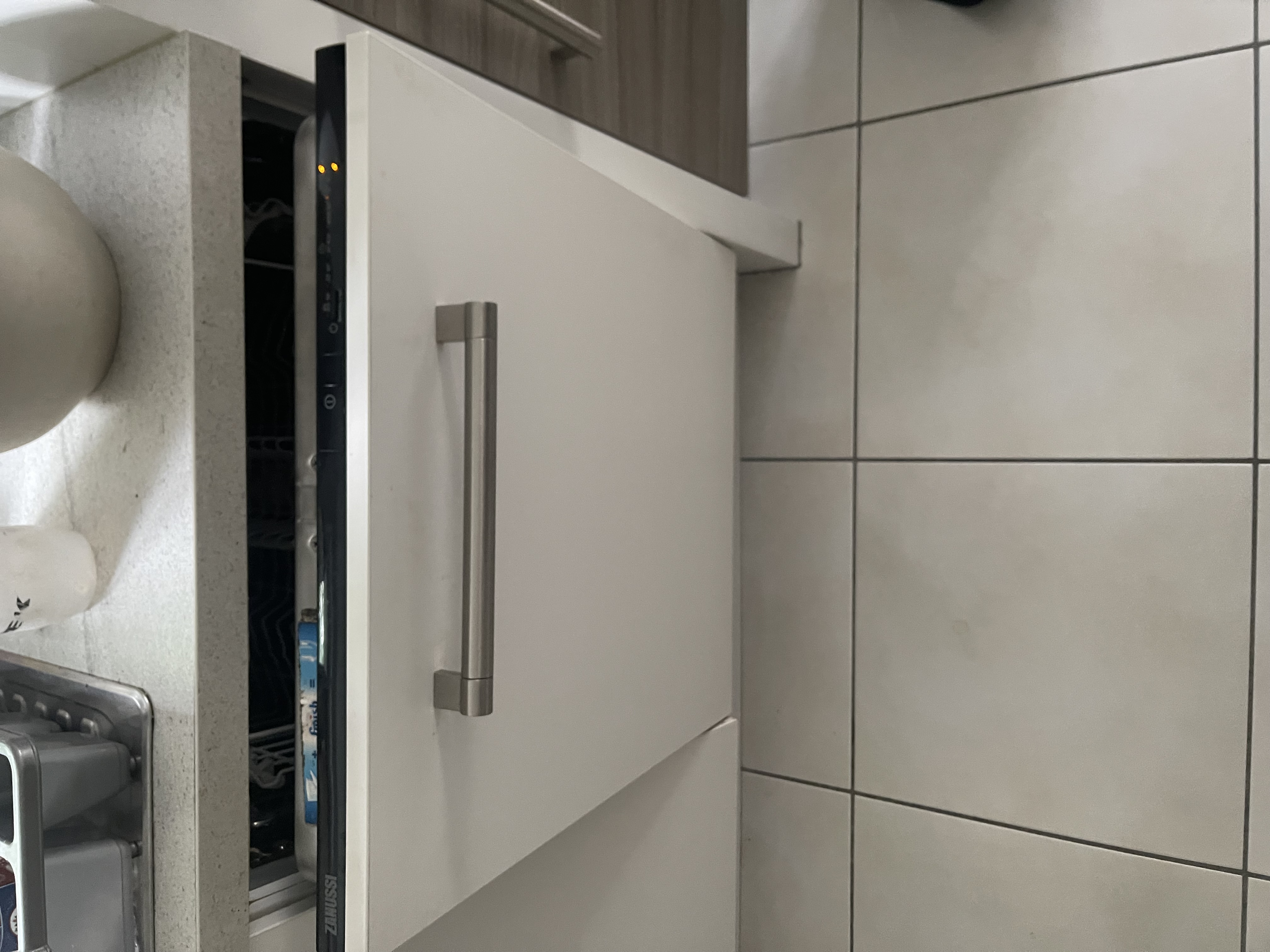
It's one of the most common questions we get asked about dishwashers: if I'm using 3-in-1 tablets, do I still need to buy separate salt? The honest answer is that it depends entirely on the water where you live. In some homes the combined tablets are perfectly fine on their own. In others, skipping the salt slowly wrecks your washing results without you realising why.
Here's the full picture on 3-in-1 dishwasher tablets vs salt, so you can work out what your machine actually needs.
Why dishwashers care so much about water
Dishwashers and washing machines always perform best in soft water. Hard water carries dissolved minerals (the same stuff that leaves limescale on your kettle), and that interferes with how well detergent works and how cleanly your dishes dry.
To deal with this, your dishwasher has a built-in water-softening system. The salt chamber takes the hard water coming into the machine and converts it into soft water, as long as there's dishwasher salt present.
One thing to be clear on from the start: only use proper dishwasher salt. Other types of salt won't do, because dishwasher salt is made specifically for the job.
What the salt actually does (it might surprise you)
This is the part most people get wrong. The salt itself doesn't soften your water.
Inside the salt chamber there's a special resin, and it's the resin that does the softening, swapping the hardness out of the water as it passes through. The salt has a different job. It cleans and restores the resin, a process called regeneration, as it periodically flows through the chamber. That's why the salt chamber is often referred to as the regeneration unit.
The resin doesn't last forever, and it relies on that regular dose of salt to keep regenerating. If you never add dishwasher salt directly into the chamber, the resin eventually runs out of effectiveness. Once that happens, hard water flows straight through unchanged, and you start to see poor washing results: cloudy glasses, a chalky film, dishes that don't come out properly clean.
So what are 3-in-1 tablets actually doing?
3-in-1 dishwasher tablets combine three things in one: detergent, salt and rinse aid. On paper that sounds like it covers everything, and that's exactly why people assume they no longer need separate products.
The catch is the amount and the way the salt is delivered. Relying only on 3-in-1 tablets is recommended just for areas with genuinely soft water. If your water is naturally soft, the small amount of salt in the tablet is enough to keep things ticking over and you can happily skip the separate salt and rinse aid.
If you live in a hard-water area with any degree of limescale, that's a different story. The combined tablet alone won't keep the resin properly regenerated over time, so dishwasher salt must also be added separately into the salt chamber. The tablet does the everyday washing; the dedicated salt keeps the softening system alive.
Quick guide: do you still need separate salt?
| Your water | 3-in-1 tablets alone? | Add separate dishwasher salt? |
|---|---|---|
| Genuinely soft water | Fine on their own | Not needed |
| Hard water / any limescale | Not enough by themselves | Yes, add salt separately |
Not sure which camp you're in? Your local water authority can tell you how hard your supply is, and it's worth knowing because it affects more than just your dishwasher.
Cost and washing quality, side by side
On cost, 3-in-1 tablets look like the simpler, tidier option, and in a soft-water home they often are, because you're buying one product instead of three. But in a hard-water home, leaning on them alone is a false economy. The resin degrades, your wash quality drops, and you end up rewashing items or living with smeared glassware. Buying a bag of salt and topping up the chamber is cheap compared with the hassle of dishes that never come out right.
Get your water hardness setting right
Adding salt is only half the job. The salt regeneration unit needs to be set to match the hardness of your water, because that setting controls how often the resin is regenerated.
- Set for very hard water: the machine regenerates the resin more often, so it gets through salt more quickly.
- Set for soft water: the resin regenerates less often, so a fill of salt lasts longer.
Getting this setting wrong causes problems of its own. An incorrect water hardness setting can leave too much salt circulating in the machine, which leads to poor washing results. The tell-tale sign of too much salt is small drop marks left on items, and you'll usually notice it first on glassware.
On most modern dishwashers you adjust the water hardness using the controls on the front of the machine. Some high-end models go a step further and ask you to enter an exact hardness value, in which case it's best to get that figure from your local water authority so it's accurate.
How to top up your dishwasher salt
When the salt or the rinse aid gets low, most machines show a warning light on the front to remind you to top up. Refilling the salt is straightforward:
- Open the cap and add the salt. Open the dishwasher door and find the salt chamber cap at the base of the machine, usually to the left of the filter. Unscrew it and pour in the dishwasher salt. New machines come with a funnel to make this less messy.
- Screw the cap back on. Make sure it's secure.
- Run an empty quick wash. It's worth running the machine on a short empty cycle straight after, as this rinses away any excess salt left inside.
When poor results mean something's actually wrong
If you've matched your hardness setting, you're topping up salt and rinse aid, and the dishes still aren't coming out clean, the problem may no longer be down to salt at all. At that point there could be a fault with the machine itself.
That's where we come in. NAC engineers repair dishwashers of every make, and we'll quote a clear service charge before anyone attends, covering all the labour, callout and VAT where it applies. The only extra would be parts if they're needed, and we always quote those separately for your approval before doing the work. Repairs are backed by a guarantee too, with the length depending on the parts fitted (full details are in our terms and conditions).
You can book a repair online or call us on 0333 016 9622, and check our service areas to confirm we cover you. We're happy to take a look and get your dishwasher washing properly again.
- dishwasher tablets
- rinse aid
- hard water
- cleaning results
Rather leave it to us?
- Fixed-price quote before any work starts
- Same or next-day visits where available
- UK-wide engineer coverage