












Is a Worn Oven Seal Costing You Money on Energy?
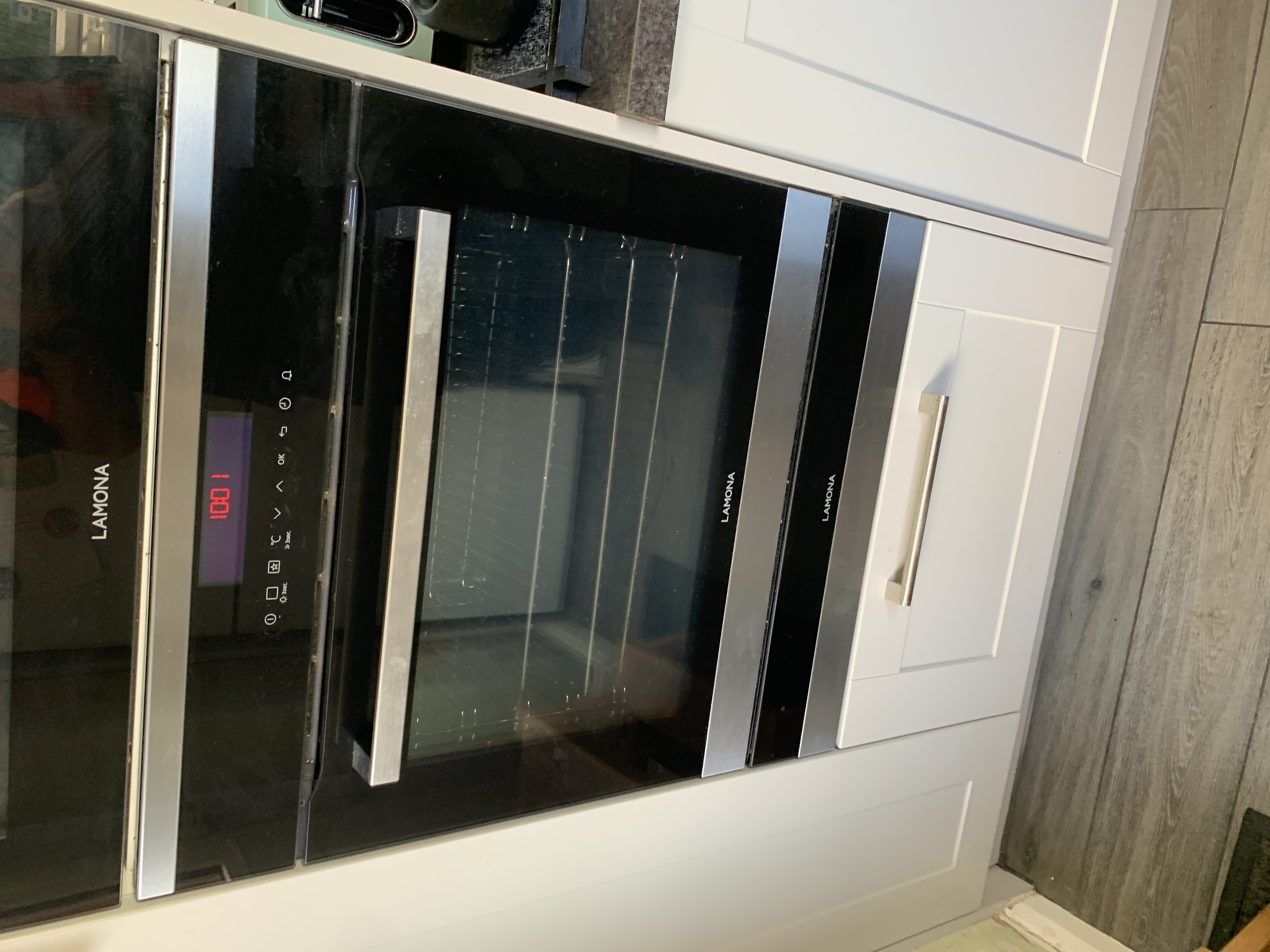
A tired, gappy door seal is one of those faults that's easy to ignore until your cooking starts going wrong or your bills creep up. The seal sits all the way around the oven door and its job is simple: keep the heat inside the cavity where it belongs. Once it perishes, splits or starts to fall away, that heat finds a way out, and oven door seal energy efficiency becomes something worth paying attention to.
The good news is that swapping a worn seal is one of the more approachable jobs you can tackle at home, and it's a cheap part compared with the cost of running an oven that's leaking heat. Here's what's going on, why it matters for your running costs, and how to fit a new one.
Why a worn oven seal pushes up your running costs
An oven is basically an insulated box. The walls, the glass and the door seal all work together to trap heat so the element only has to top things up now and then once it reaches temperature. When the seal does its job, the oven holds heat efficiently and cycles on and off as needed.
When the seal fails, that balance breaks down:
- Heat escapes around the door. A gap, a flattened section or a seal that's pulled away from a corner lets warm air leak out, especially near the top of the door where heat naturally rises.
- The oven works harder to hold temperature. As heat leaks away, the thermostat senses the drop and brings the element back on more often. More heating cycles means more electricity used for the same dish.
- Cooking takes longer. If the cavity can't reach or hold the set temperature properly, food takes longer to cook through, so the oven stays on for longer and uses more energy per meal.
- Components get a harder life. An element and thermostat that are constantly cycling to chase a temperature they keep losing are doing more work than they should over the life of the appliance.
None of this happens dramatically overnight. It's the slow, daily drip of extra minutes and extra heating cycles that adds up, which is exactly why a worn seal is worth sorting sooner rather than later.
Signs your oven door seal has had it
You don't need any tools to spot a failing seal. Look and feel for:
- The seal hanging loose or coming away from a corner
- Cracks, splits or hard, brittle sections
- Flat spots where the seal has lost its springiness
- Heat you can feel escaping around the door edge when the oven is on
- Food browning unevenly, or dishes taking longer than they used to
If food is burning on the outside while staying undercooked inside, or the glass has cracked, that points to wider oven trouble rather than the seal alone, and it's worth getting looked at properly.
What the seal is and how it fits
Before you order a replacement, it helps to know what you're dealing with. An oven or cooker door seal is usually made from a temperature-resistant silicone or rubber so it can cope with the heat of the cavity. It has a hook in each corner that anchors it into the door, and you'll notice a visible join in the seal where the two ends have been brought together.
That join matters when you fit it, as we'll come to below.
How to replace an oven or cooker door seal
This is a job that sits within most people's skill set, so it's well worth having a go yourself. The method is similar across most brands, so the same approach applies whether you've got a built-in oven or a freestanding cooker.
Step 1: Position the seal correctly
Take your new seal and find the join, the point where the two sections meet. Fit the seal so that this join sits at the bottom of the door. The reason is simple: heat rises, and there's always a chance the join could break over time. If that happens with the join at the bottom, it causes far less of a problem than a break at the top where the heat is most intense.
Step 2: Hook it into the corners
Work around the door and insert the hooks one by one into the matching holes in each corner. Expect a bit of tension in the seal as you go, that's normal and it's what holds the seal taut against the door once it's all in place. Take your time getting each corner seated properly so there are no gaps for heat to sneak through.
That's the whole job. With the new seal fitted snugly and the join at the bottom, your oven can hold its heat again and get back to cooking efficiently.
Does a new seal really pay for itself?
A door seal is an inexpensive part, and fitting it yourself costs nothing but a few minutes. Set that against an oven that's leaking heat every single time you use it, running longer, cycling harder and dragging out cooking times, and the maths tends to look after itself. Stopping the heat loss is one of the cheapest ways to bring an oven's running costs back under control.
If you'd rather not tackle it, or you've fitted a new seal and the oven still isn't holding temperature, the fault may lie with the element, the thermostat or elsewhere, and that's where it pays to call in an engineer.
When to bring in NAC
If your oven is burning food, taking forever to cook, or the seal keeps falling away no matter what you do, get it checked rather than living with rising bills. Our engineers repair all makes and types of oven and cooker, and we aim for same and next day repairs wherever we can.
We quote a service charge before an engineer attends, which covers all labour, the callout and VAT where it applies. The only extra is for parts, if any are needed, and we'll quote those separately before any work goes ahead. There are no hidden charges, and every repair is guaranteed under our terms and conditions.
You can book an engineer using the Book A Repair button on our website, or get in touch with the team if you'd like a hand working out what's wrong first. Not sure we cover your area? Check our service areas and the brands we repair.
While you've got the oven open, you might find these guides handy too:
- energy efficiency
- oven running cost
- door seal
- appliance savings
Rather leave it to us?
- Fixed-price quote before any work starts
- Same or next-day visits where available
- UK-wide engineer coverage