












Oven Door Hinge Problems: Signs of Failure & What to Do
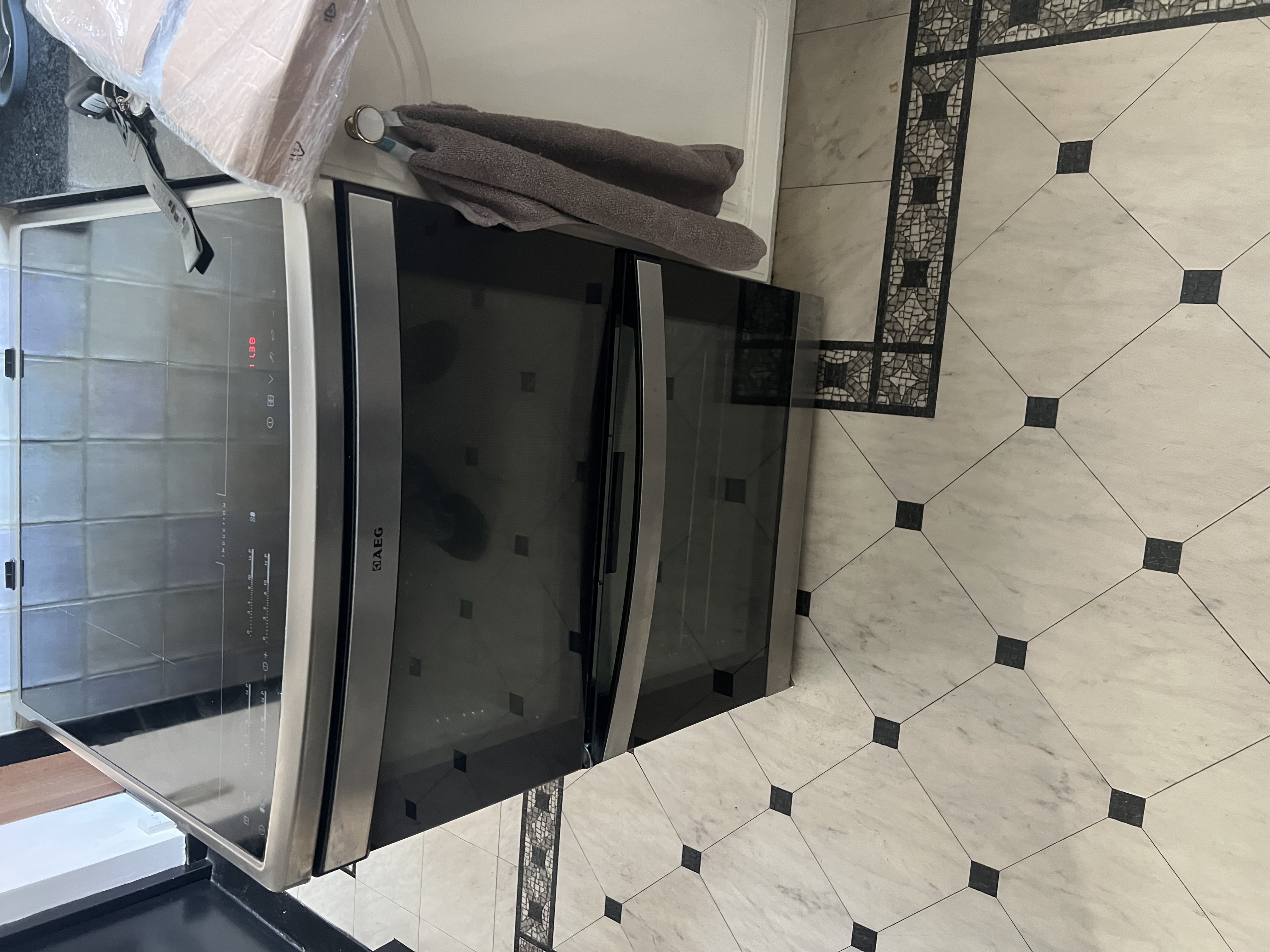
A healthy oven door should swing open smoothly, sit flush against the front of the oven and stay shut without any persuasion. When the hinges start to wear or slip out of alignment, all of that changes. The door might drop at one corner, feel loose in your hand, slam the last few inches or refuse to seal properly. This guide walks you through how to spot oven door hinge problems, why oven door hinge repair almost always means taking the door off, and when it's safer to hand the job to an engineer.
How oven door hinges actually work
Most household ovens use the same basic hinge design, so what follows applies whether you've got a built-in single oven, a double or a freestanding cooker. The hinges sit on both sides at the bottom of the door, and each one slots into a matching hinge slot on the oven frame.
Each hinge has a small catch. With the door open, that catch can be released (a flathead screwdriver often helps) and flipped over to the opposite side. Once both catches are moved into that locked position, the door won't close fully because the catches physically stop it. That's deliberate, and it's the cue that the door is sitting in the right position to lift away.
To put the door back, you reverse the process: line the hinges up with their slots, then move the catches back the way they came to lock everything in place. Hinges that are secured correctly won't budge when you give the door a gentle tug.
Signs your oven door hinges are failing
Hinges take a fair bit of strain over the years, opening and closing under the weight of heavy glass. They're one of the more common oven faults we're called out to. Watch for these warning signs:
- The door won't shut properly. A door that no longer closes flush is the classic symptom, and it's often down to hinges that have worn or slipped out of position.
- The door drops or sags at one corner. If it hangs unevenly or feels like it's pulling downwards, the hinge on that side is likely the culprit.
- The door feels loose or wobbly. Play and movement where there shouldn't be any points to a hinge that isn't holding firm.
- The door slams or drops shut. A worn hinge can lose the controlled, damped action it's meant to have.
- Misalignment of the door or hinges. It isn't unusual for an oven door or its hinges to drift out of true over time, and that misalignment is what causes the door to stop closing as it should.
The knock-on effect matters more than the inconvenience. A door that doesn't shut squarely lets heat escape, and that means reduced oven performance: longer cooking times, uneven results and wasted energy. If yours is taking forever to get up to temperature, it's worth reading why your oven takes too long to cook food and considering whether a poor seal or a dropped door is at the root of it.
Hinges aren't the only suspect
A door that won't seal can have more than one cause, and it's worth ruling the others in or out before you blame the hinges:
- Worn or perished seals. A tired door seal lets heat leak even when the hinges are fine. Our guide to the signs your oven door seal needs replacing helps you tell the difference, and a worn seal can quietly add to your energy bills too.
- Broken or cracked glass panels. Damaged glass affects how the door sits and seals. See cracked oven door glass: what to do next.
- Faulty hinges. As covered above.
Here's the important bit: faulty hinges, worn seals and broken glass panels all share one thing in common. None of them can be repaired or replaced without removing the oven door first. If you've worked through the possibilities and the door still won't close, our piece on an oven door that won't close properly goes deeper into diagnosis.
Why hinge repairs mean taking the door off
To get at the hinges, whether you're adjusting them, swapping a worn one or fitting a new seal or glass, the door has to come away from the appliance. Removing it is often the only way to remedy a misalignment and get the door closing cleanly again. The good news is that the removal process is fairly universal across brands and models, so the same approach works for almost all household ovens. Just bear in mind that not every oven door is removable, so check first (more on that below).
Before you start: safety first
- Read your user manual to confirm your door can be removed and to note any model-specific precautions.
- Make sure the oven is switched off at the plug and completely cool before you touch anything. If you're not sure how, our guide on safely isolating an appliance before a DIY repair is worth a quick read.
- Wear protective gloves. They guard your hands and help protect the glass.
- Oven doors can be surprisingly heavy and delicate. Depending on your strength, have a second person on hand to help lift.
Tools you'll want: a flathead screwdriver (if needed) and protective gloves.
How to take an oven door off
- Open the door fully and locate the hinges, typically at the bottom on both sides.
- Using a flathead screwdriver if necessary, release the catch on each hinge and move it across to the opposite side until it won't go any further.
- The door will now refuse to close properly, because the catches are stopping it. That's exactly what you want, it tells you the door is in the right position to come off.
- Grip both sides of the door firmly and lift it straight upwards, keeping it parallel to the floor. Take your time, these doors can be heavy.
- Once it's lifted clear, pull the door away from the oven. It's now off.
- Lay it down on a soft but stable surface to avoid damaging the glass.
How to put the oven door back on
- Lift the door with both hands and line the hinges up with the hinge slots on the oven frame.
- You may need to jiggle and readjust a couple of times to get both sides seated correctly.
- With the hinges in place, open the door fully so you can reach the catches.
- Secure the hinges by moving the catches back the way you opened them. A flathead screwdriver can help ease them into place.
- Check they're locked by gently pulling on the door. It shouldn't move.
- Test your work by opening and closing the door a few times. It should move smoothly and sit flush.
If you're also tackling a seal while the door is off, our step-by-step on replacing an oven or cooker door seal covers that part.
Are all oven doors removable?
Generally, yes. Most modern ovens are designed with removable doors precisely to make cleaning, moving and repairs easier. That said, it varies between makes and models, and a few doors aren't meant to come off at all. If you're unsure, check the manual before you start or speak to a local appliance repair technician so you don't risk damaging the appliance.
How difficult is it?
For a confident DIYer, removing and refitting an oven door is well within reach. It doesn't call for specialist tools or advanced technical know-how. The main thing to respect is the weight and fragility of the door, so go carefully and don't rush.
That changes once you're replacing the hinges themselves, fitting new glass or diagnosing why the door still won't seal after an adjustment. If you're not confident, or you're worried about damaging the door, that's the point to call in a professional.
When to call NAC for oven door hinge repair
If your door is dropping, slamming, sitting crooked or simply won't stay shut, and a quick adjustment hasn't fixed it, get it looked at properly. A door that doesn't seal wastes energy and cooks unevenly, and a heavy glass door hanging off a failing hinge isn't something to leave for long.
Our engineers repair ovens of every make, including doors with cracked glass and seals that have fallen away. We quote a service charge before anyone attends, which covers all labour, the callout and VAT where it applies. The only possible extra is parts, and we'll quote those separately for your approval before any work goes ahead, with no additional labour charge on top. Every repair is guaranteed under our terms and conditions.
To get your oven door sorted, book a repair or get in touch with NAC. You can see the full range of what we cover on our services page, check the brands we repair and confirm we cover your area over on service areas.
- oven hinges
- oven door
- oven repair
- diagnosis
Rather leave it to us?
- Fixed-price quote before any work starts
- Same or next-day visits where available
- UK-wide engineer coverage