












Signs Your Oven Door Seal Needs Replacing
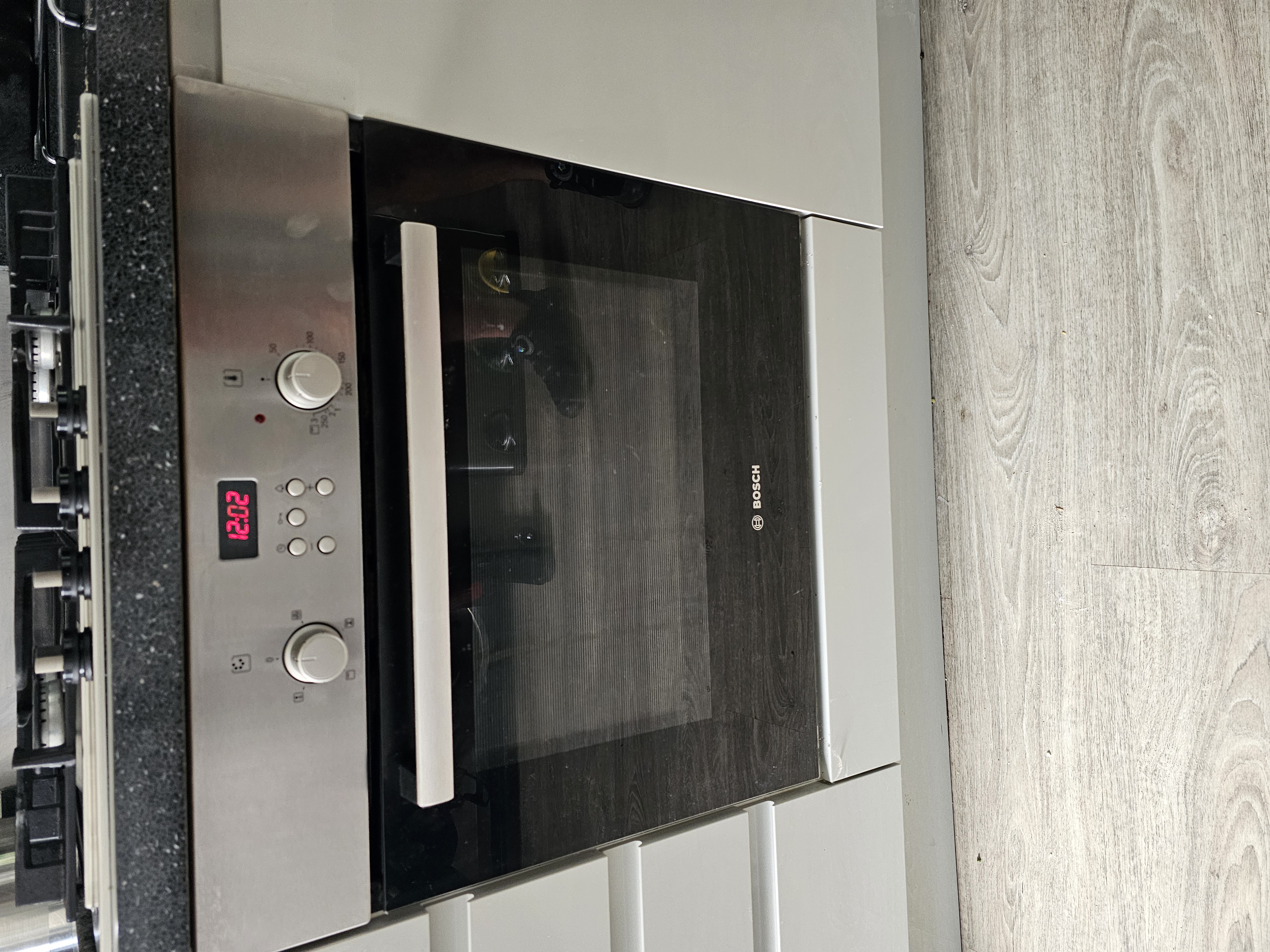
A worn oven door seal is one of those faults that creeps up on you. Cooking times start drifting longer, the top of a dish browns while the middle stays pale, and the kitchen feels warmer than it used to when the oven's on. If any of that sounds familiar, the rubber or silicone strip running around your oven door is worth a proper look. Here's how to tell whether oven door seal problems are behind it, and what to do next.
What the door seal actually does
The seal sits around the inside edge of the oven door (or around the front frame of the cavity, depending on the model). It's made from temperature-resistant silicone or rubber, and its job is simple but important: keep the hot air where you want it. When the seal is in good shape, the door shuts tight against it and the oven holds a steady, even temperature.
Look closely and you'll spot a hook in each corner, plus a visible join where two lengths of seal have been brought together during manufacture. That join is a normal part of the design, not a fault.
The signs of a failing oven door seal
Most seal problems show up as cooking and heat issues long before the seal looks obviously broken. Watch for these:
- Longer cooking times. If recipes that used to be reliable now need extra minutes, the oven may be losing heat through a poor seal and struggling to hold temperature.
- Food burning on the outside but raw in the middle. Uneven cooking is a classic symptom. When heat escapes and the temperature swings, the outside of a dish can catch while the centre stays undercooked.
- Heat escaping around the door. Hold your hand near the edges of the closed door while the oven is hot (carefully, not touching the glass). Noticeable heat leaking out points to a gap.
- The seal feels hard, brittle or cracked. Over time the silicone or rubber loses its springiness. A seal that's gone stiff won't compress properly when the door shuts.
- The seal is pulling away or has fallen off. If a corner has come loose or the seal is hanging out of its slot, it can't form a proper barrier.
- A higher energy bill with no other explanation. An oven that's constantly working harder to keep its set temperature uses more energy. A leaking door is a common, and fixable, cause.
A quick test: shut a thin sheet of paper in the door and try to pull it out. If it slides away with no resistance, the door isn't gripping the seal as it should.
Why a poor seal affects your cooking so much
Ovens are designed to work at a fairly stable temperature. When the seal lets heat slip out around the door, the thermostat keeps firing the element to make up the loss, so the temperature inside rises and falls more than it should. That instability is what gives you scorched edges, soggy middles and bakes that just don't come out right. Replacing a tired seal restores that tight, even environment and usually brings cooking times back to normal.
It's worth ruling out the obvious first, though. If the door won't shut squarely, that's a separate issue, and you can read more in our guide on an oven door that won't close properly. And if your oven is generally sluggish, our piece on why an oven takes too long to cook covers the wider causes.
Clean it before you condemn it
Not every grubby or stiff-looking seal needs throwing away. Baked-on grease and food deposits can stop a seal compressing and make it look worse than it is. A careful clean often buys it more life, and we've set out how to do that safely in how to clean an oven door seal. If it cleans up and goes back to gripping the door, you may not need a new one at all.
When it's time to replace the seal
If the seal is split, brittle, permanently misshapen or has come away from its mountings, cleaning won't save it and a replacement is the answer. The good news is that fitting a new oven or cooker door seal sits within most people's skill set, so it's worth having a go yourself.
Here's the short version of how it goes:
- Get the orientation right. The seal has a hook in each corner and a visible join where two sections meet. Position the seal so the join sits at the bottom of the door. Heat rises, so if that join ever weakens or breaks, it causes far less trouble at the bottom than it would at the top.
- Hook it into place. Insert each corner hook, one at a time, into the matching hole in the corners of the oven door. Expect a bit of tension in the seal as you work around, that's normal and means it'll sit snugly once it's in.
The method is much the same across most brands. Our full walkthrough is here: how to replace an oven or cooker door seal yourself. It also helps to fit the correct size in the first place, so see how to measure and choose the right oven door seal before you buy.
Don't ignore the energy side of it
A leaking door doesn't just spoil dinner, it quietly adds to your running costs while the oven battles to hold temperature. If you're curious how much a tired seal might be costing you, we've looked at exactly that in is a worn oven seal costing you money on energy?.
Spotted cracked glass while you were checking?
If inspecting the door turned up a crack in the glass rather than a seal problem, stop using the oven and read cracked oven door glass: what to do next before going any further.
Get it sorted by an engineer
If the seal keeps coming loose, the door still won't seal after a new one is fitted, or the temperature problems carry on, there may be more going on with the door, hinges or thermostat. That's where it pays to have someone take a proper look.
NAC engineers repair every make of oven and cooker, and we'll quote a service charge before anyone attends. That covers all labour, callout and VAT where it applies, with parts quoted separately for your approval if they're needed. Every repair comes with a guarantee, with the exact length depending on the parts fitted and our terms and conditions.
Book a repair online, or call us on 0333 016 9622 and we'll get your oven cooking properly again.
- oven door seal
- oven faults
- energy efficiency
- diagnostics
Rather leave it to us?
- Fixed-price quote before any work starts
- Same or next-day visits where available
- UK-wide engineer coverage