












Signs Your Oven Door Seal Needs Replacing
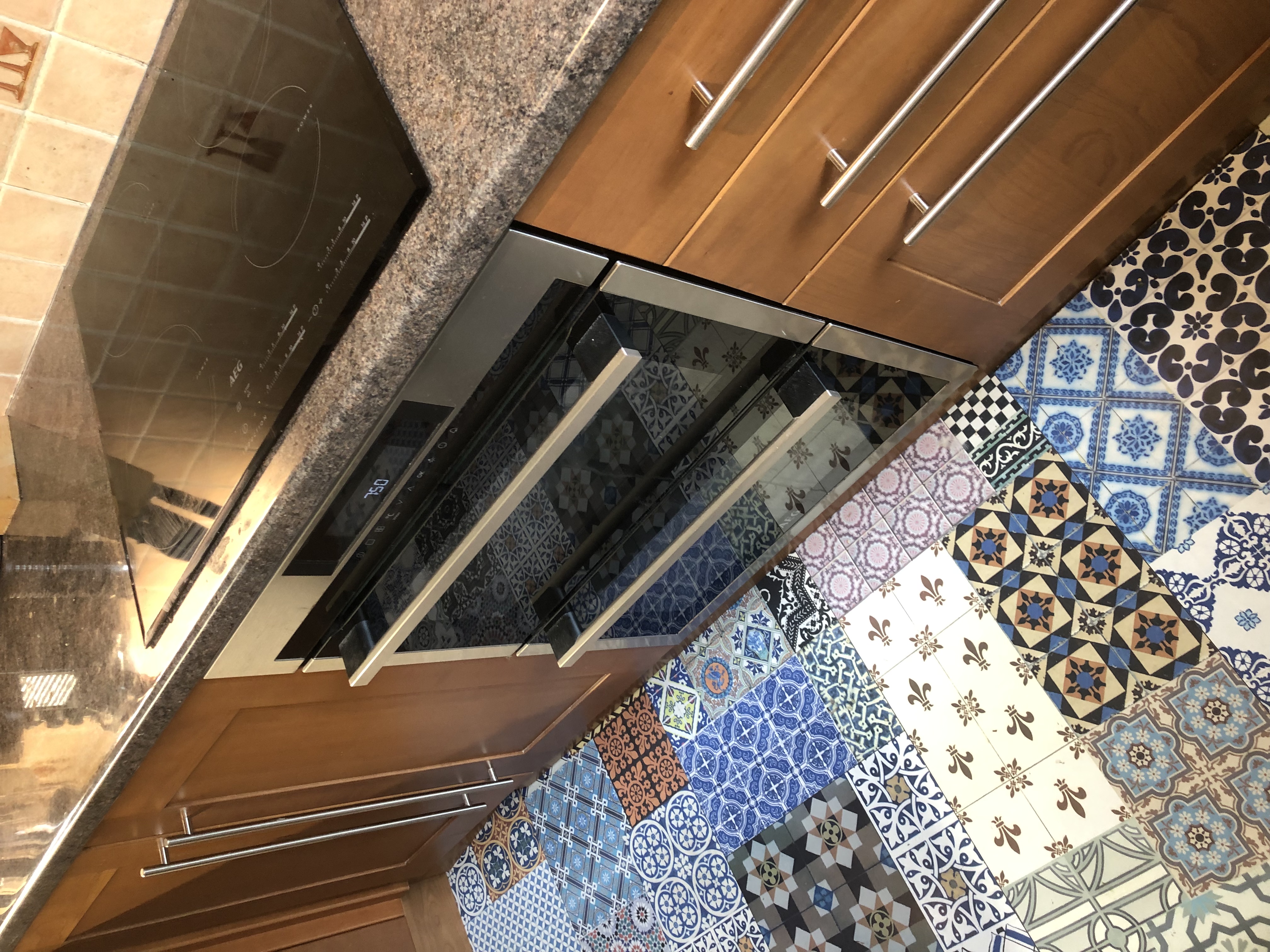
The strip of silicone or rubber running around the inside of your oven door does a quiet but important job. It keeps the heat where it belongs, inside the cavity, so your oven reaches temperature and holds it. When that seal starts to fail, the symptoms creep in slowly and they're easy to blame on the element or the thermostat instead. If you've been wondering about the oven door seal worn out signs, this guide walks you through what to look for and how to check it yourself.
What the door seal actually does
The seal sits between the door and the front of the oven cavity, forming a barrier that stops hot air leaking out around the edges. It's usually made from a temperature-resistant silicone or rubber, with a small hook in each corner that locks it into the door frame. Look closely and you'll spot a join where two sections of the seal meet, which is a normal part of how these are made.
When the seal is in good shape, it compresses gently as you close the door and springs back when you open it. Once it hardens, splits or comes loose, that barrier breaks down and your oven has to work harder to do the same job.
Signs your oven door seal is worn out
A failing seal rarely announces itself with a dramatic fault. Instead you'll notice a handful of smaller clues that add up. Here's what tends to give it away.
Heat escaping from the edge of the door
Hold your hand a safe distance from the closed door while the oven is up to temperature. If you can feel warm air leaking from one edge, or the door front feels hotter than usual, heat is finding its way out where the seal should be sealing. A working seal keeps the outer door relatively cool because the hot air stays trapped inside.
Longer cooking times and uneven results
If recipes that used to come out perfectly now need extra minutes, or one tray bakes faster than another, a leaky seal could be the reason. When heat escapes, the oven struggles to hold a steady temperature, so cooking becomes slower and less predictable. Cakes that sink, roasts that take forever and bread that won't brown evenly are all worth a second look at the door.
A perished, hardened or split seal
Give the seal a visual once-over. Over time the material can go brittle, crack, flatten or pull away from the door. Run a finger gently along it (when the oven is cold) and check for any sections that have lost their springiness or torn. Pay particular attention to the corners, where the hooks hold it in place, and to the join, which can be a weak point if it starts to part.
The seal has come loose or unhooked
Sometimes the seal hasn't perished at all, it has simply popped out of one of its corner hooks. A loose section leaves a gap that lets heat slip through. If you spot this, it can often be reseated rather than replaced.
Condensation or steam on the door glass
A bit of condensation when you first switch on is normal, but persistent steam misting up the glass, or moisture escaping around the door while you cook, points to a seal that's no longer holding its line.
The simple paper test
Here's a quick check you can do without any tools. Open the oven door and close it onto a sheet of ordinary paper, leaving part of the paper sticking out. Now try to pull the paper free.
- If there's noticeable resistance and the paper drags or tears slightly, the seal is gripping properly.
- If the paper slides out with little or no resistance, the seal isn't compressing as it should.
Repeat this at several points around the door, including the top, both sides and the bottom. A seal that grips well in one spot but lets the paper glide out elsewhere has a weak section that's letting heat past.
Replacing the seal yourself
Fitting a new oven door seal is a job that falls within most people's skill set, so it's worth having a go before you call anyone out. The method is similar across most brands.
- Get the join in the right place. Your replacement seal will have a visible join where two sections are joined together. Position the seal so this join sits at the bottom of the door. Heat rises, so if the join ever gives way it'll cause far less trouble at the bottom than it would at the top.
- Hook it into place. Insert the hooks one by one into the matching holes in each corner of the door. You'll feel some tension in the seal as you work your way round, which is exactly what you want, because that tension is what keeps the seal snug against the cavity.
Once it's in, run the paper test again to confirm you've got a good, even grip all the way round.
If you fancy tackling other small jobs while you're at it, our guides on changing an oven light bulb and safely isolating an appliance before a DIY repair are worth a read.
When to call in an engineer
If you've replaced the seal and the oven still runs slow, cooks unevenly or feels hot to the touch on the outside, the cause may lie elsewhere, with the thermostat, the element or the door hinges letting the door sit slightly open. That's when a professional set of eyes pays off.
We repair every make and model, so whatever brand sits in your kitchen, we can help. You'll get a clear service charge quoted before an engineer attends, covering all labour, callout and VAT where it applies. The only extra is parts if they're needed, and we'll quote those separately before any work goes ahead, with no additional labour charged on top. Repairs come with a guarantee too, the length of which depends on the parts fitted and is covered under our terms and conditions.
Ready to get it sorted? Use the Book A Repair button on our home page, get in touch here, or call us on 0333 016 9622. You can also check whether we cover your area on our service areas page and see the brands we repair.
- oven door seal
- oven diagnosis
- heat loss
- oven faults
Rather leave it to us?
- Fixed-price quote before any work starts
- Same or next-day visits where available
- UK-wide engineer coverage