












Why Your Oven Door Won't Close Properly (Causes & Fixes)
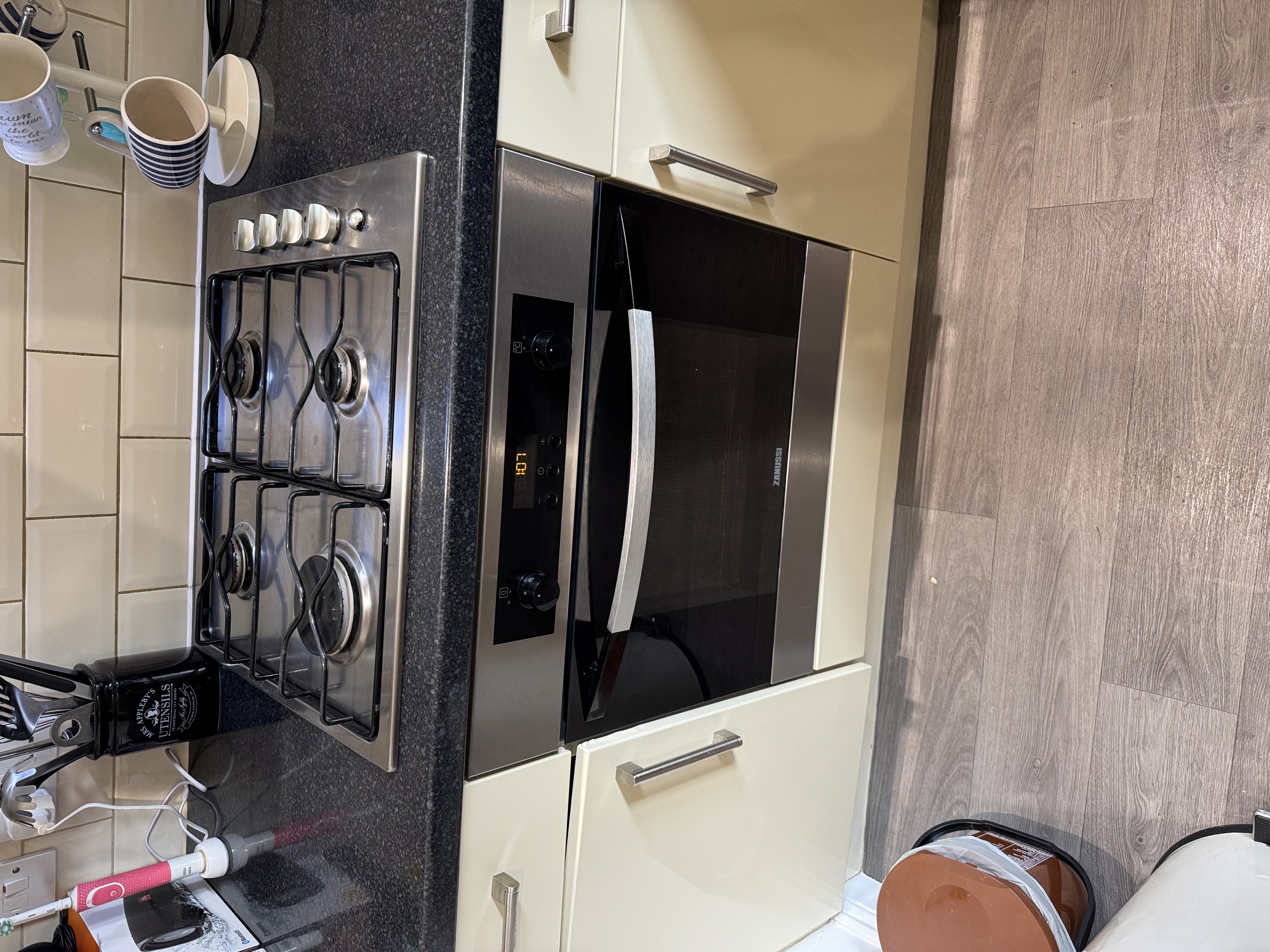
If your oven door won't close properly, you'll usually notice it before any error does: the kitchen feels warmer, the door sits slightly proud at one corner, and food takes longer to cook because heat is escaping through the gap. A door that doesn't seal tightly makes your oven work harder, wastes energy and gives you uneven results. The good news is that the cause is often something you can pin down quickly, and in many cases the fix is straightforward.
Below we explain the common reasons an oven door stops shutting, how to realign it, and when it's worth calling an engineer rather than carrying on.
Common reasons an oven door won't close
Most door problems come down to one of a handful of issues. Knowing which one you're dealing with points you straight at the right fix.
- A misaligned door or hinges. It's not unusual for an oven door, or the hinges it sits on, to drift out of alignment. When that happens the door no longer seats squarely against the frame, so it won't shut properly and the oven's performance drops.
- Faulty hinges. Hinges take the weight of the door every time you open and close it, and they're a common oven fault. Worn or damaged hinges let the door drop or sit at an angle.
- Worn seals. The rubber or fibreglass seal around the door opening is what keeps the heat in. Once it hardens, flattens or comes loose, the door can feel like it won't close fully because the seal no longer compresses evenly.
- Broken glass panels. A cracked or broken inner or outer glass panel can stop the door closing flush and is another frequent fault.
- Trapped debris. Spilled food, hardened grease or crumbs caught around the seal or in the hinge area can hold the door open by a few millimetres.
If the seal is your suspect, it's worth reading our guides on the signs your oven door seal needs replacing and how to clean an oven door seal before anything else. A quick clean sometimes solves the problem on its own.
Why it matters
A door that doesn't shut properly leaves a gap for heat to leak out. That means longer cooking times, hotter kitchen, and an oven that struggles to hold temperature. If your oven also seems sluggish, our article on why an oven takes too long to cook is worth a look, as a poor door seal is often part of the picture. There's also the running cost to think about, which we cover in is a worn oven seal costing you money on energy?
Here's the important bit: faulty hinges, worn seals and broken glass panels can't be repaired or replaced without taking the door off. And removing the door is often the only way to put right a misalignment and get it closing cleanly again. So whatever the cause, getting the door off is usually step one.
Before you start: safety first
Taking an oven door off is generally a job the average DIY enthusiast can manage. It doesn't need specialist tools or advanced technical know-how, and the method is pretty universal across most household ovens. That said, a few precautions matter.
- Check your manual. Always read the user manual to confirm your oven door can be removed and to note any model-specific precautions. Most modern ovens have removable doors to help with cleaning, moving and repairs, but this varies between makes and models. Not every oven door comes off.
- Make it safe. Switch the oven off at the plug and let it cool completely before you touch anything. If you want a refresher on isolating appliances safely, see how to safely isolate an appliance before a DIY repair.
- Protect your hands and the glass. Wear protective gloves. They guard your hands and help keep the glass clean and crack-free.
- Mind the weight. Oven doors can be heavy and delicate. Depending on your strength, it's a good idea to have someone on hand to help lift.
You'll need a flathead screwdriver (if your hinges need one to release the catches) and a pair of protective gloves.
How to take the oven door off
With the oven cool and switched off, work through these steps:
- Open the door and find the hinges. They usually sit on both sides at the bottom of the door.
- Release the catch on each hinge. Use a flathead screwdriver if needed, moving each catch over to the opposite side until it won't travel any further.
- At this point the door won't shut properly. That's normal and expected. The released catches deliberately stop it closing, which tells you the door is in the right position to lift out.
- Grip both sides of the door firmly and lift it straight up, keeping it parallel to the floor as you go. Take your time, as the door can be heavy.
- Once it's lifted clear, pull the door away from the oven to remove it.
- Lay the door down on a soft but stable surface so the glass doesn't get scratched or cracked.
With the door off, you can clean between the glass panels, get into the corners you normally can't reach, or replace a seal, hinge or glass panel. For seal work specifically, our step-by-step guide on how to replace an oven or cooker door seal walks you through it, and how to measure and choose the right oven door seal helps you order the correct part. If the glass is the issue, read cracked oven door glass: what to do next first.
How to refit the door and realign it
Getting the door back on, squared up so it seals properly, is the reverse of removal:
- Lift the door with both hands and line the hinges up with the hinge slots on the oven frame.
- You may need to adjust your grip a couple of times to get both hinges sitting correctly in their slots. Don't force it.
- Once the hinges are seated, open the door fully so you can reach the catches.
- Secure each hinge by moving its catch back the opposite way to how you released it. Again, a flathead screwdriver can help nudge the catches into place.
- Check the hinges are locked by gently pulling on the door. It shouldn't move or come loose.
- Open and close the door a few times to make sure it swings smoothly and shuts flush against the seal.
If the door now closes evenly and sits tight against the frame, you've likely cured the misalignment. If it still sits proud or feels loose, the hinges themselves may be worn and need replacing.
When to call an engineer
Removing and refitting a door is within reach for most people, but it isn't for everyone. Call in a professional if:
- You're not confident lifting or handling the door safely.
- The hinges are clearly damaged or won't hold the door once refitted.
- A glass panel is cracked or broken.
- The door still won't close properly after cleaning, reseating and checking the seal.
- You're worried about damaging the oven, or you're unsure whether your door is even removable. In that case, check the manual or speak to a local appliance repair technician before you start.
Our engineers repair ovens and cookers of all makes, and we'll quote you a service charge before anyone attends. That charge covers all labour, the callout and VAT where it applies. The only possible extra is parts, and if any are needed we'll quote those separately for your approval before any work goes ahead. No extra labour is added on top. Repairs come with a guarantee, with the length depending on the parts fitted, all covered under our terms and conditions.
Book an oven repair or get in touch with NAC and we'll get your door sealing and your oven cooking properly again. You can also call us on 0333 016 9622, or see the full range of appliances we cover on our services page.
- oven door
- misalignment
- oven repair
- hinges
Rather leave it to us?
- Fixed-price quote before any work starts
- Same or next-day visits where available
- UK-wide engineer coverage