












How to Replace a Worn or Falling Oven Door Seal
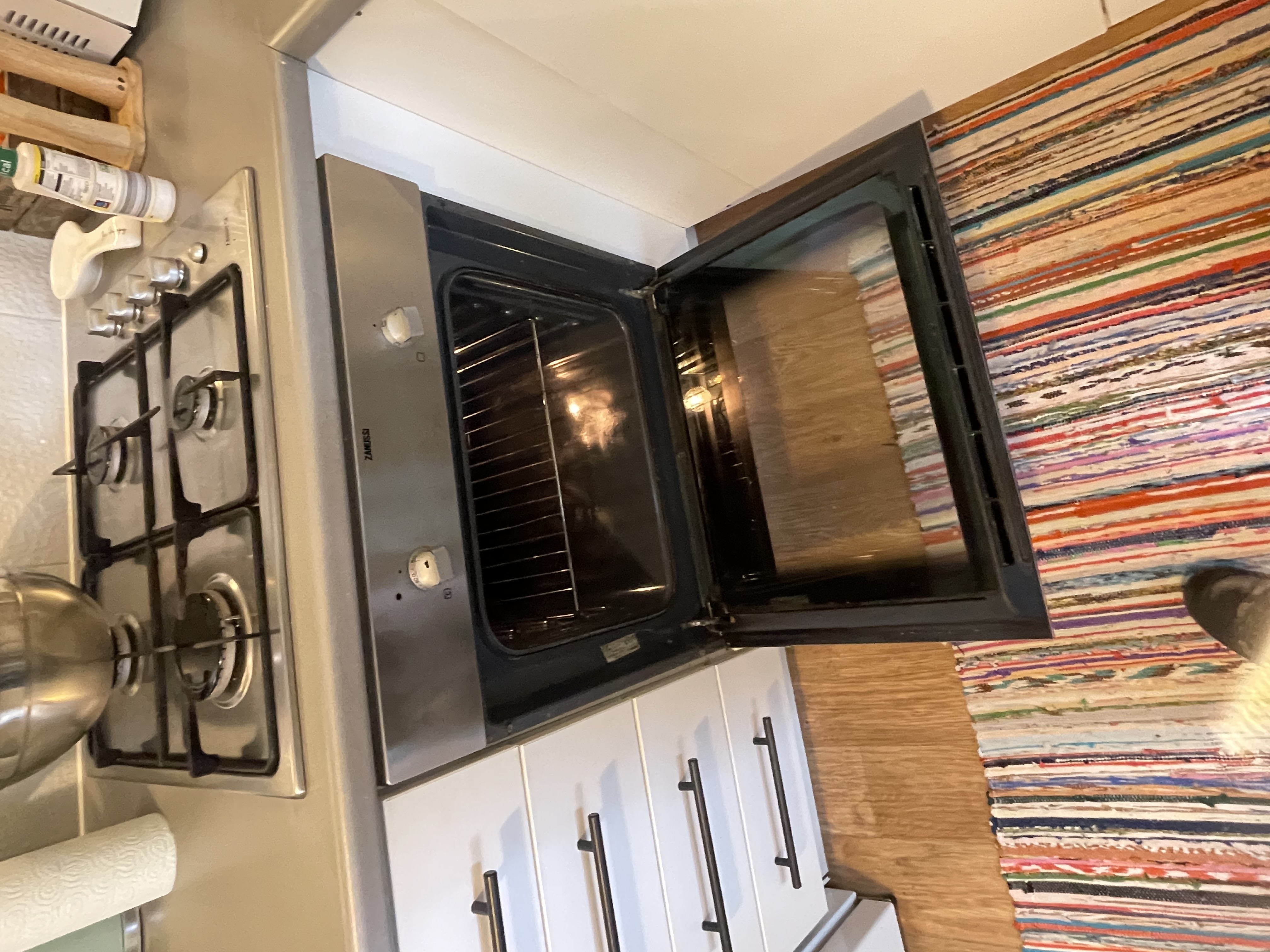
A worn oven door seal is one of those faults that creeps up on you. The rubber gasket that runs around the door, or sometimes around the inside of the oven cavity, is meant to form a tight barrier so heat stays where it belongs. Over time it hardens, splits, flattens or starts to come away at the corners. Once that happens, hot air leaks out around the door and your oven has to work harder to reach and hold temperature.
This guide explains how to recognise a failing seal, what it does to your cooking and your energy bills, and what oven door seal replacement actually involves. Because the seal sits behind or around the door, getting at it almost always means removing the oven door first, so we'll cover that properly too.
Signs your oven door seal is on the way out
A tired gasket rarely fails all at once. Watch for these tell-tale signs:
- Food taking longer to cook than it used to, or cooking unevenly, because heat is escaping.
- Heat you can feel around the edges of the closed door when the oven is on.
- Visible damage: cracks, splits, brittle patches or a section of the seal that has come loose and is hanging or falling away.
- The door not sitting flush against the frame, which can be the seal, the hinges, or both.
- Condensation or steam escaping from the door edges during cooking.
A seal that is flattened or perished simply can't grip the way it should. If you press a finger gently against the rubber and it feels rock hard rather than springy, it has likely lost its job. We've written more on the signs your oven door seal needs replacing if you want to be sure before you start.
Why a worn seal matters more than you think
An oven relies on a sealed cavity to trap heat. When the gasket fails, that trapped heat bleeds out into your kitchen instead of cooking your food. The knock-on effects add up:
- Slower cooking and poor heat distribution. If your oven is sluggish to come up to temperature or browns unevenly, a leaking seal is a common culprit. Our guide on why an oven takes too long to cook goes into this in more detail.
- Wasted energy. The element cycles on more often to make up for lost heat, which pushes up running costs. It's worth reading is a worn oven seal costing you money on energy if your bills have crept up.
- A door that won't shut properly. A bulky, misshapen or partly detached seal can stop the door closing cleanly, which only makes the heat loss worse.
None of this fixes itself, and a worn seal won't recover. The good news is that replacing it is a manageable job for most people, as long as you take the door off carefully.
Before you start: safety and a few checks
A few sensible steps make this job safer and stop you damaging the oven:
- Read your user manual first. It will tell you whether your oven door can be removed and flag any precautions specific to your make and model. Most modern ovens have removable doors to help with cleaning, moving and repairs, but this varies and not all doors come off.
- Make sure the oven is switched off at the plug and completely cool before you touch anything. If you'd like a refresher, here's how to safely isolate an appliance before a DIY repair.
- Wear protective gloves. They guard your hands and help protect the glass in the door.
- Get a second pair of hands if you need them. Oven doors can be surprisingly heavy and a little awkward to lift on your own.
- If you're unsure whether your door is removable, check the manual or speak to a local appliance repair technician before forcing anything.
Tools you'll need
- A flathead screwdriver (handy for releasing and resetting the hinge catches)
- Protective gloves (recommended)
- A replacement seal that matches your oven (see how to measure and choose the right oven door seal)
How to take the oven door off
This method is fairly universal and works on almost all household ovens with removable doors. Take your time and keep the door level.
- Open the oven door fully and find the hinges. They usually sit on both sides at the bottom of the door.
- Using a flathead screwdriver if needed, release the catch on each hinge and move it across to the opposite side until it won't go any further.
- With the catches set, the door will no longer shut properly. That's exactly what you want, as it means the door is now in the right position to be lifted off.
- Grip both sides of the door firmly and lift it straight up, keeping it parallel to the floor as you go. Take care, oven doors can be heavy.
- Once the door is lifted as far as it will go, pull it gently away from the oven to release it.
- Lay the door down on a soft but stable surface so the glass doesn't get scratched or knocked.
Replacing the seal
With the door off and resting safely, you can get at the gasket. Most oven seals either hook into small clips or locating holes around the cavity opening, or they slot into a channel around the door itself, depending on your model.
- Note how the old seal is fitted before you remove it, including which corner it starts at and how it tucks in at the hooks or clips.
- Ease the old seal out of its clips or channel, working your way around steadily.
- Fit the new seal the same way, pressing it firmly into each clip or along the channel so it sits evenly with no gaps, twists or slack sections.
- Make sure the corners are properly seated, as these are the spots most likely to leak if left loose.
For a more detailed walkthrough of the seal itself, see how to replace an oven or cooker door seal yourself. To keep your new gasket in good shape, it's worth knowing how to clean an oven door seal to make it last.
How to put the oven door back on
Refitting is the reverse of removal. Don't rush the alignment stage.
- Lift the door with both hands and line the hinges up with the hinge slots on the oven frame.
- You may need to nudge it a couple of times to get the hinges seated correctly on both sides.
- Once the hinges are properly in place, open the door fully so you can reach the catches.
- Move the catches back the opposite way to how you released them, using the flathead screwdriver if they're stiff.
- Check the hinges are secure by gently pulling on the door. It shouldn't move.
- Open and close the door a few times to make sure it swings smoothly and shuts flush against the new seal.
If the door still won't close cleanly once everything is back together, the hinges themselves may be misaligned. Our article on why an oven door won't close properly covers what to check next.
How difficult is this job?
Removing an oven door and swapping a seal is generally within reach of the average person or keen DIYer. It doesn't call for specialist tools or advanced technical knowledge. The main thing to respect is the weight and fragility of the door, so handle it carefully and follow the safety steps above. If at any point you're not confident, or you're worried about cracking the glass, it's better to stop and call in a professional than risk damaging the appliance.
When to call NAC
Faulty hinges, worn seals and broken glass panels are among the most common oven faults we're called out to, and they're all jobs that need the door removing to put right. If you'd rather not tackle it yourself, or your seal keeps failing and you suspect something else is going on, our engineers can diagnose the fault and fit a replacement seal for you.
NAC is a family-run business with engineers trained across all the major brands and appliance types. We offer same and next day repairs where possible, every repair is guaranteed, and there are no hidden charges. We quote a service charge up front that covers all labour, the callout and VAT where it applies. If any parts are needed, we'll quote those separately before doing the work, with no extra labour on top.
Ready to get it sorted? Book a repair or get in touch and we'll get an engineer to you, or check whether we cover your area. You can also see the brands we repair if you want to confirm we look after your make of oven.
- oven seal
- oven repair
- door gasket
- energy efficiency
Rather leave it to us?
- Fixed-price quote before any work starts
- Same or next-day visits where available
- UK-wide engineer coverage