












How to Clean an Oven Door Seal to Make It Last
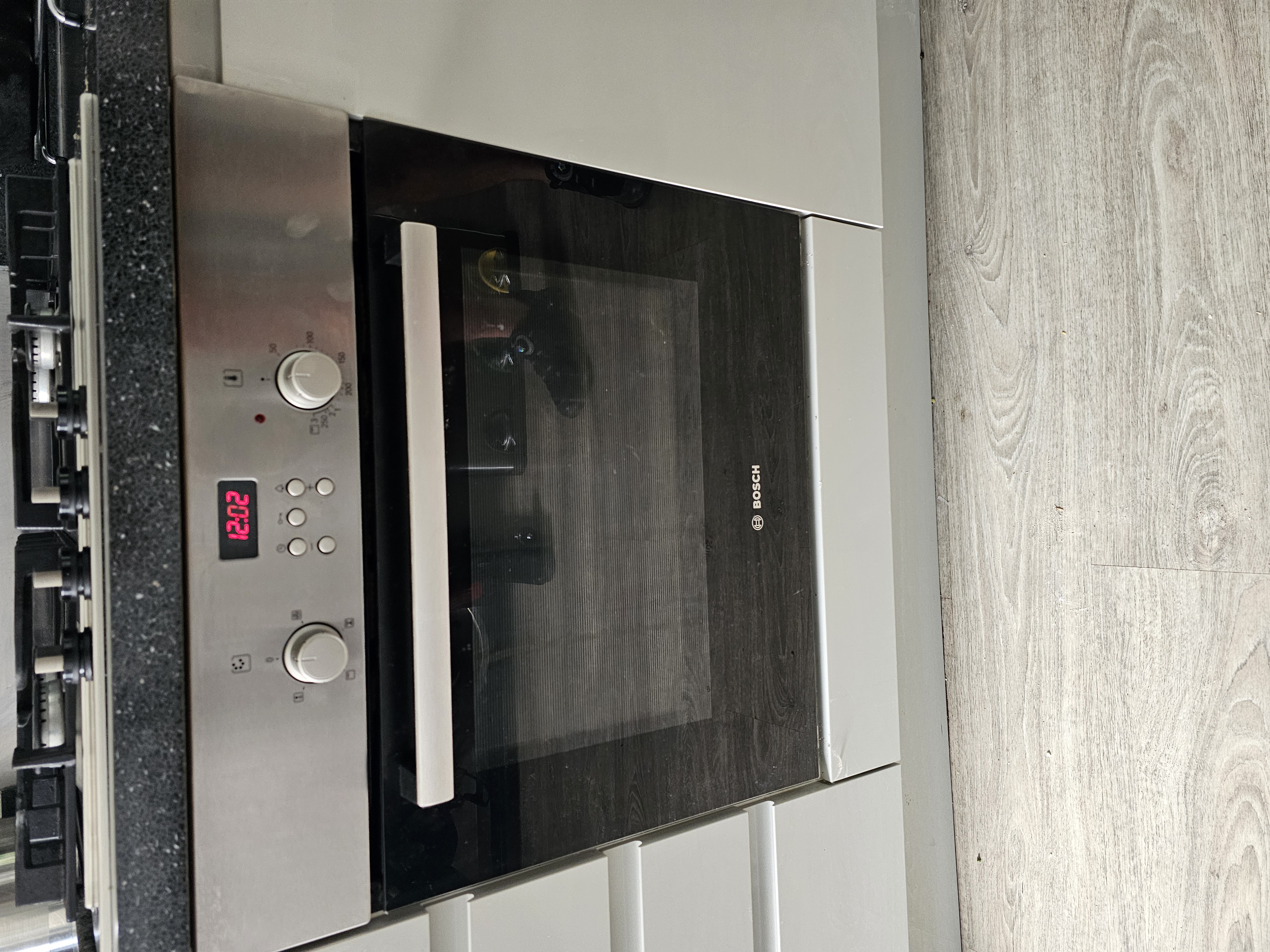
The door seal is one of the hardest working parts of your oven, and one of the easiest to neglect. It runs around the edge of the door, keeping heat where it belongs so your food cooks evenly. Left coated in grease and burnt-on spills, that same seal will perish far sooner than it should. A few minutes of gentle care every now and then keeps it supple, and a supple seal lasts.
This guide explains how to clean an oven door seal safely, which habits shorten its life, and why it is usually best to clean it without taking it off the door.
What your oven door seal is made of
Most oven and cooker door seals are made from a temperature-resistant silicone or a rubber. They are designed to cope with the heat inside the oven, but they are not indestructible. Scrub them with the wrong thing and you can tear, stretch or dry them out.
Look closely and you will see how the seal is built. It hooks into a small hole in each corner of the door, and there is a visible join where two sections of the seal meet. On a well-fitted seal that join sits at the bottom of the door. There is good reason for that, which matters when you start cleaning around it.
Why you shouldn't pull the seal off to clean it
It is tempting to unhook the whole seal, give it a soak and pop it back on. Resist that urge in most cases.
The seal sits under a bit of tension when it is fitted, with the hooks pulled into their corner holes. Take it off and refit it repeatedly and you risk stretching it or weakening that join. Heat rises inside the oven, so if a join is going to fail it tends to happen at the top of the door. That is exactly why the join is placed at the bottom, where a break causes far less trouble. Disturb the seal and refit it carelessly and you can undo that, leaving the weak point in the worst possible position.
For everyday cleaning, leave the seal hooked in place and clean it where it sits. You will get it just as clean and you won't be loosening anything that doesn't need loosening.
How to clean an oven door seal safely
Always start with a cold oven. Cleaning around a hot seal is unpleasant and the seal is softer and easier to damage when warm.
- Let everything cool fully. Open the door and check the seal is cold to the touch before you go near it.
- Wipe away loose debris. Use a dry soft cloth or a soft brush to lift off crumbs and flaky burnt bits first, so you are not grinding them into the rubber.
- Use warm water and a little washing-up liquid. A damp, soft cloth is all you need for most grease. Work gently along the seal, paying attention to the corners and the underside where spills collect.
- Soften stubborn marks. For baked-on grease, hold the damp cloth against the spot for a moment to loosen it rather than scrubbing hard.
- Get into the corners carefully. The hooked corners trap grime. A soft cloth wrapped around a finger usually does it. Don't poke at the hooks or try to lever the seal away from the door.
- Wipe clean and dry. Remove any soapy residue with a clean damp cloth, then dry the seal with a soft towel so moisture isn't left sitting on it.
What to avoid on silicone and rubber seals
A seal that perishes early has usually been attacked, not just used. Keep these away from it:
- Wire wool, scouring pads and any abrasive that can scratch or tear the surface.
- Knives, scrapers or anything sharp poked along the edges.
- Harsh caustic oven cleaners and strong chemical sprays meant for the oven cavity. If you use those inside the oven, keep them off the seal and wipe up any overspray straight away.
- Soaking the seal or letting it sit wet for long periods.
Gentle and regular beats harsh and occasional every time. Wiping the seal over when you clean the rest of the oven stops grease building into the hard, crusty layer that dries the rubber out and makes it crack.
How to tell the seal is past cleaning
Cleaning keeps a healthy seal healthy, but it won't rescue one that has already failed. Signs it needs replacing rather than reviving include:
- The seal coming away from the door or no longer sitting flush in its corners.
- Splits, hard brittle patches or sections that have gone flat and stopped springing back.
- Food burning on the outside while staying undercooked in the middle, or the oven taking longer than it should, both of which can point to heat escaping past a poor seal.
If you also spot cracked door glass, that is a separate problem worth getting looked at promptly, as the door is what keeps the heat contained safely.
Replacing a seal yourself
Fitting a new oven door seal is within most people's reach, and the method is much the same across most brands. The seal hooks into the hole in each corner of the door, one corner at a time, and you will feel some tension as you pull each hook into place. Remember to set the join at the bottom of the door for the reason explained above. If you would rather not tackle it, or you are unsure what is causing the heat loss, it is worth having an engineer confirm the fault before you spend on parts. Before any DIY work near an electric oven, take a moment to read our guide on how to safely isolate an appliance before a repair.
When to call NAC
If your seal has perished, the door glass has cracked, or your oven is cooking unevenly and you can't pin down why, we can help. Our engineers are fully trained across all the major makes, and you can see the brands we repair or browse our full range of services.
We quote a clear service charge before an engineer attends, covering callout, labour and VAT where it applies, with no hidden extras. If parts are needed we quote those separately for your approval first, and there is no additional labour charge on top. Every repair is backed by our standard guarantee of work.
We aim to get an engineer to you the same day you report the fault, or the next day wherever possible. Call us on 0333 016 9622 or use the Book A Repair button on our website to arrange a visit. You can also get in touch here and check we cover your area.
Look after the seal and it will look after your cooking. A quick wipe each time you clean the oven is the cheapest oven maintenance you will ever do.
- oven cleaning
- door seal care
- oven maintenance
- appliance care
Rather leave it to us?
- Fixed-price quote before any work starts
- Same or next-day visits where available
- UK-wide engineer coverage