












How to Clean Between Oven Door Glass Panels
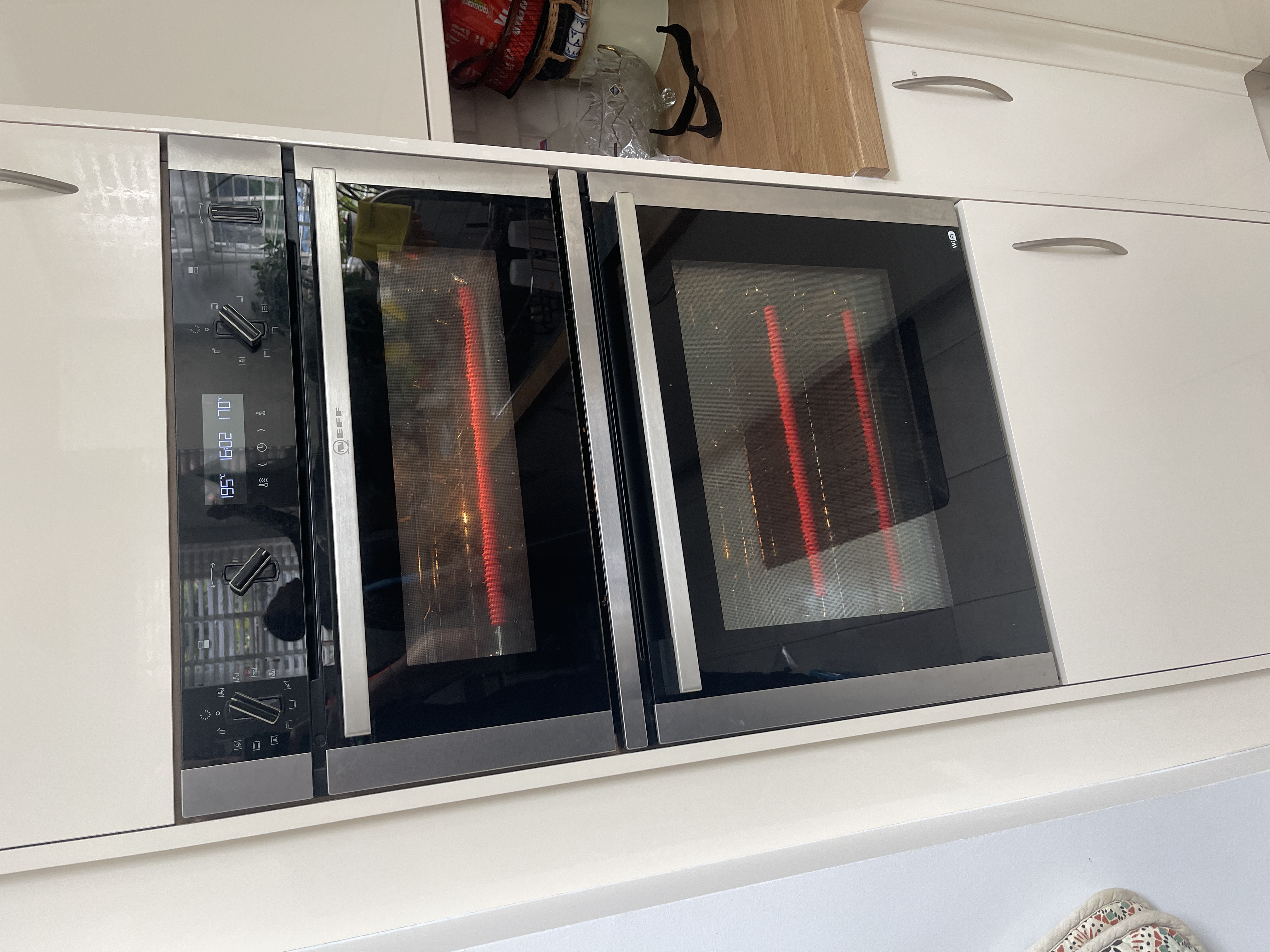
Few jobs feel more frustrating than wiping your oven door until it gleams, only to spot a foggy film of grease that's clearly on the inside of the glass. You can see it, but you can't reach it. That grime builds up in the gap between the two (or more) glass panels that make up the door, and a damp cloth on the outside won't touch it.
The good news is that you can usually clean between oven door glass without any specialist kit. The trick is gaining access, and for most household ovens that means safely removing the door first. Here's how to do it properly, get a streak-free finish, and avoid scratching or cracking the glass in the process.
Why grease gets trapped between the glass
Oven doors are built with an air gap between the panels to keep the outer surface cooler and improve insulation. Over time, steam, fat and food splatter find their way into that cavity through small vents around the door. Because nothing wipes it away, it bakes on and gradually clouds the glass.
Reaching it isn't always straightforward. Cleaning the panels, and especially getting in between them, is fiddly. Taking the door off gives you access to the nooks and crannies you simply can't get to while it's still attached to the oven.
Before you start: safety first
A bit of preparation keeps you and your oven safe.
- Read your user manual. A quick look will confirm whether your particular door is designed to be removed, and flag any precautions specific to your model.
- Switch off and cool down. Make sure the oven is switched off at the plug and completely cold before you touch anything. If you want a refresher on doing this safely, see our guide on how to safely isolate an appliance before a DIY repair.
- Wear protective gloves. They protect your hands and reduce the risk of marking or chipping the glass while you handle the door.
- Get a helper if needed. Oven doors can be surprisingly heavy. Depending on your strength, it's worth having someone nearby to help with the lift.
If you're not confident, or you're worried about damaging the door, there's no shame in calling in your local NAC engineer instead.
What you'll need
- A flathead screwdriver (only if your hinge catches need it)
- Protective gloves
- A soft, stable surface to rest the door on (a towel on a worktop or table works well)
- Warm soapy water and a soft, non-abrasive cloth or sponge
How to remove the oven door for cleaning
The method below is broadly the same across almost all household ovens, regardless of brand.
- Open the door fully and find the hinges, which usually sit on both sides at the bottom of the door.
- Release the catch on each hinge, using a flathead screwdriver if needed, and move it across to the opposite side until it won't go any further.
- With the catches flipped, the door won't shut properly. That's exactly what you want, it tells you the door is now in the right position to lift out.
- Grip the sides of the door firmly and lift it straight up, keeping it level with the floor as you go. Take your time, as the door can be heavy.
- Once it's fully lifted, pull the door away from the oven. It's now free.
- Lay the door down carefully on your soft but stable surface to avoid any unnecessary damage to the glass.
Cleaning between the glass panels
With the door off and flat, you can finally get at the inner glass.
- Some doors let you separate or partially open the inner panel via clips, screws or tabs once the door is removed. Check your manual before forcing anything, as designs vary.
- Use warm soapy water and a soft cloth to lift the grease. Work patiently and let the solution soak on stubborn marks rather than scrubbing hard.
- Steer clear of abrasive scourers, wire wool and harsh scrapers. They can scratch the glass, and scratches weaken it.
- Dry and buff with a clean, lint-free cloth for a streak-free finish before you reassemble.
If the glass is already chipped or cracked rather than just dirty, stop and read our advice on cracked oven door glass and what to do next before going any further.
How to refit the oven door
Once everything is clean and dry, put the door back on.
- Lift the door with both hands and line the hinges up with the hinge slots on the oven frame.
- You may need to wiggle and readjust a couple of times to get both hinges seated correctly.
- With the hinges in place, open the door fully so you can reach the catches.
- Move the catches back the opposite way to how you opened them, using the flathead screwdriver again if they're stiff.
- Check the hinges are secure by gently pulling on the door. It shouldn't shift.
- Open and close the door a few times to make sure it moves smoothly and seals properly.
If the door doesn't sit right or won't close cleanly afterwards, take a look at our guide on why an oven door won't close properly.
Are all oven doors removable?
Generally, yes. Most modern ovens have removable doors precisely to make cleaning, moving and repairs easier. That said, it does vary between makes and models, and not every door comes off. If you're unsure, check the manual first or speak to a local appliance repair technician so you don't risk damaging the appliance.
For most people this is a manageable job. It doesn't need specialist tools or technical know-how, just care and a bit of patience, because oven doors are both heavy and delicate.
Other reasons you might remove the door
Cleaning is the most common reason, but it's not the only one:
- Repairs and replacements. Faulty hinges, worn seals and broken glass panels are common oven faults, and none can be sorted without taking the door off. If your seal is past its best, see signs your oven door seal needs replacing and how to replace an oven or cooker door seal.
- Moving. Taking the door off makes the oven lighter and easier to lift, and protects the glass during a house move or kitchen rearrange.
- Adjustments. A misaligned door or hinge can stop the oven closing properly and hurt its performance. Removing the door is often the only way to put that right.
Keeping the seal clean also helps the door close tightly, so it's worth reading how to clean an oven door seal to make it last while you're at it.
When to call NAC
If the glass is damaged, the hinges feel loose or worn, or the door simply won't seat correctly after cleaning, it's best to have it looked at properly. NAC engineers are fully trained across all the major brands and appliances, and we can repair any make of oven.
We quote a service charge before an engineer visits, covering all labour, callout and VAT where it applies. The only extra is for parts if they're needed, and we'll always quote those separately before any work goes ahead. Repairs come with a guarantee, with the exact length depending on the parts fitted and covered under our terms and conditions.
To book a repair or ask a question, get in touch with NAC or call us on 0333 016 9622. You can also see the full range of appliances we repair and the brands we cover.
- oven cleaning
- oven door glass
- kitchen cleaning
- maintenance
Rather leave it to us?
- Fixed-price quote before any work starts
- Same or next-day visits where available
- UK-wide engineer coverage