












How to Measure and Choose the Right Oven Door Seal
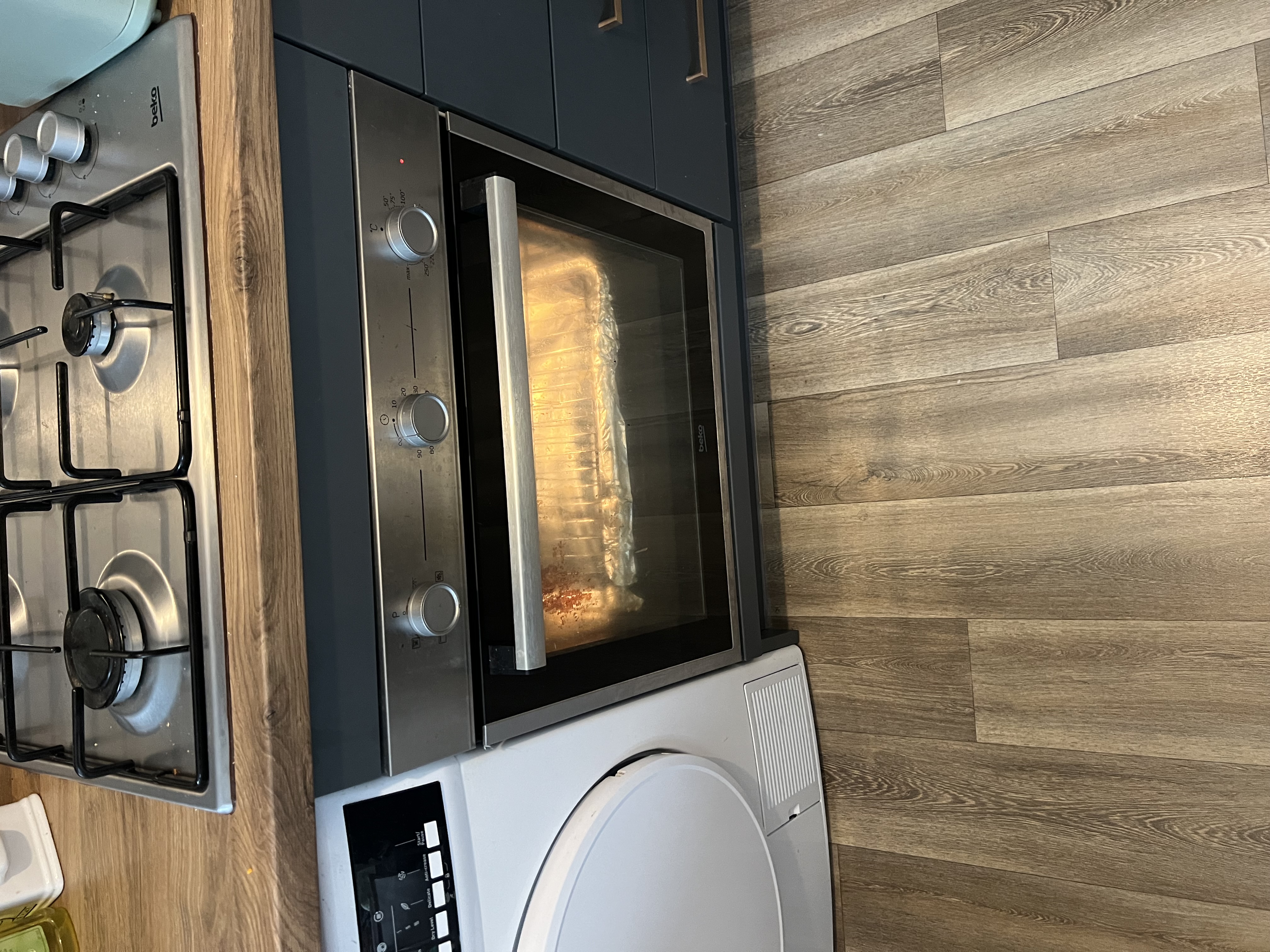
A worn or split oven door seal lets heat escape, which means longer cooking times, uneven baking and a cooker that struggles to hold temperature. Replacing it is one of the more approachable jobs you can do at home, but the part has to be right before you start. Getting the correct oven door seal replacement part is the bit most people get wrong, so this guide walks through how to identify what you've got, measure it properly and order with confidence.
Why the right seal matters
The seal runs around the inside of the oven door (or the oven frame, depending on the model) and presses against the metal to keep hot air where it belongs. If it's perished, flattened, torn or pulling away from the corners, the door won't sit tight and the heat leaks out. A like-for-like replacement restores that snug fit. A seal that's the wrong length or fixing type simply won't stay put.
What an oven door seal is made from
Most oven door seals are made from a temperature-resistant material, usually silicone or rubber, so they can cope with the heat without melting or going brittle too quickly. Take a close look at yours before you buy and you'll notice a few things that help you match it:
- A hook in each corner, one per corner, that locates into a hole on the door.
- A visible join where two lengths of the seal have been joined together to form the full loop.
Those features tell you the seal is the hook-in-corner type, which is the most common design and the one this guide covers.
How to measure and choose the correct part
Because oven sizes and corner fixings vary from one appliance to the next, the safest approach is to match the seal to your specific cooker rather than guessing.
- Have your appliance details to hand. Note the make and model of your oven or cooker. Ordering against the exact model is the most reliable way to get a seal that fits the door dimensions and the corner hooks.
- Check the corner fixings. Count the hooks (one in each corner) and look at how they locate, so the new seal matches the holes on your door.
- Measure the existing seal. With the old seal still in place, or laid out flat once removed, measure its length so you can compare it against the replacement.
- Note the join. Spot where the two sections of seal meet. You'll want to position that join correctly when you fit the new one (more on that below).
If you're unsure whether a particular seal is correct for your model, it's worth checking before you buy. Ordering the wrong part is the most common reason a simple job stalls.
Fitting the new seal
The method is similar across most brands, and it's genuinely within most people's skill set, so it's worth attempting yourself.
Step 1: Identify the seal and plan the join. Confirm it's the silicone or rubber hook-corner type with a hook in each corner, and find the visible join. Position the seal so the join sits at the bottom of the door. Heat rises, so if the join ever breaks it'll cause far less trouble at the bottom than it would at the top.
Step 2: Insert the hooks one by one. Push each corner hook into the matching hole in each corner of the oven door. Expect a bit of tension in the seal as you work around, that's normal, and it's what keeps the seal taut once it's in.
That's it. Close the door and check it sits flush all the way round.
Before you start any hands-on work, it's sensible to read our guide on how to safely isolate an appliance before a DIY repair. While you've got the oven open, you might also fancy ticking off other small jobs like changing an oven light bulb.
What about parts and cost?
If you'd rather we sorted it, we'll quote a service charge up front that covers all labour, callout and VAT where applicable. If a part such as a door seal is needed, we quote that separately and let you know before any work goes ahead, so there are no surprises and no extra labour charges on top. Any repair we carry out is covered by our guarantee of work.
When to call in an engineer
A door seal swap is usually straightforward, but if the corners won't locate, the door still won't seal once the new one is fitted, or the oven isn't holding temperature for other reasons, there's likely more going on. We repair all makes of oven and cooker, and we aim to get an engineer to you the same day you report the fault, or the next day where possible.
You can book a repair or get in touch here, or take a look at the brands we repair and the services we offer. Whether it's a quick seal change or something trickier, we'll get your oven sealing properly again.
- oven door seal
- spare parts
- measuring
- oven repair
Rather leave it to us?
- Fixed-price quote before any work starts
- Same or next-day visits where available
- UK-wide engineer coverage