












How to Change an Oven Light Bulb: Easy Step-by-Step Guide
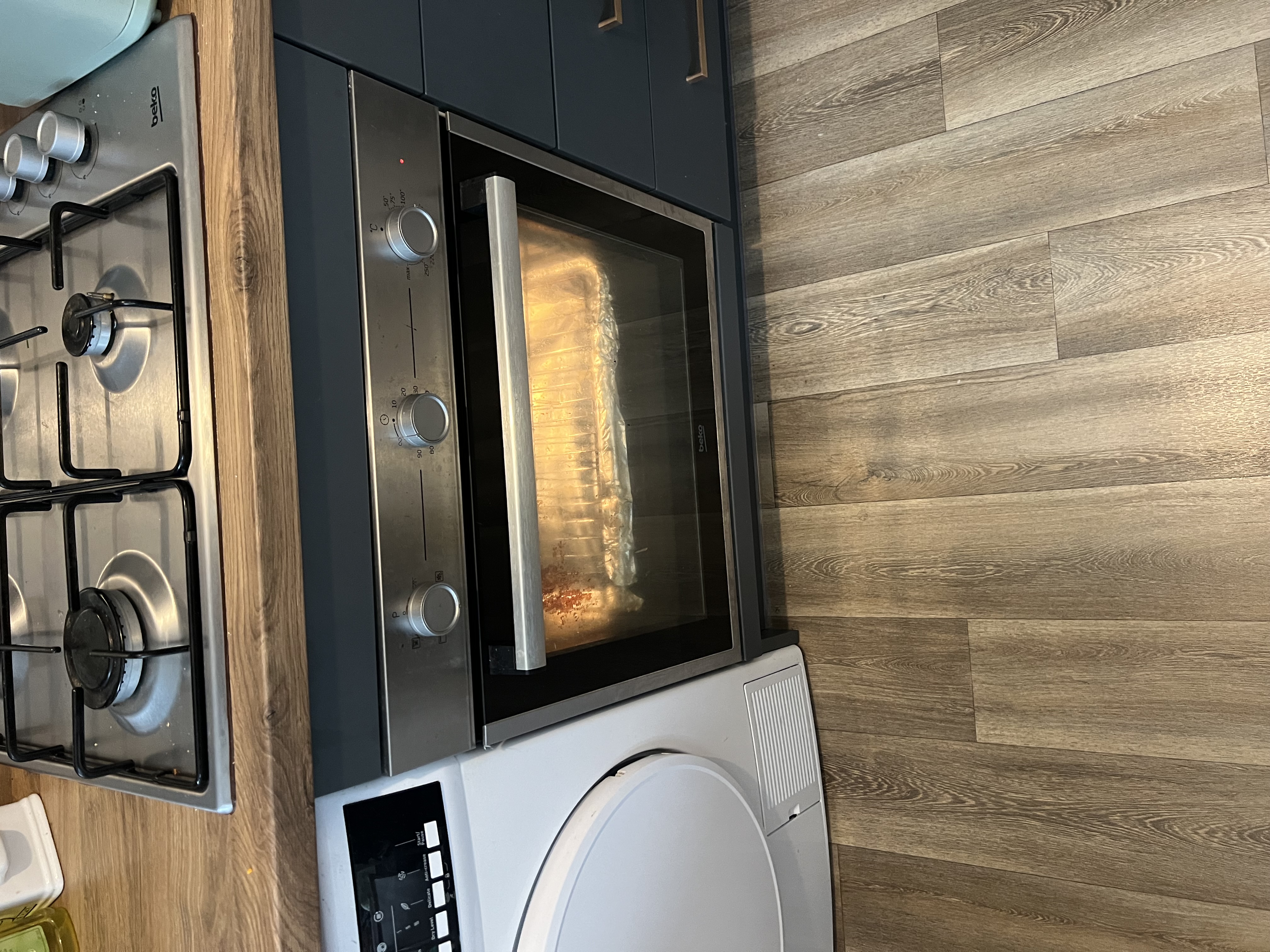
A dead oven light is a small annoyance that quickly becomes a daily one. You open the door to check on dinner, peer into the gloom, and end up letting all the heat out just to see whether the top of the lasagne has browned. The good news is that learning to change an oven light bulb is one of the easiest appliance jobs you can do yourself, and most people manage it in a few minutes once they know what to look for.
This guide walks you through it safely, from isolating the power and letting the oven cool, to removing the glass cover or panel, swapping the bulb (whether it's a screw-in or push-and-turn type) and testing it. If it still won't light afterwards, we'll explain what that usually means and when it's worth calling us in.
Why the oven light actually matters
It's easy to think of the oven light as a nice-to-have, but it does a few useful jobs:
- It gives you visibility while you cook, so you can see what's going on inside.
- It lets you judge whether food is cooked without guesswork.
- You can check on your food from outside the door, without opening it and dropping the temperature.
- It acts as a visual reminder that the oven is on. When the bulb is lit, you know the oven is in use and to take care around it.
Will the oven still work without the light?
Technically, yes. If the bulb has blown, the oven should still heat up perfectly well. The problem is purely practical. Without the light you can't easily tell at a glance whether the appliance is switched on, and you can't see when your food is ready as clearly. It makes everyday cooking more fiddly, which is reason enough to sort it out.
Can you use any old light bulb?
No, and this is the part people most often get wrong. A standard light bulb from your usual light fittings will not do. Oven bulbs are specially made to a higher standard so they can cope with the high temperatures inside the appliance. Always buy the correct type of bulb for your specific oven model from a trusted appliance spares supplier. Fitting the wrong bulb is asking for trouble.
What you'll need
Before you start, get these together:
- A replacement oven light bulb that fits your appliance model
- A screwdriver, which you may need to remove a panel or the bulb cover
- Protective gloves (highly recommended for extra grip and to protect your hands from cuts if the glass bulb happens to smash)
How to Change an Oven Light Bulb: Step by Step
1. Take safety precautions first
Isolate the appliance from its power supply before you touch anything. For most ovens this is as simple as pulling the plug out of the socket. If yours is a larger hardwired appliance, switch the power off at the isolator switch and turn off the relevant fuse in your fusebox. If the oven has been used recently, let it cool down completely before going any further. A hot oven and bare hands are a bad mix.
2. Gather your tools
With the appliance safe to work on, bring together your replacement bulb, a screwdriver in case you need to undo a panel or cover, and your protective gloves.
3. Locate the bulb
Find the light bulb inside the oven cavity. If you're struggling to spot exactly where it is, check your oven's user manual, which will show its location for your particular model.
4. Remove the cover
Most ovens have a cover over the bulb to shield it from fat, grease and food debris. If there's a glass cover, gently unscrew it by turning it anticlockwise. If a panel or cover is in the way instead, use your screwdriver to undo the screws holding it in place. Pop those screws somewhere safe, as you'll need them again shortly.
5. Remove the old bulb
With clear access and your gloves on, carefully take out the old bulb. How you do this depends on the type:
- Screw-in type: turn it anticlockwise to unscrew it.
- Push-and-turn type: gently push the bulb in while turning it anticlockwise.
6. Fit the new bulb
Using light pressure, gently screw the new bulb into the socket and make sure it's fully secure. Don't overtighten it, just enough that it sits firmly in place.
7. Replace the cover
Put the glass cover or panel back where it was. Secure a panel with the screws you set aside, or screw a glass cover back on clockwise until it's snug.
8. Test it
Reconnect the power, switch the oven on and check the new bulb lights up. If it doesn't, go back over the previous steps and make sure each one was done correctly.
What if the new bulb still won't light?
If you've fitted the correct bulb, checked it's seated properly and double-checked every step, but the light still won't come on, the fault may be something more serious than the bulb itself. Issues with the lamp holder, wiring or other components are best handled by a professional.
That's where we come in. Our engineers are fully trained by us to work on all makes and appliances, and we can get your oven light, and your oven, working properly again. We quote a service charge upfront that covers all labour, the callout and VAT where it applies, so there are no hidden surprises. The only extra would be for any parts needed, and we'll always quote those separately before carrying out the work. Every repair is guaranteed too, with the guarantee length depending on the parts fitted (full details are in our terms and conditions).
You can book a repair or get in touch here, or call us on 0333 016 9622. As a family-run business, we offer same and next day repairs wherever possible, and we cover a wide range of areas, so feel free to check our service areas and the brands we repair.
For more practical fixes around the home, have a browse of our other guides too, like what to do if coins or keys get stuck in your washer.
- oven light
- oven bulb
- DIY repair
- oven maintenance
Rather leave it to us?
- Fixed-price quote before any work starts
- Same or next-day visits where available
- UK-wide engineer coverage