












Faulty Oven Timer: Signs, Causes and When to Repair
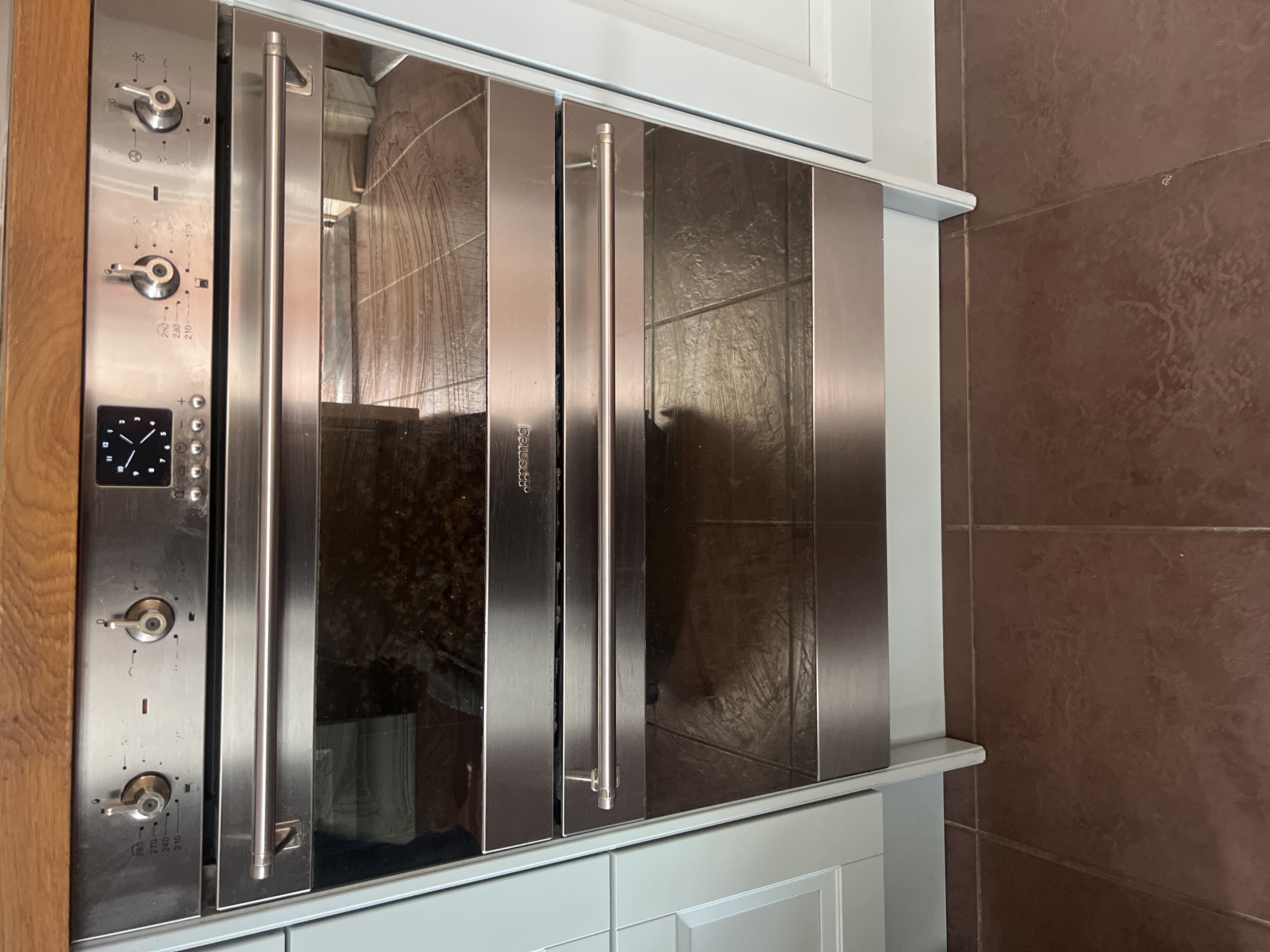
If your grill or top oven is working perfectly but the main oven simply refuses to heat, an oven timer fault is one of the first things worth checking. It catches a lot of people out, because the timer does far more than tell the time. On most ovens with an electronic clock, it also acts as the on/off switch for the main oven.
This guide explains how the timer controls your oven, how to tell the difference between a simple settings problem and a genuine hardware fault, and when it makes sense to book an engineer.
What the electronic timer actually does
Ovens fitted with an electronic timer are designed so you can tell the oven when to switch the main cavity on and when to turn it off again at set times. That programming ability is handy for getting a roast started while you are out, but it comes with a catch.
The timer effectively becomes the on/off switch for the main oven. If the timer isn't happy, the main oven won't get the signal to fire up. The good news is that the timer normally has no say over the top oven, which is why the top can keep working while the main one sits cold.
The flashing clock: why the main oven won't switch on
The most common scenario we hear about isn't really a fault at all. After a power cut, or if you have turned the power off at the wall to give the oven a deep clean, you will often come back to find the clock flashing.
While the clock is flashing, the main oven will not switch on. The top oven carries on as normal, so it is easy to assume the oven has developed a fault. In reality the timer is just waiting for you to tell it the power is back and it can pick up where it left off.
This is exactly where the confusion comes from. People see one oven working and the other dead and reach for the phone, when a quick adjustment on the timer is all that's needed.
How to stop the clock flashing
Here is the part that surprises most people: you do not need to set the correct time of day to get the main oven working again. You simply need to set a time, any time, to stop the clock flashing. Once the display stops flashing, the timer hands control back and the main oven should respond again.
The tricky bit is that there are dozens of different timers across the various brands, and the buttons and sequences vary from one to the next. Some are very simple to set in a few presses. Others are far less obvious, and without your oven's instruction booklet to hand it can be a real head-scratcher. If you no longer have the manual, it is well worth searching online for the setting instructions for your specific make and model before assuming the worst.
When it's a genuine timer fault, not a setting
Timers can and occasionally do fail in their own right. If the timer module itself is faulty, it will stop the main oven from switching on completely, in much the same way the flashing clock does.
So how do you tell the two apart? It comes down to one simple test:
- Settings issue: the clock is flashing, you set a time, the flashing stops and the main oven works again.
- Hardware fault: you have set the time, the display looks normal, but the main oven still won't come on.
If you have tried adjusting the time and the main oven is still not heating, that points to a fault with the timer itself rather than anything to do with the settings. At that stage it is a repair job rather than a quick fix.
A quick troubleshooting summary
| What you see | Likely cause | What to do |
|---|---|---|
| Clock flashing, main oven dead, top oven fine | Power was interrupted, timer needs resetting | Set any time to stop the flashing |
| Clock set and steady, main oven still won't heat | Possible timer or module fault | Book an engineer to diagnose |
| Top oven works, main oven won't despite a set clock | Timer not handing control to the main oven | Book an engineer to diagnose |
Before you do anything involving the wiring or the back of the appliance, it is always worth knowing how to safely isolate an appliance before a DIY repair. And if the main oven is heating but taking forever, that is a separate issue covered in our guide on why your oven takes too long to cook food.
When to book a NAC engineer
If you have set the clock, the flashing has stopped, and the main oven still refuses to switch on, it is time to get it looked at properly. A failed timer or programmer needs testing and, where necessary, replacing, and that is a job for a qualified appliance engineer.
Booking is quick and easy. Use the Book A Repair button on our website, or call us on 0333 016 9622. We aim to send an engineer the same day you report the fault, or the next day wherever possible.
Clear costs, no surprises
We quote a service charge before an engineer attends. That covers all the labour, the callout and VAT where applicable. The only thing that may be added is the cost of any parts needed, and we always quote those separately and get your agreement before any work goes ahead. There is no extra labour charge on top, it is all included in that initial service charge.
All our repairs come with a guarantee for your peace of mind, with the exact length depending on the parts fitted and covered under our terms and conditions. You can read more about us and the way we work, or take a look at our oven and cooker repair services and the brands we repair.
A flashing clock is usually nothing to worry about. But when setting the time doesn't bring the main oven back to life, NAC can diagnose the timer fault and get your oven cooking again.
- faulty timer
- oven repair
- control module
- troubleshooting
Rather leave it to us?
- Fixed-price quote before any work starts
- Same or next-day visits where available
- UK-wide engineer coverage