











How to Descale a Coffee Machine & Prevent Limescale
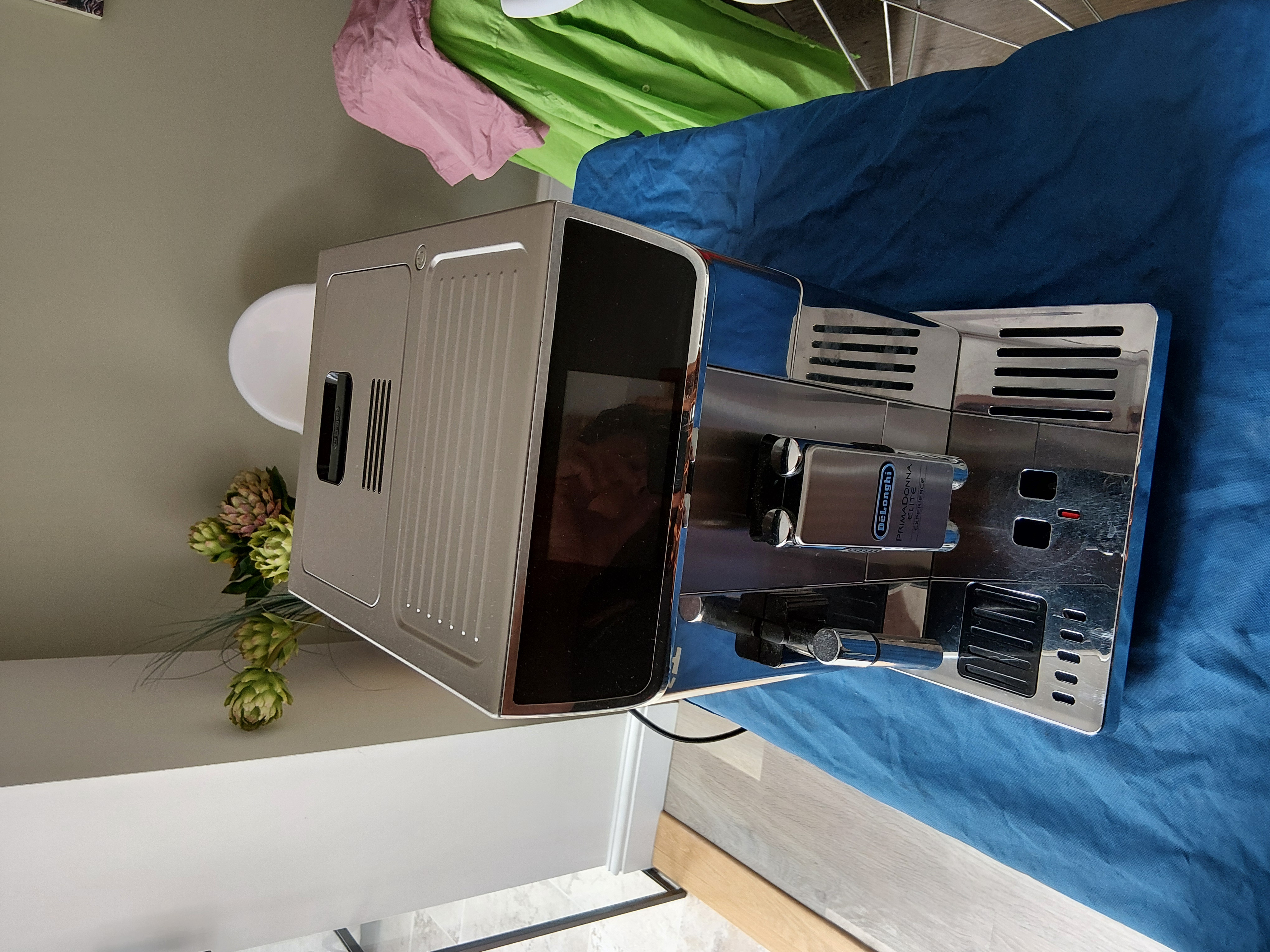
If your morning coffee has started tasting flat, taking longer to brew or coming out barely warm, hard water is usually the culprit. Learning how to descale a coffee machine properly, and doing it on a sensible schedule, is the single best thing you can do to keep it running for years rather than months. This guide walks through the why, the how and the warning signs that mean it is time to stop and call an engineer.
Why limescale wrecks coffee machines
Every time your machine heats water, tiny amounts of dissolved calcium and magnesium get left behind as scale. In soft-water areas that build-up is slow. Across much of the UK, though, the water is hard or very hard, and scale can coat the boiler, the heating element and the narrow internal pipes surprisingly quickly.
Once that chalky layer forms, a few things start to go wrong:
- The heating element has to work harder and struggles to reach the right temperature, so your coffee comes out lukewarm.
- Water flow slows as scale narrows the pipes and blocks valves, which means longer brew times and weaker shots.
- The pump strains against the restriction, which shortens its life.
- Loose flakes of scale can jam moving parts or clog the group head on an espresso machine.
Left long enough, a problem that a simple descale would have fixed turns into a failed pump, a burnt-out element or a blocked solenoid valve. That is the difference between ten minutes of maintenance and a repair.
How often should you descale?
There is no single answer, because it depends on how hard your water is and how much coffee you make. As a rough guide:
- Hard-water areas: every four to eight weeks.
- Soft-water areas: every two to three months.
- Heavy daily use: lean towards the shorter end of those ranges.
Many machines have a descale light or alert that comes on after a set number of cycles. Treat it as a prompt, not the whole story. If your water is hard, you may need to descale before the light ever appears. Not sure how hard your water is? Your water supplier publishes hardness figures for your postcode, and it is worth checking, because the same information affects your dishwasher and washing machine too.
Warning signs it is overdue
Keep an eye out for these tell-tale symptoms:
- Coffee that is cooler than it used to be.
- Slower brewing or a weaker, thinner flow.
- More noise from the pump than normal.
- Spluttering, steam or uneven dripping from the spout.
- Visible white, chalky deposits around the water tank, spout or drip tray.
- A flashing or steady descale warning light.
If you spot any of these, descale sooner rather than later.
How to descale a coffee machine step by step
The exact buttons differ between brands, so always check your machine's manual first. The principle is the same across bean-to-cup, pod and traditional espresso machines.
- Empty and clean the removable parts. Take out the water tank, drip tray and any used pods or grounds. Rinse them and remove the water filter cartridge if one is fitted, as the acid in descaler can damage it.
- Mix your descaling solution. Use a proper coffee machine descaler and follow the dilution on the pack. A citric acid solution works on many machines, but check your manual, as some manufacturers specify their own product. Fill the tank to the level stated.
- Run the descale cycle. If your machine has a dedicated descale mode, start it and let it work through automatically. If not, run the solution through as if brewing, catching it in a large jug or cup placed under the spout. Some machines let the liquid sit for a few minutes partway through to dissolve stubborn scale.
- Do the steam wand and hot-water outlet too. On espresso machines, run some solution through the steam wand and any separate hot-water tap so the whole system gets treated.
- Rinse thoroughly. This part matters. Refill the tank with fresh, clean water and run at least two full tanks through to flush out every trace of descaler. Any left behind will taint the next few cups.
- Refit the filter and reassemble. Pop the water filter cartridge back in, replace the tank and trays, and make a throwaway coffee to check the taste before you drink one.
A quick word of caution: never use household descalers, vinegar in a machine the maker advises against, or anything not designed for the job. The wrong product can corrode seals and internal metal, and it may void any manufacturer support you have.
Simple ways to slow limescale down
Descaling treats the build-up. These habits stop so much forming in the first place:
- Use filtered water. A jug filter or the machine's own cartridge cuts the minerals going in.
- Fit and replace the water filter on schedule. It only helps if it is changed when the manufacturer says.
- Empty the tank at night. Standing water is where scale and stale flavours begin.
- Wipe the spout, tray and steam wand daily. Deposits are easier to remove before they harden.
- Descale on time, every time. A calendar reminder beats waiting for the light.
If you are already thinking about hard water, it is worth getting your other appliances right too. Our guides on the dishwasher water hardness setting and why dishwasher salt matters and how to refill it tackle the same problem elsewhere in the kitchen.
When descaling doesn't fix it
Sometimes you descale by the book and performance still doesn't come back. That usually means scale has already caused damage, or the fault lies elsewhere. Call in an engineer if you notice:
- Coffee that stays cold even after a thorough descale, which can point to a failing heating element or thermostat.
- No water coming through, or only a trickle, suggesting a blocked valve or a struggling pump.
- Persistent leaks from the base or around seals.
- Loud grinding, knocking or rattling from the pump.
- A descale warning that won't clear once the cycle is finished.
- Error messages or warning lights that stay on after maintenance.
These are signs that a component needs inspecting or replacing, and forcing more cycles through can make things worse.
Get your coffee machine repaired by NAC
When descaling has run its course and the machine still isn't right, our engineers can help. We repair coffee machines across the UK and cover all the brands we work with, diagnosing the fault and putting it right rather than leaving you to guess.
Before anyone visits, we quote a clear service charge that covers all the labour, the callout and VAT where it applies. If parts are needed, we quote those separately and get your go-ahead first, with no extra labour charge on top. Every repair comes with a guarantee, the length of which depends on the parts fitted and is set out in our terms and conditions.
Book a repair or get in touch with NAC and we will get your coffee machine back to doing what it should.
- coffee machine
- descaling
- limescale
- hard water
- maintenance
Rather leave it to us?
- Fixed-price quote before any work starts
- Same or next-day visits where available
- UK-wide engineer coverage