












Coffee Machine Not Pumping Water? Causes & Fixes
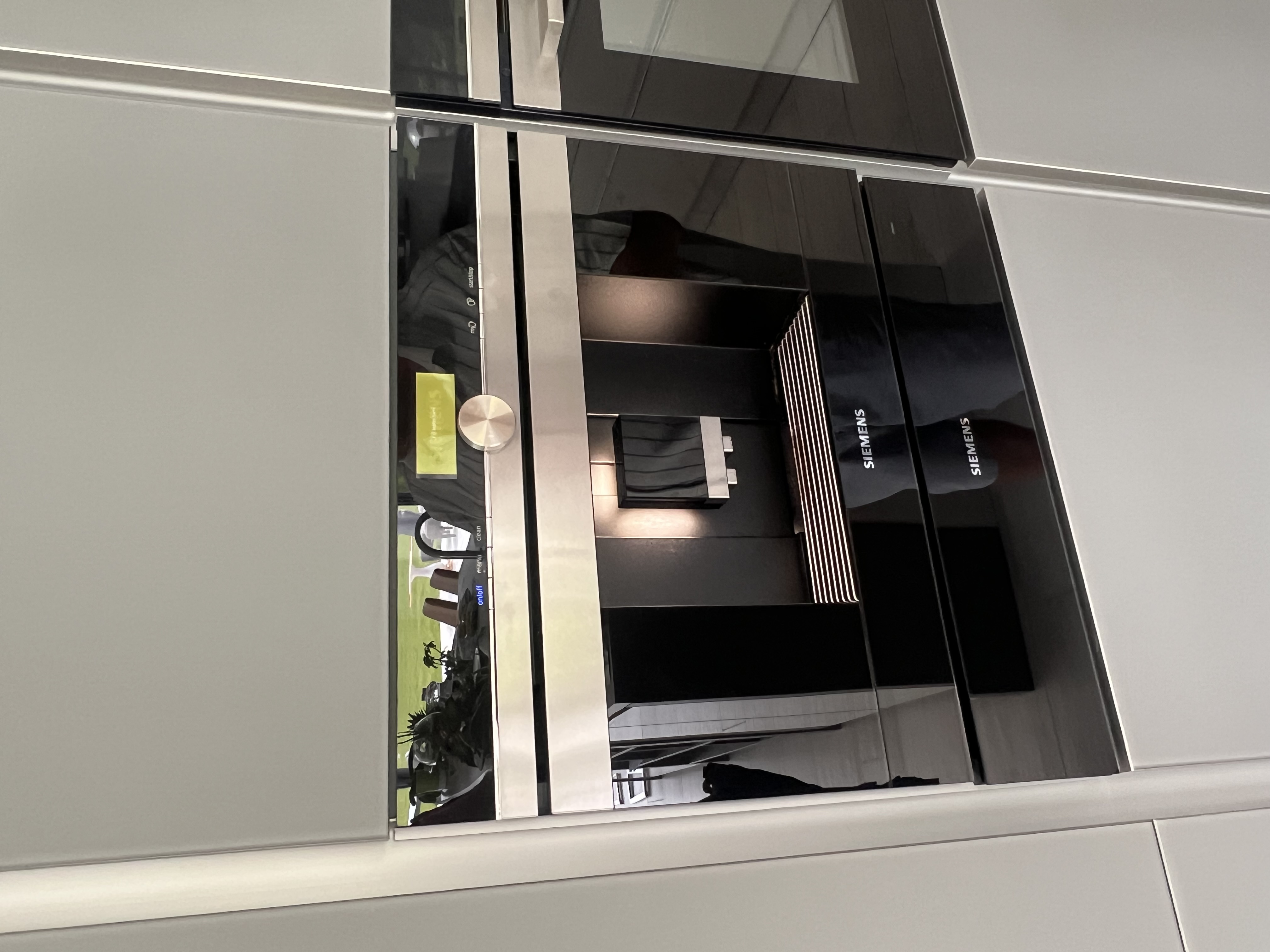
You've filled the tank, popped in a pod or a fresh dose of grounds, pressed the button, and... nothing. The machine hums, maybe rattles a little, but no water reaches the cup. A coffee machine not pumping water is one of the most common faults we're asked about, and the good news is that a fair few causes are things you can check at home before anyone needs to open the machine up.
Below, we'll walk through what stops water flowing, how to try and clear it yourself, and the point at which it becomes an internal repair best left to an engineer. This applies to bean-to-cup machines, pod machines and pump espresso machines alike.
Why your coffee machine won't pump water
Most "no water" faults come down to one of four things: an airlock in the system, a blockage in the pipes or spouts, limescale seizing up a valve, or a pump that has simply given up. Working through them in order usually points you to the culprit.
1. An airlock in the system
An airlock is trapped air sitting in the water lines where the water should be. The pump ends up pushing air around instead of drawing water through, so nothing comes out of the spout. You'll often hear the pump running louder or more strained than normal, sometimes with a spluttering noise.
Airlocks are common after the tank has run completely dry, after descaling, or when the machine hasn't been used for a while. They're also the easiest fault to fix, and priming the machine usually clears them (more on that below).
2. A clogged or blocked pipe
Coffee machines move water through narrow internal pipes and out through small spouts and screens. Old coffee oils, fine grounds, milk residue and general gunge can build up and choke the flow. Pod machines are prone to blockages around the piercing needle and the pod holder, where grounds and dried coffee collect.
Signs of a blockage include water coming out slowly, dripping rather than flowing, or the machine straining with only a trickle appearing.
3. A scaled-up valve
If you live in a hard water area, limescale is the biggest long-term enemy of any coffee machine. Scale forms inside the boiler, the pipework and the valves that control where water goes. A valve furred up with scale can stick partly or fully closed, and once that happens the pump can push all it likes but the water has nowhere to go.
Regular descaling is what keeps this from happening. If you've skipped it for a long time, scale is a very likely reason the water has stopped.
4. A failed water pump
The pump is the heart of the machine. It's what pressurises the water and drives it through the coffee. Pumps can wear out over time or fail suddenly. Tell-tale signs of a pump problem are a machine that stays silent when it should be pumping, or one that buzzes and vibrates but moves no water at all even after you've ruled out airlocks and blockages.
A genuinely failed pump is an internal repair. It isn't something you can clear with cleaning or priming.
Quick checks before you assume the worst
Start with the simple things. It's surprising how often the fix is straightforward.
- Check the water level. Make sure the tank is properly filled and hasn't dropped below the minimum mark.
- Reseat the tank. Lift it out and push it firmly back into place. Many machines have a valve in the base of the tank that only opens when it's seated correctly. If it isn't clicked home, no water gets drawn in.
- Look for debris under the tank. A stray coffee bean or bit of grit can hold the tank valve open or block the intake.
- Check the water filter. If your machine uses an internal water filter cartridge, a very old or clogged one can restrict flow. Try running the machine with the filter removed to see if flow returns.
- Make sure it's actually switched on and warmed up. Some machines won't dispense until they've reached temperature.
How to prime your coffee machine
Priming simply means getting water flowing through the system again and pushing any trapped air out. The exact steps vary by model, so check your manual, but the general method works on most machines.
- Fill the water tank with fresh cold water and seat it firmly.
- Place a large cup or jug under the spout, and another under the hot water or steam wand if your machine has one.
- Turn the machine on and let it warm up fully.
- If your machine has a hot water or steam function, open that first. Water often flows more freely through the wand than through the coffee spout, which helps clear the airlock.
- Run water through until it comes out in a steady, continuous stream rather than spluttering.
- Once the wand is flowing properly, run a dispense cycle through the coffee spout (with no pod or grounds in) to prime that side too.
- Repeat a couple of times if needed. It can take a few goes to shift stubborn trapped air.
If water starts flowing steadily, you've cleared an airlock and you're back in business.
Clearing a blockage
If priming doesn't do it and flow is weak or dripping, work on the blockage:
- Descale the machine. Use a descaler suitable for coffee machines and follow the maker's instructions for quantity and dwell time. This tackles scaled valves and furred-up pipework in one go, and it's the single most useful thing you can do in a hard water area.
- Clean the pod holder and piercing needle on a pod machine. Remove the holder, rinse out old grounds, and gently clear the needle with a fine pin or paperclip so it isn't clogged with dried coffee.
- Clean the group head and shower screen on an espresso machine, where oils and fine grounds collect.
- Rinse the spout and any removable nozzles in warm water.
Run a full cycle of clean water afterwards to flush everything through before you make coffee.
When it needs an internal repair
You've reseated the tank, primed the machine, descaled it and cleaned the spouts, and still no water. At this stage the fault is usually inside the machine and needs opening up. That points to:
- A failed water pump that needs replacing.
- A stuck or faulty solenoid valve that descaling hasn't freed.
- A blockage deep in the boiler or internal pipework.
- A wiring or control board fault stopping the pump from running.
We'd strongly advise against dismantling a coffee machine yourself. They combine electrics with a pressurised hot water system, and the internal boiler and pump can hold heat and pressure. If you do any home checks, always switch the machine off at the socket and let it cool first. Our guide on how to safely isolate an appliance before a DIY repair is worth a read.
Get it fixed by NAC
If the water still won't flow, our engineers can diagnose and repair the fault for you. We repair coffee machines across a wide range of makes, and we quote a service charge up front that covers all the labour, the callout and VAT where it applies. If parts such as a new pump or valve are needed, we'll quote those separately and get your say-so before we fit anything, with no extra labour charge on top. Repairs are backed by a guarantee, the length of which depends on the parts fitted and is set out in our terms and conditions.
You can see the brands we repair, browse our services, or book a repair or get in touch and we'll get your machine pouring properly again.
A quick final tip: once it's flowing, keep it that way. Descale on schedule for your water hardness, rinse the pod holder or group head regularly, and don't let the tank run bone dry. Most no-water faults are far easier to prevent than to cure.
- coffee machine
- no water
- pump fault
- blockage
- repair
Rather leave it to us?
- Fixed-price quote before any work starts
- Same or next-day visits where available
- UK-wide engineer coverage