












Bean-to-Cup Grinder Problems & How to Fix Them
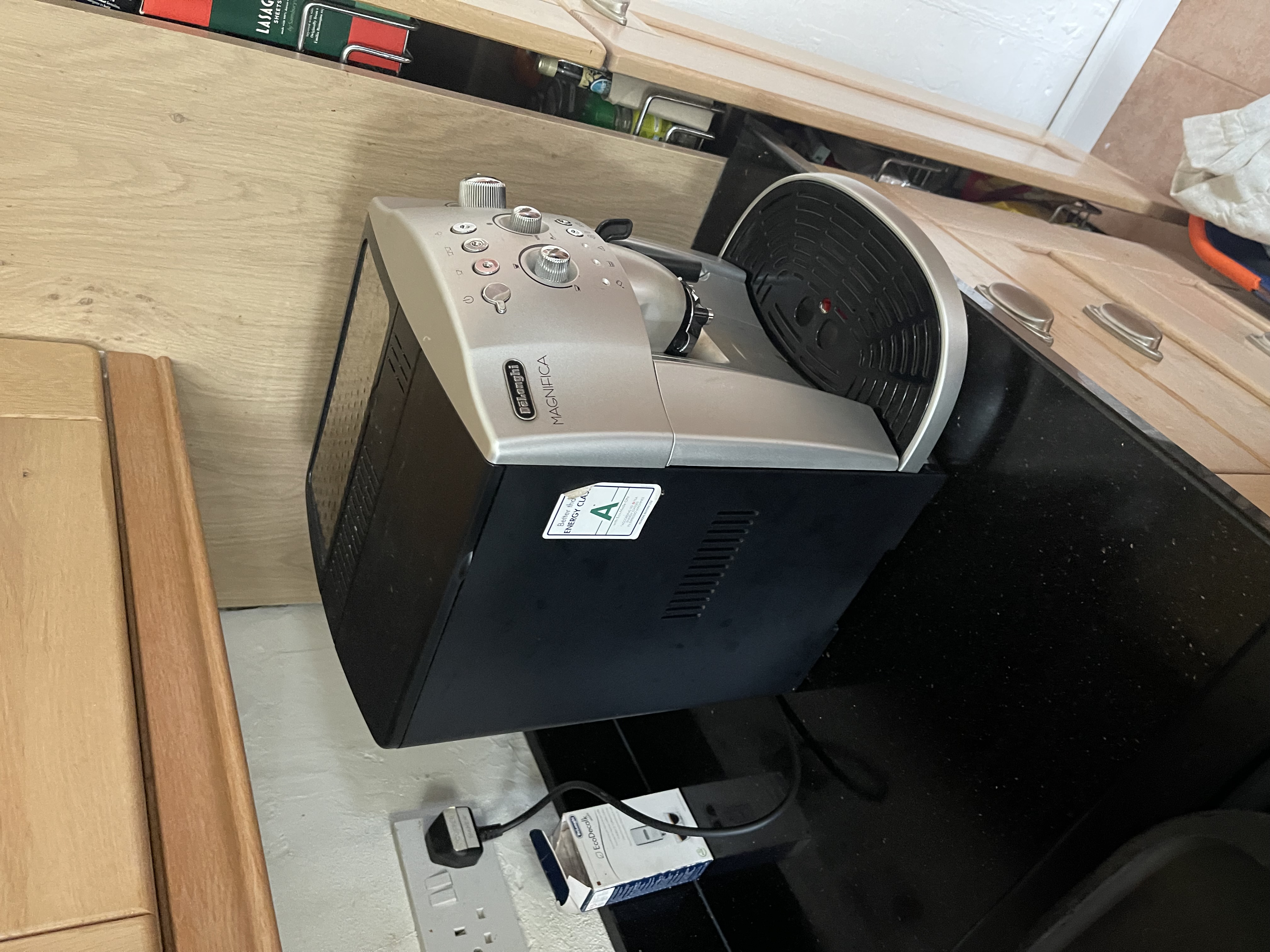
The grinder is the heart of any bean-to-cup coffee machine. When it stops doing its job, you get weak coffee, a machine that whirrs but never delivers, or an alarming grinding noise followed by silence. If your bean to cup coffee machine grinder is not working, the good news is that most causes fall into a handful of familiar categories, and several of them you can tackle yourself before calling anyone out.
Below we walk through what tends to go wrong, how to clear it safely, and the point at which the fault is better left to an engineer.
First, safety and a quick reality check
Before you touch anything inside the machine, switch it off at the wall and unplug it. Grinder burrs are sharp and the motor is powerful, so you never want the machine live while your fingers are anywhere near the grinding chamber. If you want a refresher on doing this properly, our guide on how to safely isolate an appliance before a DIY repair is worth a read.
It also helps to work out what the machine is actually doing:
- Motor runs but no coffee grounds appear. Usually a jam, a blockage or oily beans clogging the burrs.
- No sound at all when it should be grinding. Points more towards a motor, wiring or control fault.
- Loud grating, rattling or crunching. Often a foreign object in the burrs, or worn parts.
That first clue shapes everything you do next.
Jammed burrs
A jam is the most common reason a grinder suddenly refuses to work. Small stones, twigs or dense bits of debris sometimes come mixed in with coffee beans, and even a single stray bean lodged at the wrong angle can stall the mechanism.
How to deal with it:
- Empty the bean hopper completely so no beans can feed into the burrs while you work.
- Remove the upper burr if your model allows it. Many machines have a top burr ring that lifts or twists out once you undo a clip or turn it to an unlock position. Check your handbook for the exact release.
- Look into the grinding chamber with a torch. You are hunting for anything that shouldn't be there.
- Clear any obstruction with a soft brush, a toothpick or a small vacuum. Don't force the burrs round by hand against resistance, as you can chip them.
- Refit everything, making sure the burr seats fully and locks. A burr that isn't seated properly will grind unevenly or not at all.
If clearing the visible debris frees things up, run a small amount of beans through and check the grind is even again.
Foreign objects hiding in the mechanism
Sometimes the culprit isn't obvious. A tiny pebble can wedge below the burr, or a fragment can drop deeper into the machine where a brush won't reach. Signs of a foreign object include a harsh metallic noise, the grinder cutting out under load, or grounds that suddenly look coarse and irregular.
If you have removed the top burr and still can't see or reach the problem, stop there. Going further usually means partially dismantling the grinder unit, and that's where it's easy to damage the calibration or the burr alignment. This is a sensible point to book an engineer rather than risk turning a cheap fix into an expensive one.
Oily beans and blocked burrs
Dark, oily roasts are lovely to drink but tough on a grinder. The oils build up on the burrs and in the grind chute, gradually gumming everything together. Over time you get a sticky residue that slows the grind, blocks the exit path and leaves the motor straining.
To clear and prevent oily-bean blockages:
- Empty the hopper and wipe it out. Oil transfers from the beans to the plastic and then straight back onto fresh beans.
- Brush out the grinding chamber and the chute where the grounds drop through. Dry brushing is best, as water and coffee grounds make a paste.
- Consider using grinder cleaning tablets or granules designed for bean-to-cup machines. You run them through as if they were beans and they lift the oils off the burrs. Always follow the product instructions and your machine's guidance.
- If you regularly drink oily espresso roasts, clean more often and store beans somewhere cool and dry.
A machine that grinds slowly, sounds laboured or produces less coffee than usual is very often just crying out for a proper clean of the burrs and chute.
Worn grinder motor or worn burrs
Burrs don't last forever. As they wear, the grind becomes inconsistent, extraction suffers and the machine works harder to produce the same result. The motor itself can also wear out, especially if the grinder has been fighting jams and blockages for months.
Tell-tale signs of wear rather than a simple blockage:
- The grind is uneven no matter how you set it.
- The motor sounds weak, hums without turning, or trips out mid-grind.
- You have already cleared debris and cleaned thoroughly, yet performance hasn't recovered.
- There's a burning-electrical smell when the grinder tries to run.
Worn burrs can be replaced, and a failed grinder motor can often be swapped out, but both jobs involve accessing and recalibrating the grinding assembly. That's engineer territory. Getting the burr gap and alignment right is what keeps your coffee tasting as it should, so it pays to have it done properly.
A quick fault-finding summary
| What you notice | Likely cause | What to try |
|---|---|---|
| Motor runs, no grounds | Jam, blockage or oily-bean build-up | Empty hopper, clear and clean the burrs and chute |
| Harsh grating or crunching | Foreign object in the burrs | Remove top burr, clear debris; stop if it's out of reach |
| Slow, laboured grinding | Oil clogging the burrs | Deep clean, use grinder cleaning granules |
| Uneven grind that won't improve | Worn burrs | Professional burr replacement |
| No sound, hum, or burning smell | Motor, wiring or control fault | Book an engineer |
Keeping the grinder happy
Most grinder faults are preventable. A little routine care goes a long way:
- Empty and wipe the bean hopper now and then, especially with oily beans.
- Brush out the grinding chamber regularly.
- Buy clean, good-quality beans and avoid anything with visible debris.
- Run cleaning granules through periodically if your machine supports them.
- Don't ignore a change in noise or grind quality. Small problems get bigger.
When to call NAC
If you have cleared the obvious blockages and cleaned the burrs but the grinder still won't work, or if you're hearing that dreaded hum, grinding noise or burning smell, it's time for a trained engineer to look at it. We repair coffee machines of every make, and our engineers are fully trained by us across the appliances we work on.
You'll get a clear service charge quoted before anyone attends, covering all labour, the callout and VAT where it applies. If parts are needed, we'll quote those separately before we carry out any work, and there's no extra labour charge on top. Repairs are backed by a guarantee, with the length depending on the parts fitted and covered under our terms.
Ready to get it sorted? Get in touch to book a repair and we'll take it from there. You can also check the brands we repair and our service areas to see how we can help.
- coffee machine
- bean-to-cup
- grinder
- jammed grinder
- repair
Rather leave it to us?
- Fixed-price quote before any work starts
- Same or next-day visits where available
- UK-wide engineer coverage