












Coffee Machine Making Loud Noises? What It Means
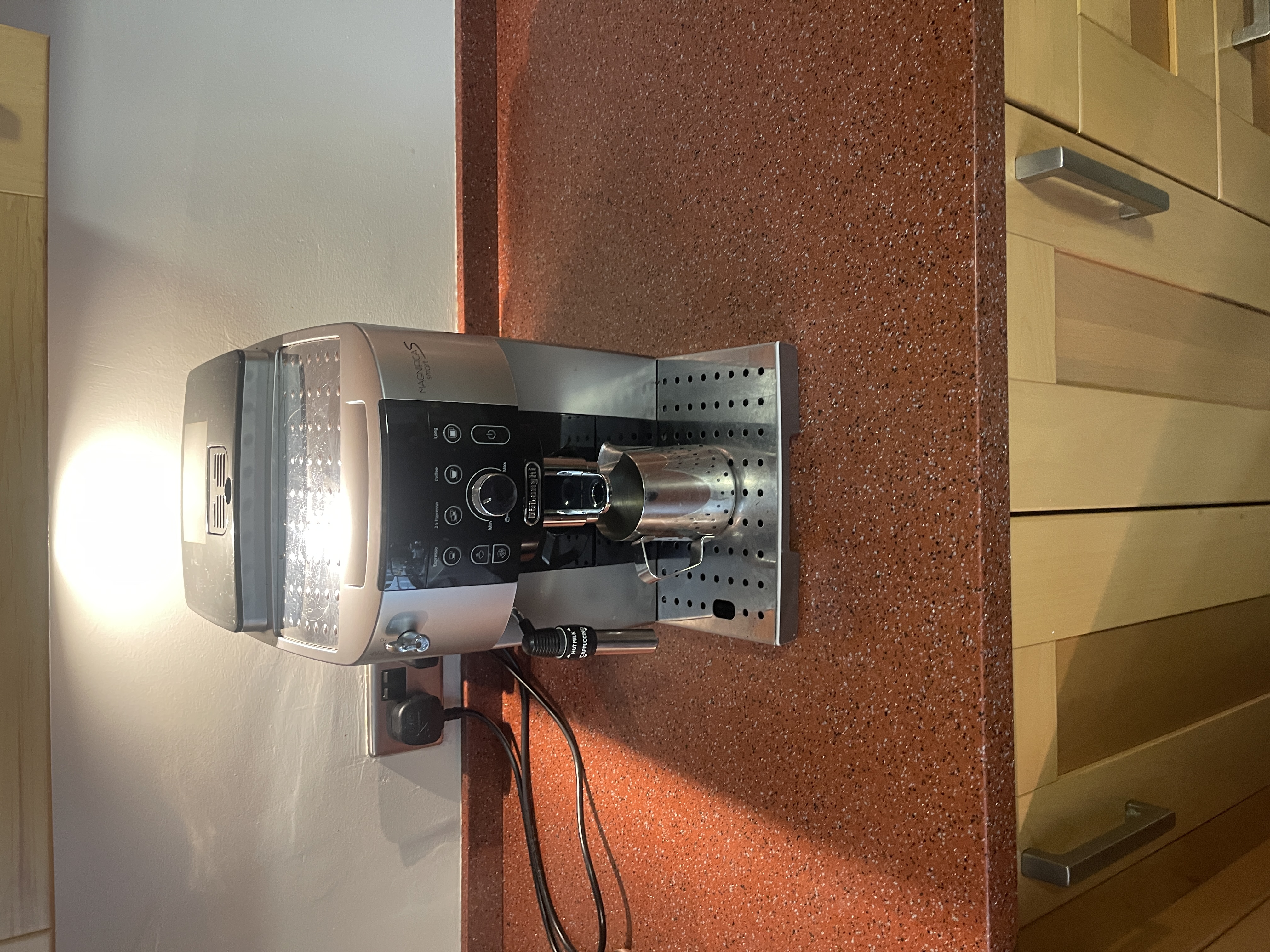
A bit of noise from a coffee machine is completely normal. The pump whirrs, the grinder crunches through beans, and steam hisses when you froth milk. What you want to notice is when the sound changes. A coffee machine making a loud noise that wasn't there last week usually points to something specific, and most of the time it's fixable at home before it turns into a bigger repair.
Below we run through the most common noises, what each one tends to mean, and the steps to sort it out. We've kept it practical so you can work through it in a few minutes.
Match the sound to the fault
Different noises point to different parts. Use this as a quick guide, then read the fuller sections underneath.
| Noise | Likely cause |
|---|---|
| Loud, straining pump with little or no water coming through | Airlock or the pump running dry |
| Rattling or intermittent gurgling | Low water in the tank, or a tank not seated properly |
| Buzzing that gets louder over time | Scale build-up or a tiring pump |
| Harsh grinding or metallic scraping | Foreign object in the grinder, or worn burrs |
| Machine shaking or vibrating across the worktop | Loose panel, uneven feet, or an unbalanced pump |
| Constant loud drone with no coffee or pressure | Failing pump nearing the end of its life |
An airlock in the system
This is the single most common reason a coffee machine suddenly gets noisy. An airlock is a pocket of air trapped in the water line, usually after you've let the tank run dry or refilled it. The pump ends up pushing air instead of water, so it strains, sounds much louder than usual, and little or nothing comes out of the spout.
To clear it:
- Make sure the tank is full and clicked firmly into place. A tank that isn't seated properly lets air in.
- Run the hot water or steam function (without a pod or ground coffee) to draw water through.
- If your machine has a steam wand, open it and let water and air push through until the flow becomes steady.
- Repeat a couple of times. As the air clears, the pump noise should settle back to normal and water should run smoothly again.
Most airlocks clear within a few cycles. If yours doesn't, move on to priming the pump.
Low water or a poorly seated tank
A rattling or gurgling noise, especially near the start of a brew, often just means the water level is low. The pump pulls in a mix of water and air, which makes that uneven, chattering sound.
Top the tank up to the marked line, check the seal and valve at the base are clean, and push the tank home until it clicks. It sounds obvious, but a tank sitting slightly proud is behind a surprising number of noise complaints.
How to prime the pump
If you've cleared any air and refilled the tank but the pump is still loud and struggling, it may need priming. Priming simply means getting water flowing through the pump again so it isn't running dry.
- Switch the machine off and fill the tank with fresh water.
- Switch it back on and run the largest water dispense you can without coffee in the way.
- If the machine has a dedicated prime or self-clean setting, use it.
- Listen as it runs. The pitch should drop and even out as water takes over from air.
Giving the machine a minute to rest between attempts helps, as does descaling if you haven't done it in a while.
Scale build-up making the pump work harder
A buzzing that has crept up gradually, rather than appearing overnight, is often limescale. Scale narrows the internal pipes and the pump has to work harder to push water through, which makes it louder and slower. If you're in a hard water area you'll notice this sooner.
Descale with the product recommended for your machine and run it through as instructed. A regular descaling routine keeps the noise down and protects the pump from wearing out early.
Grinding and scraping noises
If your machine has a built-in grinder and you hear a harsh grind or metallic scrape, stop using it and switch it off first. Two things usually cause this:
- A foreign object in the beans. A small stone or bit of debris can get into the hopper and jam the burrs. Empty the hopper, clear the grinder and check before running it again.
- Worn burrs. After a lot of use the grinding burrs blunt and can start to catch. Worn burrs need replacing to grind cleanly and quietly again.
Never poke around inside a grinder while the machine is powered. Isolate it first, the same as you would with any appliance. Our guide on how to safely isolate an appliance before a DIY repair walks you through it.
Vibration and shaking
Some vibration is part of how the pump works, but if the whole machine is buzzing loudly or walking across the worktop, check the simple things first:
- Make sure all the feet are on the surface and the machine is sitting level.
- Tighten or reseat any loose panels or the drip tray, as loose parts amplify vibration.
- Move the machine slightly away from anything it might be rattling against, like a wall or another appliance.
If it's level and nothing is loose but the vibration is still heavy, the pump itself may be unbalanced or on its way out.
When the pump needs replacing
If you've cleared any airlock, filled the tank, primed the pump and descaled, and it's still droning loudly with weak pressure or no coffee coming through, the pump is probably failing. A tired pump loses the pressure needed to brew properly, so you get plenty of noise and very little in the cup.
Replacing a coffee machine pump isn't a job most people want to take on at home. It means opening the machine, working near the electrics and water lines, and fitting the correct replacement part. This is where it makes sense to get an engineer to look at it, especially if the machine is worth keeping.
Get it fixed properly
If the noise won't go away, or you'd rather not open the machine up, we can help. NAC engineers repair coffee machines across all the major makes, and we'll quote you a service charge before anyone attends. That covers all the labour, the callout and VAT where it applies. If a part like a pump is needed, we'll quote that separately and let you decide before any work goes ahead, with no extra labour charge on top. Repairs come with a guarantee too, with the length depending on the parts fitted and covered under our terms and conditions.
Book a repair or get in touch with our team and we'll get your machine running quietly again. You can also see the brands we repair and check we cover your area.
While you're troubleshooting noisy appliances, you might also find our guide on a freezer making loud noises useful, as the diagnosis approach is much the same: match the sound to the part, rule out the easy fixes, then call in help for the rest.
- coffee machine
- noise
- pump fault
- troubleshooting
- repair
Rather leave it to us?
- Fixed-price quote before any work starts
- Same or next-day visits where available
- UK-wide engineer coverage