












Coffee Machine Won't Turn On? Causes & Fixes
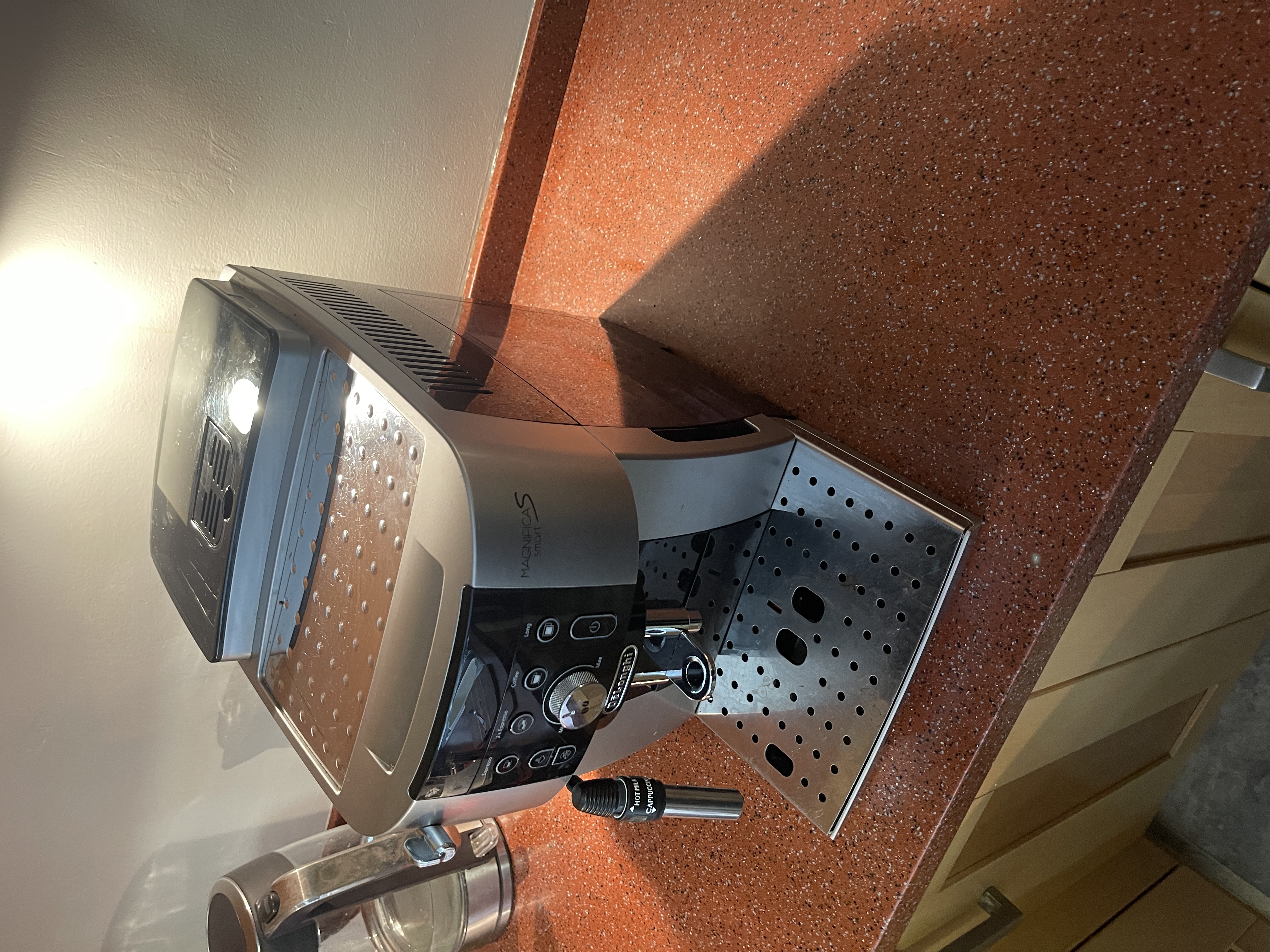
A coffee machine that won't turn on first thing in the morning is a proper start to the day. No lights, no hum, no display, nothing. Before you write it off, it's worth knowing that a dead coffee machine can be caused by anything from a blown plug fuse to an internal safety device doing its job. Some of it you can check yourself in a couple of minutes. The rest needs an engineer.
This guide walks through why a coffee machine is not turning on, the safe checks you can do at home, and the internal faults that call for a professional repair.
Start with the obvious power checks
Most "dead" appliances turn out to have a simple explanation. Work through these before you assume the worst.
- Check the socket has power. Plug something you know works, like a phone charger or a lamp, into the same socket. If that doesn't come on either, the problem is the socket or the circuit, not the machine.
- Look at the plug and switch. Make sure the machine is switched on at the wall and that the plug is pushed fully home. It sounds daft, but a plug that's worked slightly loose is a common culprit.
- Try a different socket. This rules out a single faulty socket and tells you whether the issue follows the machine or stays with the wall.
- Check your consumer unit (fuse board). A tripped breaker or RCD will cut power to a whole circuit. If it has tripped, something may have caused it, so switch off the coffee machine before resetting and see if it trips again when you plug it back in.
If the machine works in a different socket, you've found your answer and it's an electrical problem in the kitchen rather than an appliance fault.
Check the plug fuse
UK plugs contain a small cartridge fuse, and this is one of the most common reasons a coffee machine suddenly goes dead. A power surge or a component fault can blow it.
- Unplug the machine at the wall.
- Open the plug (or the fuse holder in the top of the plug) and remove the fuse.
- Replace it with a new fuse of the correct rating for your appliance. Check the rating printed on the machine or in the manual and match it exactly. Don't fit a higher-rated fuse to force it to work.
- Plug back in and try again.
If a fresh fuse blows straight away, stop. That's a sign of a fault inside the machine drawing too much current, and it needs looking at properly rather than another fuse.
Look for a tripped thermal cut-out
Many coffee machines have a thermal cut-out (sometimes called a thermal fuse or overheat protector). It's a safety device that kills the power if the machine gets too hot, for example if it's been left on for a long time or the boiler has scaled up and can't shed heat properly.
Some cut-outs reset themselves once the machine cools down, so if your machine died after a long session, unplug it and leave it for an hour or two, then try again. Others are one-shot devices that stay open once they've tripped and need replacing. If your machine has furred up with limescale, that extra heat load can be what pushed the cut-out over the edge, so descaling regularly is worth doing to prevent a repeat.
Diagnosing and replacing a thermal cut-out means opening the machine and testing components, which is engineer territory.
When it's an internal fault
If the socket, plug fuse and a cool-down period have all been ruled out and the machine is still dead, the fault is almost certainly inside. Common internal causes include:
- Failed power board or control board. The board that manages power distribution and the display can fail, leaving the machine unresponsive with no lights at all.
- A faulty on/off switch. Switches wear out with daily use. A switch that no longer makes contact will leave the machine looking completely dead even though everything else is fine.
- Broken internal wiring or a loose connection. Vibration and heat over the years can loosen or break connectors inside the machine.
- A blown thermal cut-out that won't reset. As above, this stops power reaching the rest of the machine.
These repairs involve mains voltage and, in the case of pump-fed machines, water sitting close to live components. They aren't safe to poke around in without the right training and testing equipment.
Safe DIY versus calling an engineer
Stick to the outside of the machine and you'll be fine. Checking the socket, the plug, the fuse and giving the machine time to cool down are all sensible things to try yourself.
Once you'd need to open the casing, leave it to a professional. If you do any work near an appliance, always unplug it first. Our guide on how to safely isolate an appliance before a DIY repair explains the basics. And if a new fuse blows immediately, or the machine trips your RCD, don't keep trying, get it looked at.
Get your coffee machine repaired
If you've been through the checks above and your coffee machine still won't turn on, the fault is internal and needs a trained engineer. Our engineers repair every make and model, and we quote a clear service charge before anyone attends, covering all labour, callout and VAT where it applies. If parts are needed we'll quote those separately before we carry out any work, and repairs come with a guarantee under our terms and conditions.
Book a repair or get in touch with NAC and we'll get your machine, and your morning routine, back to normal. You can also see the brands we repair and the service areas we cover.
- coffee machine
- power fault
- no power
- troubleshooting
- repair
Rather leave it to us?
- Fixed-price quote before any work starts
- Same or next-day visits where available
- UK-wide engineer coverage