











Why Your Coffee Machine Isn't Heating Properly
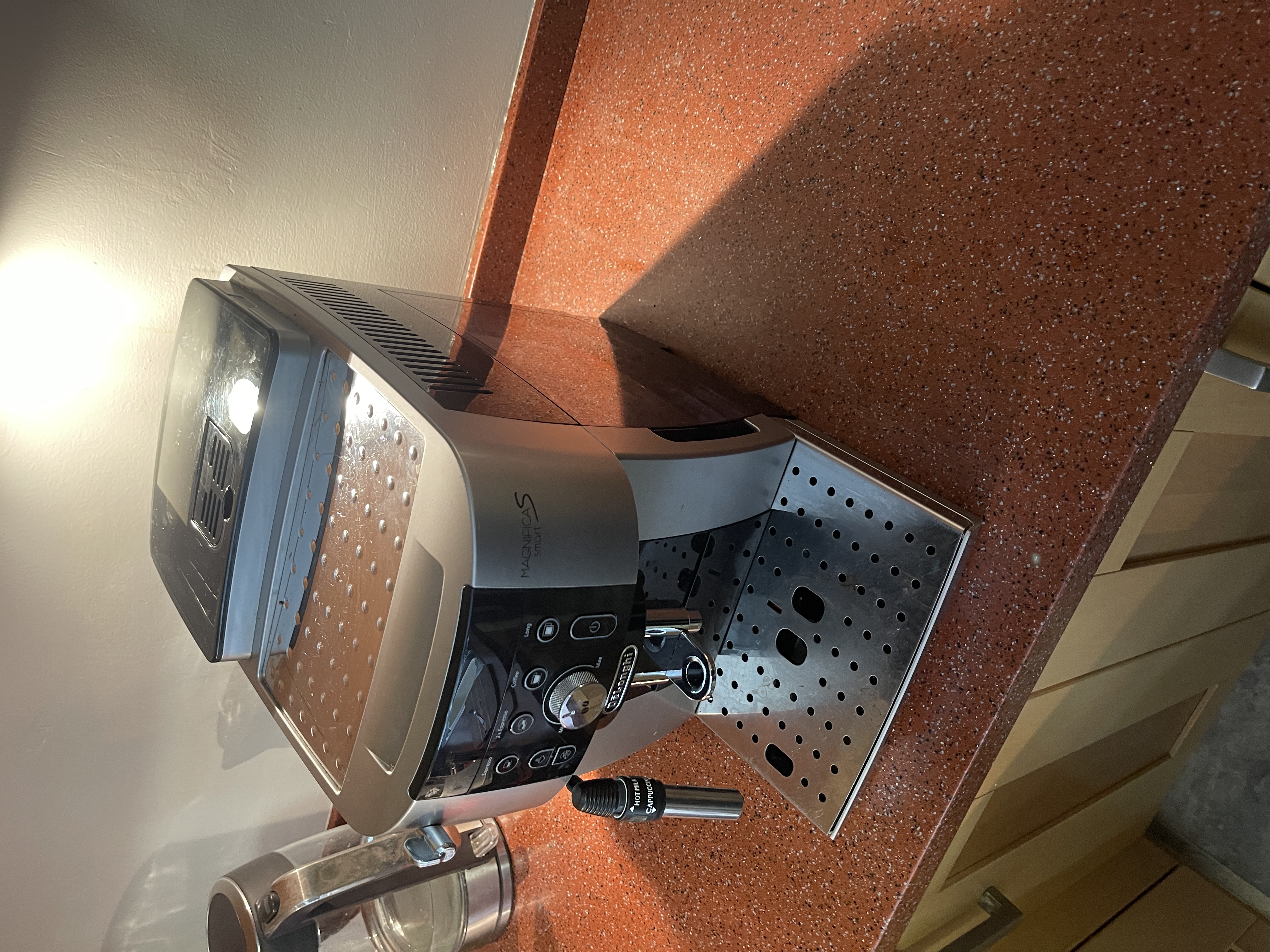
There are few things more disappointing than pressing the button on your machine and getting a tepid, watery espresso instead of a proper hot cup. If your coffee machine is not heating the way it used to, the problem almost always sits with one of the parts that turns electricity into heat, or with the limescale that quietly builds up around them.
Below we explain how coffee machines actually heat water, the usual reasons the heat disappears, what you can safely check yourself, and when it makes sense to have an engineer put it right.
How your coffee machine heats the water
Water has to reach the right temperature very quickly for good coffee, ideally somewhere close to 90 to 96 degrees at the group head. Machines get there in one of two ways.
- Boiler machines hold a reservoir of water and heat it with an immersed heating element, much like a kettle. A thermostat or temperature sensor tells the element when to switch on and off.
- Thermoblock (and thermocoil) machines don't store hot water. Instead, cold water is pumped through a heated metal block that flash-heats it on the way to the coffee. These are common in domestic bean-to-cup and pod machines because they warm up fast.
Whichever type you own, the heat comes from a heating element, the temperature is controlled by a thermostat or sensor, and a safety cut-out (thermal fuse) is there to stop the machine overheating. When your coffee comes out cold or lukewarm, the fault is usually in that chain.
Common reasons a coffee machine isn't heating
Limescale build-up
This is the single most common cause, especially in hard water areas. Limescale is a poor conductor of heat, so as it coats the inside of the boiler or thermoblock it forms an insulating layer between the element and the water. The element still works, but far less of its heat reaches the water. You often notice the coffee getting gradually cooler over weeks or months, along with slower flow and a noisier pump.
A failed heating element or thermoblock
Heating elements do burn out. If the element or the heating coil inside a thermoblock has gone open circuit, no heat is produced at all and the water stays cold. On thermoblock machines, scale and repeated thermal stress can also crack or block the block itself, which usually means replacing that part.
A faulty thermostat or temperature sensor
The thermostat decides when to heat. If it fails or reads the temperature incorrectly, the machine may never switch the element on, or it may cut the heat far too early and leave you with warm rather than hot coffee.
A tripped thermal cut-out
Most machines have a one-time thermal fuse or a resettable safety cut-out that protects against overheating, often triggered when scale has caused the machine to run too hot. Once it trips, you get no heating until the cause is dealt with and the part is reset or replaced.
Wiring, control board or switch faults
Loose connections, a burnt terminal near the hot element, a faulty on/off switch or a fault on the control board can all interrupt power to the heating circuit. These are harder to spot from the outside but are a genuine cause of a machine that pumps water but never heats it.
What you can safely check yourself
Before anything else, unplug the machine and let it cool. If you want to work through the basics, our guide on how to safely isolate an appliance before a DIY repair is worth a read.
- Descale it. If you can't remember the last time you did, this is your first move. Run the machine's own descaling programme, or use a descaler suitable for coffee machines, following the maker's instructions. In hard water areas you may need to do this every few weeks. A thorough descale often brings the temperature straight back.
- Check you're not confusing cool coffee with a cold cup. A cold cup and cold milk can knock the temperature of a small espresso down noticeably. Warm the cup first and see if it's really the machine.
- Give it time to warm up. Some machines need a minute or two to reach temperature before the first shot. Pulling coffee too soon gives a cooler result.
- Look for a descale or warning light. Many machines flag when they need attention, and will limit heating until you clear it.
If you've descaled properly and the coffee is still cold or lukewarm, the fault is very likely electrical or mechanical, and that's where it's worth stopping.
Why heating repairs are best left to an engineer
Coffee machines combine mains electricity, water and high pressure in a small, tightly packed housing. Testing a heating element, thermostat or thermal cut-out means taking the casing apart and working around live components and hot surfaces. It's easy to disturb a seal, misread a fault or leave a connection that later overheats.
An engineer can test the element, thermostat, sensor and thermal cut-out to find exactly which part has failed, rather than replacing things on a guess. On a thermoblock machine they can also tell whether the block is simply scaled up or genuinely failed, which makes a real difference to whether a repair is worthwhile.
Get your coffee machine heating again
If your coffee machine is not heating and a proper descale hasn't fixed it, let NAC take a look. Our engineers are trained across all the major makes and can diagnose the heating element, thermoblock, thermostat and safety cut-out, then fit the parts needed to get your coffee hot again.
We'll quote a service charge before an engineer attends, covering all labour, the callout and VAT where it applies. The only extra is for any parts your machine needs, and we'll quote those separately for your approval before we carry out the work. Every repair comes with a guarantee, with the length depending on the parts fitted and covered under our terms and conditions.
Book a repair or contact NAC and we'll get your morning coffee back to how it should be. You can also see the full list of brands we repair if you want to check yours first.
- coffee machine
- heating fault
- lukewarm coffee
- thermoblock
- repair
Rather leave it to us?
- Fixed-price quote before any work starts
- Same or next-day visits where available
- UK-wide engineer coverage