












How to Remove a Bra Wire Stuck in a Washing Machine
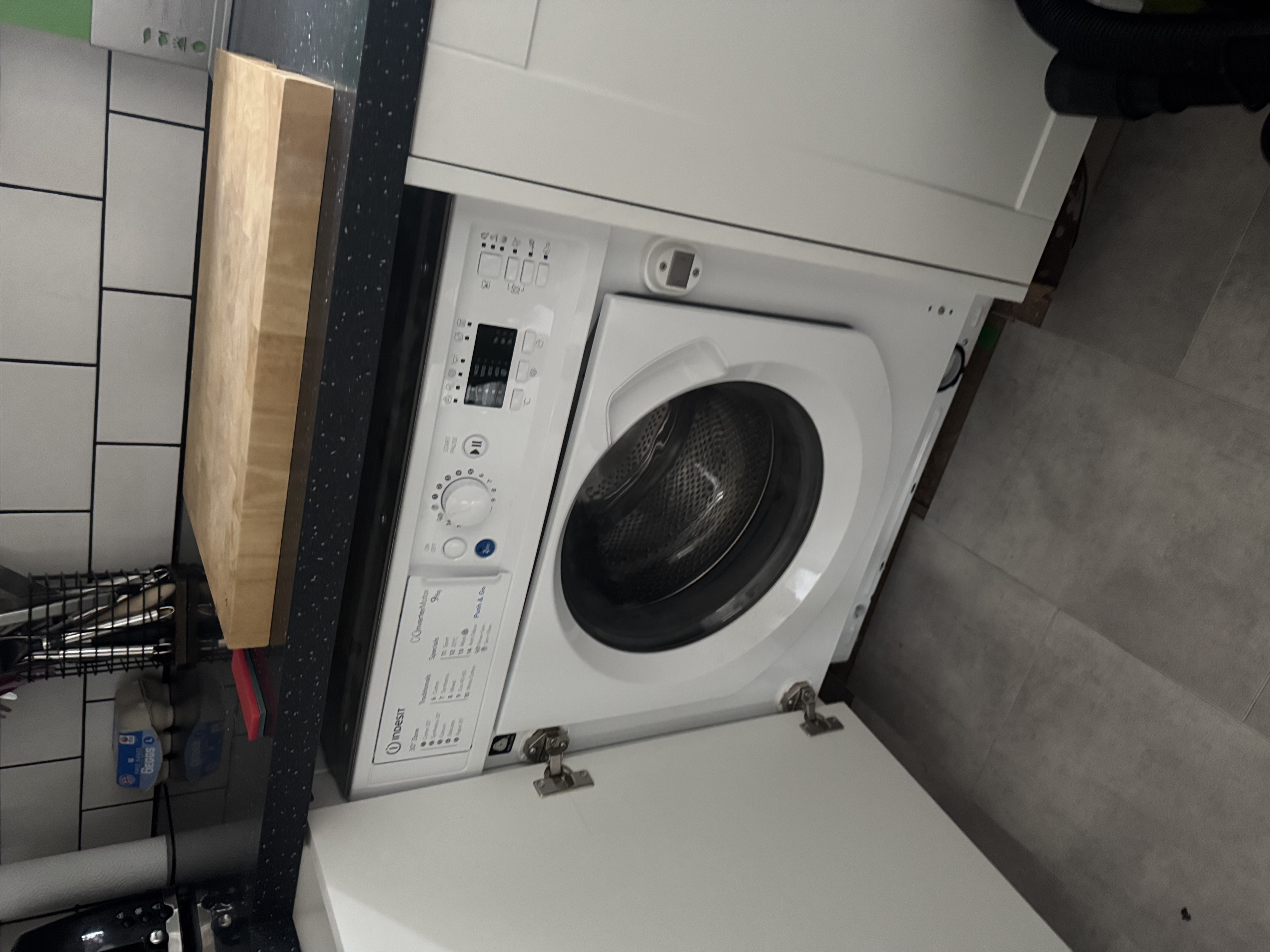
If you've started hearing a horrible scraping or tinkling sound during the spin cycle, there's a good chance you've got a bra wire stuck in your washing machine. It's one of the most common things our engineers find, and it usually announces itself with a metallic rattle that gets louder as the drum speeds up.
The good news is that a stray underwire is often something you can sort out yourself. The not-so-good news is that if it works its way into the wrong place, it can scratch the drum, pierce the rubber door seal or jam the pump. So it's worth dealing with sooner rather than later.
How does a bra wire escape into the drum?
Underwires are thin, springy strips of metal sewn into a fabric channel. Over time, and after plenty of hot washes, that stitching weakens. One end of the wire pokes through, and once it's free it slides out of the bra completely.
From there, the wire gets thrown around the inside of the drum. Modern drums have hundreds of small perforations to let water drain through, and a slim wire can slip partway into one of these holes. That's when you start hearing it: the wire is half in, half out, scraping against the outer tub as the drum turns.
Washing bras inside a mesh laundry bag is the simplest way to stop this happening again, so it's a habit worth picking up once you've cleared the current one.
Spotting the wire inside the drum
Before you do anything, switch the machine off at the wall. Don't just rely on the programme finishing.
Now have a proper look:
- Reach inside and slowly rotate the drum by hand, a few centimetres at a time.
- Run your fingertips lightly over the perforations. A wire that's poked through might only show a millimetre or two of metal, so you're often feeling for it as much as looking.
- Use a torch and check around the drum holes, the gap between the drum and the door, and the lower edge of the rubber seal.
- Look right around the folds of the door gasket where small items love to hide.
A wire trapped in a drum hole will usually have one end poking into the drum and the other end sitting behind it in the gap you can't easily reach.
Getting it out safely
Once you've found the end, here's the careful way to retrieve it.
- Grip the visible end with a pair of long-nose pliers.
- Wiggle it gently rather than yanking. The wire went in at an angle, so it'll come out best the same way.
- If it won't budge from inside, the other end may be stuck behind the drum. Stop pulling, because forcing it can scratch the drum surface.
- When it's free, run your finger over the hole to check the metal hasn't left a sharp burr that could snag clothes later.
If the wire snaps and leaves a piece behind the drum, you'll usually need the appliance opened up to retrieve it, which is a job for an engineer.
Check the pump filter too
Even after you've pulled the wire from the drum, it's worth checking whether a second one (or a broken-off piece) has dropped down into the bottom of the machine. The filter, sometimes called the pump filter or trap, is the catch-all for small objects.
- Find the small access flap at the bottom front of the machine.
- Put a shallow tray and some towels down first, as water will come out.
- Unscrew the filter slowly and let it drain.
- Pull it out and feel inside the housing for any wire, coins or hair grips.
If you find a wire wedged in or near the pump, removing it now can save you a much bigger repair. A bit of metal that reaches the pump impeller can stop it draining altogether.
When it's working into the seal
The trickiest situation is a wire that's burrowed into the rubber door seal. You might see a tiny dimple or a pinhole in the gasket, or notice a small leak from the door during a wash.
A pierced seal won't fix itself. If the rubber is damaged, the seal usually needs replacing to stop water escaping, and that involves removing the retaining clamp and refitting a new gasket correctly so it doesn't leak. This is fiddly, and a poorly seated seal will let water out, so it's the point where most people are better off calling in help.
When to call an engineer
Try the drum and the filter yourself by all means. It's sensible to bring in a professional when:
- The wire has snapped and part of it is stuck behind the drum.
- You can hear something loose but can't see or reach it.
- The door seal is nicked, holed or leaking.
- The machine isn't draining properly after you've cleared the filter.
- There's a grinding noise that carries on even with nothing visible.
A wire that's been rattling around for a while can damage the drum bearings or block the drain, so don't keep running the machine in the hope it'll clear on its own.
Our engineers repair all the major makes, and we'll quote you a service charge before anyone comes out. That charge covers the callout, all the labour and VAT where it applies. If a part such as a new door seal is needed, we'll quote that separately and check with you first, and there's no extra labour charge on top. Repairs are covered by a guarantee, the length of which depends on the parts fitted and is set out in our terms and conditions.
You can book a repair or get in touch here, and you can see the brands we work on if you want to check yours is covered. If you'd like to know more about how we work, our code of practice explains it.
The quick version
Switch off at the wall, rotate the drum by hand and feel for a poking wire, ease it out with long-nose pliers, then check the pump filter for anything that's dropped down. If the wire has snapped off, the seal is pierced or the machine won't drain, that's the moment to let us take a look. Wash your bras in a mesh bag from now on and you'll likely never hear that scrape again.
- washing machine
- bra underwire
- scraping noise
- diy repair
Rather leave it to us?
- Fixed-price quote before any work starts
- Same or next-day visits where available
- UK-wide engineer coverage