












What to Do If Coins or Keys Are Stuck in Your Washer
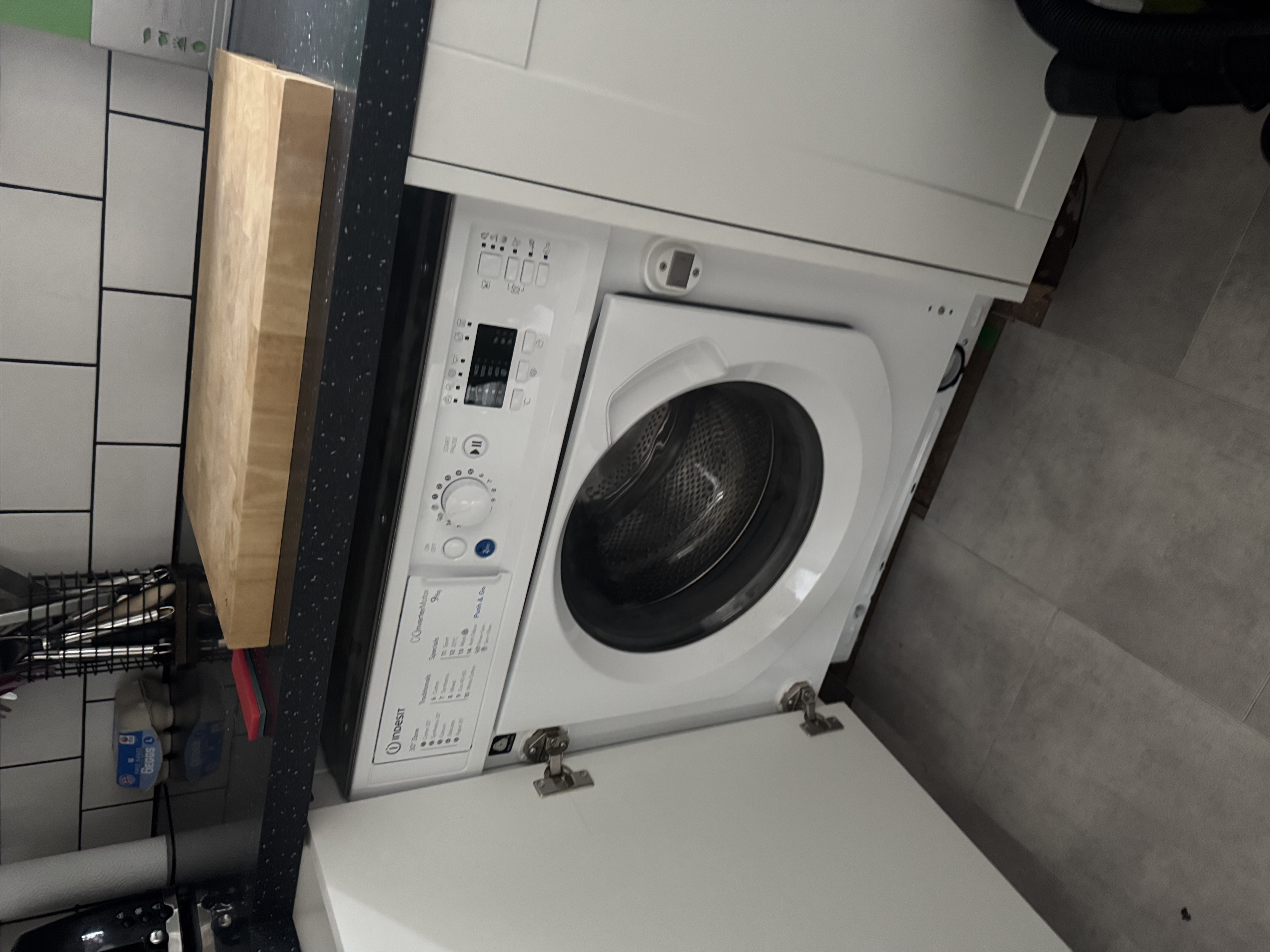
It happens to nearly everyone at some point. You unload the washing, hear a faint rattle in the machine and realise a couple of coins, a key or a stray hairpin slipped out of a pocket mid-cycle. The worry that follows is fair enough: can a small bit of metal really do any harm? The short answer is yes, it can, and knowing what to do next can save you from a much bigger repair bill.
This guide explains why coins stuck in a washing machine drum are worth taking seriously, how those objects move around inside the machine, and the safe steps to get them out before any lasting damage is done.
Why coins and keys are more of a problem than they look
Modern washing machines almost all use a plastic outer drum. The stainless steel drum you can see when you open the door is the inner drum, the part that spins your clothes. Behind it sits the outer tub, which holds the water, and on many machines this is moulded plastic rather than metal.
During a spin cycle the inner drum can reach very high speeds. Anything loose inside is thrown about with real force. A coin on its own might just clatter around harmlessly, but a hard, thin-edged object spinning at speed against a plastic tub can score, crack or even puncture it. Keys are worse, because they have sharp ends and weight behind them.
The smaller items are the sneaky ones. Coins, hairgrips, screws and underwire from bras are exactly the right size to slip through the holes in the inner drum and drop into the space between the two drums. Once they're down there, you can't see or feel them, but they're still being flung around every time the machine runs.
Where the metal usually ends up
When something escapes the inner drum, it tends to travel to one of a few places:
- Between the inner and outer drum, where it rattles during spin and can rub against the plastic tub or the drum seal.
- The sump hose, the wide pipe at the bottom that carries water down towards the pump. Coins love to settle here.
- The pump filter, sometimes called the drain filter, which is designed to catch buttons, coins and similar debris before they reach the pump itself.
- The heating element, on some machines, where a sharp object can knock against the metal and, in the worst cases, damage the coating.
If you hear a rattle only during the spin, that points to something trapped between the drums or in the sump area. A persistent grinding or scraping is a stronger warning sign that the object is making contact with something it shouldn't.
Stop using the machine straight away
This is the single most important thing. If you suspect a coin, key or any hard object has gone missing inside the washer, don't run another cycle to "flush it out". Every spin gives the object more chances to crack the tub, chew up the drum seal or scratch the element.
A cracked outer drum is one of the more expensive faults on a washing machine, partly because of the part and partly because of the work involved in reaching it. It's far cheaper to retrieve a loose coin early than to deal with the leak or bearing damage that can follow if it's left to rattle around for weeks.
Switch the machine off at the wall before you start checking anything.
How to safely retrieve a loose object
For anything you can actually reach, a few simple checks are worth doing yourself.
1. Feel around the inner drum
With the power off, reach in and slowly rotate the drum by hand. Press gently on the rubber door seal and fold it back where you can, because small coins often hide in the folds of the gasket. A torch helps here. If you can see and grip the object, lift it out.
2. Check the pump filter
Most front loaders have a filter behind a small flap at the bottom front of the machine. Before you open it, lay down towels and have a shallow tray ready, as water will come out.
- Unscrew the filter slowly and let the water drain.
- Pull the filter out fully and look inside the housing.
- Coins, buttons and small keys are very often sitting right here.
Clear anything you find, then check the filter spins freely before screwing it back in firmly. A loose filter will leak.
3. Listen before you commit
If the filter and seal are clear but you can still hear a rattle when you turn the drum by hand, the object is most likely trapped deeper, between the drums or in the sump hose. This is where home checks reach their limit.
When to call in an engineer
Getting at the sump hose or the space between the drums means removing panels and, in many cases, partially dismantling the machine. It isn't something to attempt without the right knowledge, and doing it badly can cause leaks or wiring problems that weren't there before.
If you can hear a hard object moving but can't reach it, the sensible move is to have it removed professionally before it cracks the tub. An engineer can locate the object, take the machine apart safely and check whether the drum seal, element or bearings have already been knocked about. Catching it at this stage usually means a straightforward fix rather than a major one.
It's also worth a professional look if you've noticed any of these alongside the rattle:
- Water pooling under the machine, which can point to a damaged tub or seal.
- A burning smell or the machine tripping the electrics, which can suggest element damage.
- Loud knocking that's got worse over time, which may mean the bearings have taken a hit.
Our engineers are trained across all the major makes and appliances, so whatever brand you own, the object can be located and removed safely. You can see the brands we repair and the full list of services we cover.
A few habits that prevent it happening again
None of this is about blame, pockets are easy to forget, but a couple of small routines make a real difference:
- Check trouser and coat pockets before loading, especially kids' clothes and work trousers.
- Use a mesh wash bag for delicates and anything with underwire or small fastenings.
- Empty change and keys into a dish by the machine as you sort the laundry.
Get it sorted before it costs you more
A loose coin you can fish out of the filter is no drama. A key grinding against a plastic drum for a fortnight is a different story. If you've heard something rattling and you can't reach it, the safest thing is to stop using the machine and have it checked.
NAC can help with that. Book a repair or get in touch and we'll quote you a clear service charge before an engineer attends, covering all labour, callout and VAT where it applies. If any parts are needed, we'll quote those separately and explain everything before doing the work. Repairs come with a guarantee under our terms and conditions, so you'll know exactly where you stand.
- washing machine
- coins
- drum damage
- appliance safety
Rather leave it to us?
- Fixed-price quote before any work starts
- Same or next-day visits where available
- UK-wide engineer coverage