











How to Clean Cooker Hood Metal Grease Filters at Home
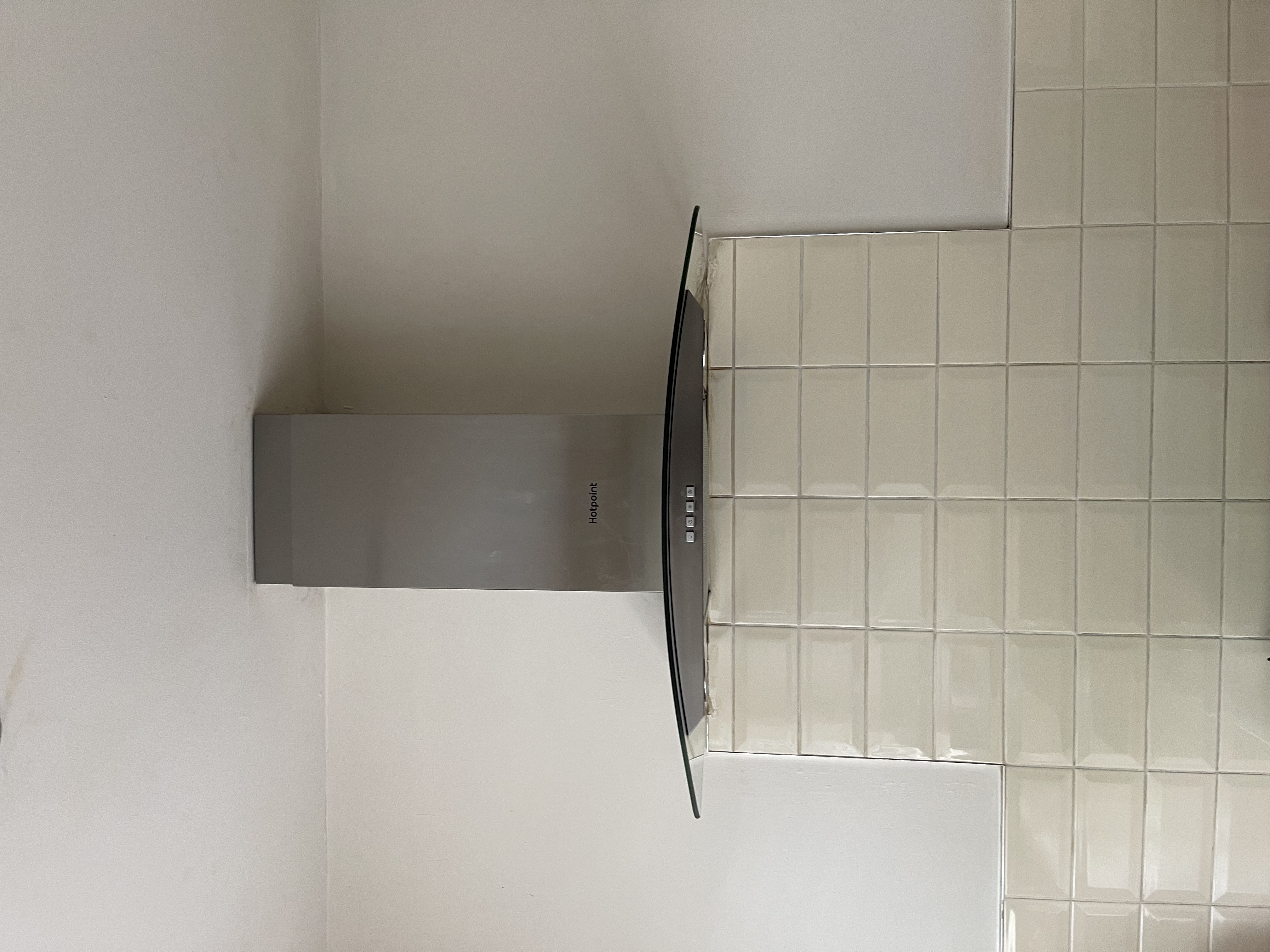
If your extractor seems louder than it used to be, or it just isn't pulling steam and cooking smells away like it once did, the filters are usually the first thing to check. The good news is that learning how to clean cooker hood filters is straightforward, and on most models you can do it in a few minutes without any tools.
This guide walks you through removing the metal gauze grease filters, cleaning them, and refitting them. We'll also cover the carbon filter and the older paper gauze type, plus how to change the lightbulb while you're at it.
What's inside a typical cooker hood
Most extractors and cooker hoods have two or three metal gauze filters across the underside. These trap grease and grime from the air as the fan draws it up and out. Behind or above those, depending on the design, you may also find a carbon filter on the motor section.
Here's how the different filter types compare:
| Filter type | What it does | Can you clean it? |
|---|---|---|
| Metal gauze (mesh) | Traps grease from cooking. Usually two or three across the hood. | Yes. Stainless steel mesh comes up extremely well in a dishwasher. |
| Carbon filter | Sits on the motor section and helps with odours. Not fitted to every hood. | No. It cannot be cleaned. Replace it once saturated. |
| Paper gauze | Found on older hoods, often between two halves of a removable panel. | No, but it's cheap to replace and can be cut to size from a large sheet. |
Why greasy filters are worth dealing with
Grease that builds up on the mesh does two things. It slows the airflow, so the extractor works harder and clears the kitchen more slowly. And a thick layer of cooking fat sitting directly above a hob is never ideal from a safety point of view. Keeping the filters clean helps the hood do its job and keeps that build-up to a minimum. A regular clean as part of your kitchen routine is far easier than tackling months of baked-on grease in one go.
Signs it's time to take the filters out and clean them include the extractor feeling weak, taking longer to clear steam, or simply looking and feeling tacky to the touch when you run a finger across the mesh.
Step 1: Remove and clean the metal gauze filters
The metal mesh filters are held in place with sprung-loaded catches, so they're designed to come out by hand.
- Push down on the sprung-loaded catch on either side of the filter to release the tabs.
- The filter will drop down into your hand, so support it as it releases.
- Repeat for each filter. There are usually two or three.
- Clean stainless steel mesh filters in the dishwasher. They come up extremely well on a normal cycle and any grease lifts away without scrubbing.
A handy point to remember: the filters don't have to go back in the same order or position. They all fit into different slots, so there's no need to label them or worry about which one came from where.
If a filter is damaged, badly deformed or the mesh has gone, it's better to replace it rather than refit it.
Step 2: Check the carbon filter on the motor section
Not every cooker hood has a carbon filter, so don't worry if you can't find one. Where one is fitted, it sits on the motor section of the hood.
- To remove it, turn it roughly a quarter turn and it will pop out.
- Carbon filters can't be cleaned or maintained. Once they're saturated, the only fix is to fit a new one.
- A saturated carbon filter doesn't just affect odours. It can cause problems for the motor itself, so it's worth keeping on top of.
If your extractor isn't working efficiently and the metal filters are clean, a saturated carbon filter is a likely culprit. Check it and replace it if needed.
On older hoods, the removable panels are often made in two halves with a paper gauze filter sandwiched in between. These get saturated over time and are easy to swap out. You can buy paper gauze in large sheets and simply cut it to the size you need.
Step 3: Refit the filters
Once everything is clean and dry, push each metal gauze filter back up into position until the sprung catches click and hold. Refit the carbon or paper filter if your hood has one. Because the metal filters all fit different positions, you can put them back in any order.
While you're there: changing the lightbulb
A lot of cooker hoods have a light over the hob, and if it's blown it's an easy job. The method for changing a cooker hood bulb is the same as changing one in a fridge or a cooker. If you'd like to see it done, our step-by-step guides are a good reference:
- How to Change a Fridge Light Bulb Safely at Home
- How to Change an Oven Light Bulb: Easy Step-by-Step Guide
If you ever take an electrical appliance apart for a repair rather than a simple clean, read how to safely isolate an appliance first.
When to call in an engineer
Cleaning the filters fixes most weak-extraction complaints. But if you've cleaned the metal filters, replaced a saturated carbon filter, and the hood still isn't clearing the air, the fault may lie with the motor or the wiring rather than the filters.
That's where we come in. NAC engineers repair cooker hoods and extractors of any make. We quote a service charge before an engineer attends, and that covers all the labour, the callout and VAT where it applies. If any parts are needed, we'll quote those separately and get your go-ahead before doing the work, with no extra labour charge on top. Every repair comes with a guarantee, the length of which depends on the parts fitted and is set out in our terms and conditions.
You can book a repair or get in touch here, and take a look at the brands we repair if you want to check we cover your appliance. Sorting a struggling extractor sooner rather than later keeps your kitchen clearer and your hood running as it should.
- cooker hood
- grease filter
- cleaning
- maintenance
Rather leave it to us?
- Fixed-price quote before any work starts
- Same or next-day visits where available
- UK-wide engineer coverage